

OR Portland
Alameda
Alameda is a premium Northeast Portland neighborhood on the glacial Alameda Ridge, known for its 1910 to 1930 Arts & Crafts, Tudor, and Colonial Revival architecture on 5,000 to 8,000 square foot lots. The neighborhood wraps around a walkable NE Fremont commercial corridor (Alameda Cafe, Beaumont Market, Garden Fever) and sits between Wilshire Park and Grant Park. Ridge-edge blocks offer territorial views, and downtown commutes run 12 to 18 minutes via I-5 or NE Broadway.





Living in Alameda
A premium Northeast Portland neighborhood on the Alameda Ridge with 1910 to 1930 Arts & Crafts homes, a walkable NE Fremont commercial spine, and some of the best-preserved architecture in the city.
Updated April 2026 by Joe SalingWhat Alameda Is Really Like
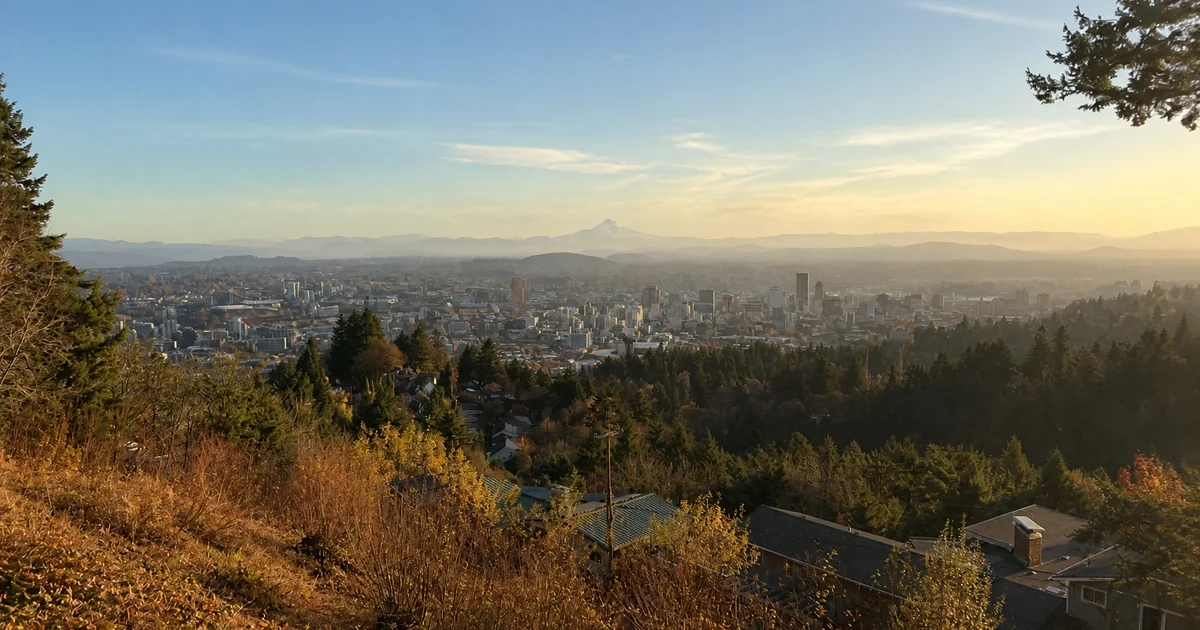
Alameda sits on a prominent ridge in Northeast Portland, bounded roughly by NE Fremont to the north, NE 33rd Avenue to the east, the Alameda Ridge bluff to the south, and NE 20th to the west. The neighborhood's defining geography is the ridge itself, a glacial flood feature from the Missoula Floods that gives the south-facing blocks territorial views of downtown and the West Hills. Alameda was platted as a streetcar-era garden suburb between roughly 1909 and 1911, and the original design still shows in the curving streets, mature oak and maple canopy, and the rhythm of Arts & Crafts and Tudor-era architecture that defines the interior.
A weekday morning in Alameda sounds like the tick of sprinklers on mature lawns, kids walking to Alameda Elementary, and the low hum of NE Fremont picking up. By mid-morning the Fremont commercial strip is busy with coffee at Alameda Cafe, pastries at Beaumont Market (just over the line), and parents pushing strollers between Garden Fever and the small boutiques along the corridor. Weekend rhythms shift toward Wilshire Park on the north side and Grant Park to the south, both within a short walk or bike for most Alameda blocks.
On residential blocks you will see gardeners tending the extensive ornamental plantings the neighborhood is known for, homeowners maintaining original tile roofs and leaded-glass windows, and runners looping the ridge road. The Alameda neighborhood association runs an active home and garden tour, and the canopy and street-tree program is one of the more formalized in Portland. Many blocks have historic character that has been consistently maintained for over a century.
Looking for broader context on the area? Read my full Northeast Portland relocation guide for how Alameda fits into the wider district.
Homes and Architecture in Alameda
Alameda has one of the most consistent pre-war housing stocks in Portland. The bulk of homes were built between 1910 and 1930 on 5,000 to 8,000 square foot lots, with a heavy representation of Arts & Crafts bungalows, English Tudor and Cotswold-style homes, Colonial Revivals, Mediterranean-influenced homes, and a meaningful number of architect-designed Craftsman foursquares. The ridge-edge blocks along NE Alameda Street command premium pricing for their views, while the interior blocks hold some of the most architecturally significant early-20th-century residential architecture in the city. Newer infill is rare and heavily scrutinized by the neighborhood when it does appear.
When you shop in Alameda, expect most listings to show extensive original features maintained alongside thoughtful updates. Leaded-glass windows, original tile roofs, hardwood floors, plaster walls with picture rails, and built-in cabinetry are typical. Competitive dynamics are consistently strong; well-presented homes on the interior blocks and ridge-edge homes with views regularly draw multiple offers. Homes needing significant work are rare and still tend to transact at high per-square-foot numbers because of the land value. Watch for older cast-iron sewer laterals under the mature canopy (root intrusion is common), original slate or clay tile roofs near end-of-life, and oil tank decommissioning on pre-1950 homes. Inspection expectations run higher here than almost anywhere else in Northeast.
- Arts & Crafts bungalows
- English Tudor & Cotswold
- Colonial Revival
- 5,000 to 8,000 sq ft lots
- Premium for Northeast
Dining, Parks, and Daily Life
Alameda Cafe
The neighborhood's anchor breakfast and lunch spot on NE Fremont, with housemade pastries, strong coffee, and a loyal weekend crowd. Combined with Beaumont Market's cafe just over the Beaumont-Wilshire line, this stretch of Fremont is where most Alameda residents start their Saturdays.
Beaumont Market & NE Fremont Restaurants
Beaumont Market sits at NE Fremont and 41st, a classic small-format grocery with a deli, beer selection, and butcher counter. The surrounding blocks of NE Fremont hold a rotating mix of neighborhood restaurants (Flying Pie Pizzeria, Beaumont Village staples), making the corridor the daily social hub for Alameda and Beaumont-Wilshire combined.
Garden Fever
A beloved neighborhood nursery on NE Fremont that reflects the neighborhood's strong ornamental gardening culture. Between Garden Fever, the annual Alameda Garden Tour, and the depth of the canopy, plant culture is more developed here than in most Portland neighborhoods.
Wilshire Park & Grant Park
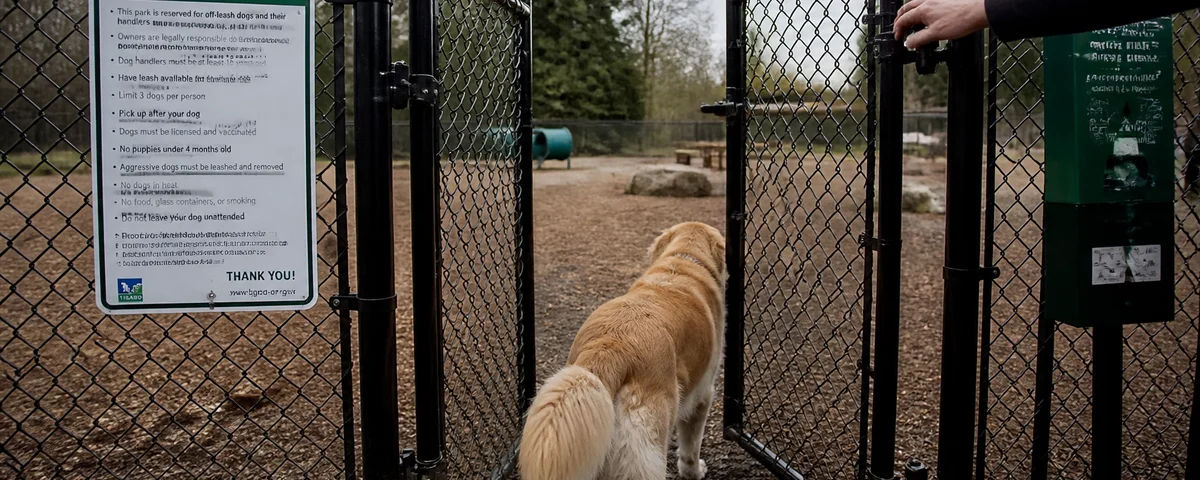
Wilshire Park (14.6 acres) sits on the north edge with tennis courts, a baseball diamond, and an off-leash dog area. Grant Park to the south has the larger recreation footprint with the Grant High track, Grant Pool, and the Beverly Cleary Sculpture Garden. Most Alameda blocks are within a 10-minute walk of one or the other.
Daily Errands
Beaumont Market handles walk-in grocery within the neighborhood. New Seasons on NE Fremont at 33rd is about 3 to 5 minutes by car. Fred Meyer on NE Broadway covers larger shops and pharmacy. For hardware, Beaumont Hardware on NE Fremont is a neighborhood fixture. The NE Fremont corridor handles nearly every daily errand within a walk or short drive.
Getting Around
Downtown Portland is typically 12 to 18 minutes by car via I-5 or NE Broadway outside of peak hours. The MAX Red/Blue line at the Hollywood Transit Center is about 5 to 7 minutes away for a roughly 15-minute downtown train ride. TriMet bus service on NE Fremont (24) and NE 33rd (72) handles most transit needs. Bike commuters use the NE Tillamook and NE Klickitat neighborhood greenways.
Joe's Take on Alameda
When buyers tell me they want the best-preserved pre-war architecture in Portland, a walkable neighborhood corridor, ridge views, and are prepared to pay a premium for all of it, Alameda is one of the first neighborhoods I bring up. You get consistently maintained original architecture, a mature oak and maple canopy that most Portland neighborhoods cannot match, a well-served NE Fremont commercial strip, and two top-tier parks within walking distance. The trade-off is price and pace. Alameda is a premium Northeast neighborhood; well-presented homes transact quickly and competitively, and the entry-level price point here is above nearly every other NE neighborhood.
The housing stock and location suit buyers who value architectural character, ridge views, extensive original detail, and a walkable NE Fremont corridor, and who are prepared to budget above the Northeast Portland average. It works well for buyers relocating from similar historic neighborhoods in other cities. It is less of a fit for buyers who want newer construction, modern open-concept floor plans, or a lower entry point in Northeast. The Alameda housing stock will require ongoing maintenance appropriate to homes over a century old.
Before you write an offer in Alameda, there are a few specifics worth checking. Pull a sewer scope on any pre-1940 home; cast-iron laterals under the canopy commonly show cracks or heavy root intrusion, and partial or full replacement can run 10K to 20K or more depending on the run. Budget for oil tank decommissioning if one is on record with DEQ; many Alameda homes had buried oil tanks through the 1950s. Inspect original tile or slate roofs carefully, since a full replacement-in-kind can run well above a typical composition roof. Verify the specific Alameda Elementary boundary at pps.net, since the boundary does not perfectly match the neighborhood lines on the east and west edges. And on ridge-edge homes, check foundation and drainage history; a few ridge-adjacent blocks have had historical settling.
Frequently Asked Questions About Alameda
How do home prices in Alameda compare to the rest of Northeast Portland?
Alameda consistently prices at the top of the Northeast Portland range, alongside Irvington, Grant Park, and Laurelhurst. Expect to pay above most of Northeast, including Beaumont-Wilshire, Rose City Park, and Sabin, and well above Cully, Madison South, and Roseway. The consistently preserved pre-war architecture, the ridge views, the mature canopy, and the walkable NE Fremont corridor all contribute to the premium positioning. The current average sales price and active listing count are shown at the top of this page and update automatically with the market.
What are property taxes like in Alameda?
Multnomah County property taxes in Alameda run at an effective combined rate of approximately 1.3% to 2.1% of assessed value. Because Alameda home values tend to run higher than most Northeast Portland neighborhoods, typical annual property tax bills are also higher. Oregon Measure 50 caps assessed value growth at 3% per year, so long-held homes often pay significantly less than their market value would suggest; recent purchases are reassessed closer to the sale price. Verify current rates and the specific assessment for any address you are considering at multco.us/assessment-taxation.
Which schools serve Alameda?
Alameda is served by Portland Public Schools. The default assigned elementary for most of the neighborhood is Alameda Elementary, which has historically rated among the district's higher-performing elementary schools on GreatSchools and Niche. Middle students continue to Beverly Cleary School (K-8 combined program) or similar, and high school students typically attend Grant High School. Portland Public Schools uses open enrollment, so residents can apply to any PPS school regardless of address, though acceptance at oversubscribed schools is not guaranteed. Verify the specific address assignment at pps.net, since boundaries can change.
What is the housing stock like in Alameda?
Housing stock is predominantly 1910 to 1930 Arts & Crafts bungalows, English Tudor and Cotswold-style homes, Colonial Revivals, and architect-designed Craftsman foursquares on 5,000 to 8,000 square foot lots. Newer infill is rare. Most homes retain significant original detail (leaded glass, original tile roofs, plaster walls, built-ins) alongside updated kitchens and baths. Amenity access includes Wilshire Park (14.6 acres with tennis, baseball, and off-leash dog area), Grant Park to the south (with Grant Pool and the Beverly Cleary Sculpture Garden), and the walkable NE Fremont commercial corridor. The Alameda Ridge is the defining geographic feature.
How long is the commute from Alameda to downtown Portland?
Downtown Portland is typically 12 to 18 minutes by car via I-5 or NE Broadway outside of peak hours. The MAX Red and Blue lines at the Hollywood Transit Center are about 5 to 7 minutes away by bus or bike, with a roughly 15-minute train ride to downtown from there. TriMet bus service on NE Fremont (route 24) and NE 33rd (route 72) handles most transit needs. Peak-hour drives can push to 20 to 30 minutes via I-5.
Is Alameda walkable?
Walkability is strongest near the NE Fremont corridor, where homes within three to five blocks can walk to Alameda Cafe, Beaumont Market, Garden Fever, Flying Pie Pizzeria, and Beaumont Hardware. Interior residential blocks are more focused on neighborhood walking than errand walking, though most blocks are within a 10-minute walk of either Wilshire Park or Grant Park. Walk Scores in the neighborhood range from the 60s on interior blocks to the 80s closer to NE Fremont. Bike access via the NE Tillamook and NE Klickitat greenways is excellent.
How does Alameda compare to nearby Northeast Portland neighborhoods?
Alameda typically prices in line with Irvington, Grant Park, and Laurelhurst at the top of the Northeast range, and above Beaumont-Wilshire, Sabin, and Rose City Park. Irvington has similar pre-war architecture but flatter topography and closer-in density. Grant Park has more craftsman density and the Grant High anchor. Beaumont-Wilshire runs slightly below Alameda with similar architecture but less of the ridge premium. Laurelhurst is comparable on architectural significance. Alameda is the pick when a buyer wants the ridge views, the Alameda Elementary assignment, and the NE Fremont corridor walkability at the highest preservation standard in NE Portland.
Can I add an ADU or short-term rental in Alameda?
Most Alameda lots are eligible for an accessory dwelling unit under Portland's Residential Infill Project rules, which allow up to one ADU on a single-family lot. The larger lot sizes in Alameda can make detached ADU construction more flexible than smaller inner-NE parcels, though the mature canopy and existing landscaping often influence siting. Short-term rentals require a City of Portland STR permit; Type A permits require owner-occupancy, and Type B permits (non-owner-occupied) have stricter limits and are harder to obtain. Verify both ADU eligibility and STR permit type for your specific address with Portland Bureau of Development Services (portland.gov/bds) before counting on rental income, since some zoning overlays and tree-protection rules can affect what is buildable.
Thinking About Buying in Alameda?
I help buyers navigate Northeast Portland neighborhoods every week. Let's talk about what you need, what you can afford, and whether Alameda is the right fit.
Schedule a Free Consultation Or call Joe directly: (503) 910-7364Joe Saling · Saling Homes at eXp Realty · 10+ years serving Portland metro buyers and sellers
Saling Homes at eXp Realty is committed to the principles of the Fair Housing Act and Equal Housing Opportunity. Licensed in the State of Oregon. Information deemed reliable but not guaranteed. Verify all data independently before making real estate decisions.
MY BLOGS

MARKET TRENDS

HOUSING DETAIL
NEARBY SCHOOL & BUSINESS
2804 NE 25TH AVE, Portland, OR 97212
Single Family Home 3 Beds 2 Baths 2,368 SqFt
Listed by MORE Realty
2930 NE 24TH AVE, Portland, OR 97212
Single Family Home 4 Beds 2.1 Baths 3,217 SqFt
Listed by Windermere Realty Trust2517 NE HAMBLET ST, Portland, OR 97212
Single Family Home 6 Beds 4.2 Baths 5,083 SqFt
Listed by Windermere Realty Trust3036 NE 32ND PL, Portland, OR 97212
Single Family Home 4 Beds 4 Baths 3,189 SqFt
Listed by Where Real Estate Collaborative2746 NE 25TH AVE, Portland, OR 97212
Single Family Home 5 Beds 4.1 Baths 3,393 SqFt
Listed by Windermere Realty Trust3037 NE SKIDMORE ST, Portland, OR 97211
Single Family Home 3 Beds 1.2 Baths 2,408 SqFt
Listed by Think Real Estate2725 NE 28TH AVE, Portland, OR 97212
Single Family Home 2 Beds 1 Bath 2,480 SqFt
Listed by Neighborhood Works3203 NE 27TH AVE, Portland, OR 97212
Single Family Home 3 Beds 2 Baths 2,292 SqFt
Listed by Cascade Hasson Sotheby's International Realty2345 NE RIDGEWOOD DR, Portland, OR 97212
Single Family Home 3 Beds 2 Baths 1,550 SqFt
Listed by Congress Realty3425 NE 33rd AVE, Portland, OR 97212
Single Family Home 3 Beds 2 Baths 1,738 SqFt
Listed by Lovejoy Real Estate4121 NE 24TH AVE, Portland, OR 97211
Single Family Home 3 Beds 1.1 Baths 2,253 SqFt
Listed by RealtyNET, LLC

Coming Soon
Commute Score
Coming Soon
Coming Soon
DEMOGRAPHICS
Population:
Density:
Households:
Gender
Coming Soon
Coming Soon
Coming Soon
Coming Soon

Joe Saling
joe@sellingpdxhomes.com