Buyer Representation Agreements in Oregon: What Changed and What It Means for You

Portland, Oregon — A buyer and their agent review a buyer representation agreement before starting the home search.
If you have talked to a Portland buyer's agent recently, you have probably been handed a document before seeing a single home and asked to sign it. That document is a buyer representation agreement, and as of August 2024, it is required before an agent can tour a property with you anywhere in the country. Here is exactly what it says, what it does not obligate you to do, and the one question worth asking before you sign.
Do I Have to Sign a Buyer Representation Agreement in Oregon?
Yes. As of August 17, 2024, written buyer representation agreements are required before a licensed agent can tour a home with you, per the NAR settlement. In Oregon, the agreement defines the agent's duties to you, the duration of the relationship, and how your agent will be compensated. Signing one is not a trap. It is a professional agreement that protects you by spelling out exactly what your agent is obligated to do and what you are agreeing to in return.
→ Bottom line: the agreement is required, readable, and negotiable. Understanding what each clause actually says takes about five minutes and removes all of the anxiety.
What Changed After August 2024
Before August 2024, buyer representation agreements existed but were rarely required at the start of a relationship. Many buyers toured a dozen homes, fell in love with one, and only then signed paperwork with their agent. The arrangement was informal on both sides.
The NAR settlement changed that nationwide. Starting August 17, 2024, any buyer's agent who is a member of a Multiple Listing Service must have a written agreement signed before touring a property with a buyer. Oregon implemented this timeline alongside the national rollout. The Oregon Real Estate Agency, which licenses and regulates agents in the state, aligned its guidance with the new requirement.
The practical result: the first thing a Portland buyer's agent hands you at your first meeting is now this agreement. For buyers who have never seen it before, it can feel abrupt. That reaction is normal. The agreement is not new. The requirement to sign it before touring is.
What the settlement actually changed on the compensation side is just as significant. Agent commissions were previously assumed to come from the seller's side of the transaction, handled invisibly inside the listing agreement. Now compensation must be disclosed in writing in the buyer representation agreement before the first showing. That transparency is the point. You know what your agent earns before you tour a single home.
For a full breakdown of what Oregon law says about buyer and seller agency relationships, the Oregon Real Estate Agency publishes plain-language guidance on buyer and seller agency rights that is worth bookmarking.
What the Agreement Actually Says
Most buyer representation agreements in Oregon run two to three pages. The language can look dense, but it covers five distinct things. Select any clause below to see what it actually means in plain language.
Duration: How Long Does This Agreement Last?
Oregon buyer representation agreements typically run 30 to 90 days. The duration is negotiable before you sign. Some agents propose 90 days as a default; a 30 or 45-day term with an option to renew is a reasonable counter if you are early in your search and not yet certain about the agent relationship.
The duration applies to the geographic area and property type specified in the agreement. If the agreement covers single-family homes in the Portland metro, it does not extend to a vacation property in Bend unless explicitly stated.
When the term ends, you are free to work with any agent without obligation unless you renew. If you are under contract on a home when the agreement expires, the agreement typically extends through closing on that specific property.
Exclusivity: Are You Locked In to One Agent?
This is the question almost every buyer asks first. An exclusive agreement means you agree to work with this specific agent for the homes and geographic area listed in the agreement during the specified term. You are not locking yourself into a specific home or purchase price. You are committing to a professional relationship for a defined period.
From the agent's side, exclusivity is a reasonable ask. A buyer's agent invests significant time researching properties, scheduling tours, preparing offer analysis, and negotiating on your behalf, often 20 to 40 hours before a transaction closes. An exclusive agreement means that investment is protected.
Non-exclusive agreements exist but are less common in Oregon post-settlement. A non-exclusive agreement allows you to work with multiple agents simultaneously, but most experienced agents will not accept them because the work-to-reward ratio does not make sense on their end.
What exclusivity does not mean: you cannot back out if the relationship is not working. See the Termination panel for that.
Compensation: What Does Your Agent Actually Earn?
Post-settlement, the buyer representation agreement must state your agent's compensation in a specific, clearly defined way. That number might be a flat fee, a percentage of the purchase price (typically 2 to 3 percent in the Portland metro), or a combination. You are agreeing to this amount in writing before you tour.
Here is the important nuance most buyers miss: agreeing to a compensation number in the buyer agreement does not automatically mean you pay it out of pocket at closing. In many Oregon transactions, buyers negotiate a seller concession that covers buyer agent compensation. The seller offers a concession; your agent's fee is paid from that concession; you pay nothing directly. This is the most common structure in Portland metro transactions today.
What the agreement ensures is that if a seller will not offer a concession covering your agent's full fee, you understand the gap before making an offer, not at the closing table. That transparency is the entire point of the post-settlement requirement.
The compensation clause is negotiable. If an agent presents a non-negotiable flat percentage with no discussion, that is worth noting. For more on lender fees and what you are paying at closing, the CFPB's Owning a Home resource has a clear breakdown of closing cost categories.
Termination: What Happens If You Want to Walk Away?
Oregon buyer representation agreements include a termination provision. Most allow either party to terminate with written notice, typically 24 to 72 hours. If you are not happy with the relationship, you can end it. You are not legally bound to continue working with an agent who is not serving you well.
The one meaningful caveat: if you terminate and then purchase a home your agent introduced you to during the agreement period, you may still owe compensation. The agreement typically specifies a "protection period" of 30 to 180 days during which compensation is owed if you close on a property the agent showed or identified. This clause is standard and reasonable. Its purpose is to prevent a buyer from terminating the agreement the day before closing to avoid paying the agent who did all the work.
Outside the protection period scenario, termination is clean. Read the termination clause and protection period before signing so neither comes as a surprise later.
What’s Covered: What Is Your Agent Actually Agreeing To Do?
Oregon buyer representation agreements specify the agent's duties to you under state law. Under ORS 696, a buyer's agent in Oregon has defined fiduciary duties including loyalty (your interests, not the seller's), disclosure (anything material to your decision), confidentiality, and reasonable care and diligence.
In practice, "what's covered" means: the agent will search for properties matching your criteria, coordinate tours, prepare and present offers, negotiate on your behalf, manage the inspection and repair negotiation process, coordinate with lenders and title, and guide you through closing. What you are paying for is representation through every stage of the transaction, not just the showing.
The agreement also typically specifies geographic area and property type. Make sure those match your actual search. If you are open to both Portland and Washington County, the agreement should reflect that scope.

What the Agreement Does Not Obligate You To Do
The anxiety buyers feel when handed this document usually comes from a fear of commitment. Here is what the agreement does not require.
It does not require you to buy a home. If your circumstances change, your timeline changes, or you simply decide this is not the right time, you are not obligated to purchase. The agreement governs your professional relationship with the agent, not your decision about whether to buy at all.
It does not require you to buy any specific home. The agreement covers a geographic area and property type. You are not committing to a price point, a neighborhood, or any particular listing.
It does not lock you into a bad experience. Termination provisions exist precisely because professional relationships sometimes do not work out. If your agent is unresponsive, showing you properties outside your criteria, or not representing your interests effectively, written termination ends the agreement. Oregon does not require you to stay in a professional relationship that is not serving you.
It does not mean you pay your agent out of pocket in most transactions. As covered in the Compensation panel above, buyer agent fees are frequently covered by seller concessions. Your agreement specifies the compensation amount; the negotiation of who actually pays it happens at the offer stage.
What it does obligate you to do: work exclusively with that agent on the homes and area covered during the agreement term, and compensate them if you purchase a home they identified during the protection period. Those are the two real obligations. Everything else is the agent's job.
How Buyer Agent Compensation Works Now in Oregon
Pre-settlement, the way buyer agent compensation worked was opaque by design. Sellers and their agents agreed on a total commission percentage, a portion of which was offered to whichever agent brought the buyer. Buyers never saw this number and were rarely told it existed. It was baked into the listing agreement and showed up nowhere in buyer-facing documents.
That system is gone. Here is how it works now in Oregon.
Your agent presents you with a compensation figure in the buyer representation agreement before you tour anything. That number is your agent's fee for representing you through a completed purchase. In the Portland metro, buyer agent fees typically range from 2 to 3 percent of the purchase price, though flat-fee structures exist.
When you make an offer on a home, your agent can negotiate a seller concession to cover some or all of that fee. The seller agrees to credit a portion of proceeds toward your closing costs, including buyer agent compensation. In a competitive offer situation, your agent will advise you on whether requesting a concession is strategic given current market conditions.
If the seller offers no concession or a concession that does not fully cover your agent's fee, you would pay the remainder at closing. This is the scenario the buyer agreement's compensation clause is designed to make visible upfront, not at the table. For context on how closing credits and concessions work alongside other buyer costs, review the closing costs Oregon guide.
The FTC has published consumer-facing guidance on what the NAR settlement means for buyers. The FTC's real estate competition page explains the policy context if you want to understand the regulatory reasoning behind these changes.
Still deciding whether you need an agent at all? The case for and against representation, including what unrepresented buyers actually give up in a competitive market, is covered in the how to choose a real estate agent in Portland guide.
What to Ask Before You Sign

Most buyers read the agreement only after being handed a pen. A better approach is to ask three questions before the pen ever touches paper.
What is the term length and can we start shorter? If you have not worked with this agent before, a 30 to 45-day initial term is a reasonable starting point. A confident agent will agree to a shorter term and earn the renewal.
What happens to compensation if the seller offers no concession? This is the question most buyers do not ask and most agents do not volunteer. You should know before your first offer whether you might face an out-of-pocket payment and what the likely range is given your target price range.
What is the protection period and how long does it last? Specifically: if you tour a home today and terminate the agreement next week, how long does the agent's claim on a potential purchase of that home persist? Thirty days is standard. Longer than 90 days is worth negotiating down before signing.
The first thing buyers ask me when I hand them this agreement is: "Am I locked in?" The honest answer is yes, to a professional relationship for a defined period, and I am committing to represent your interests exclusively during that time. That is not a trap. I would not spend 30 to 40 hours finding and negotiating a home for a buyer who could walk away the day before closing and buy directly. The agreement protects both of us. What I tell every buyer: ask me anything about it before you sign. If I cannot answer your questions clearly, that tells you something important about whether I am the right agent for you.
Field note
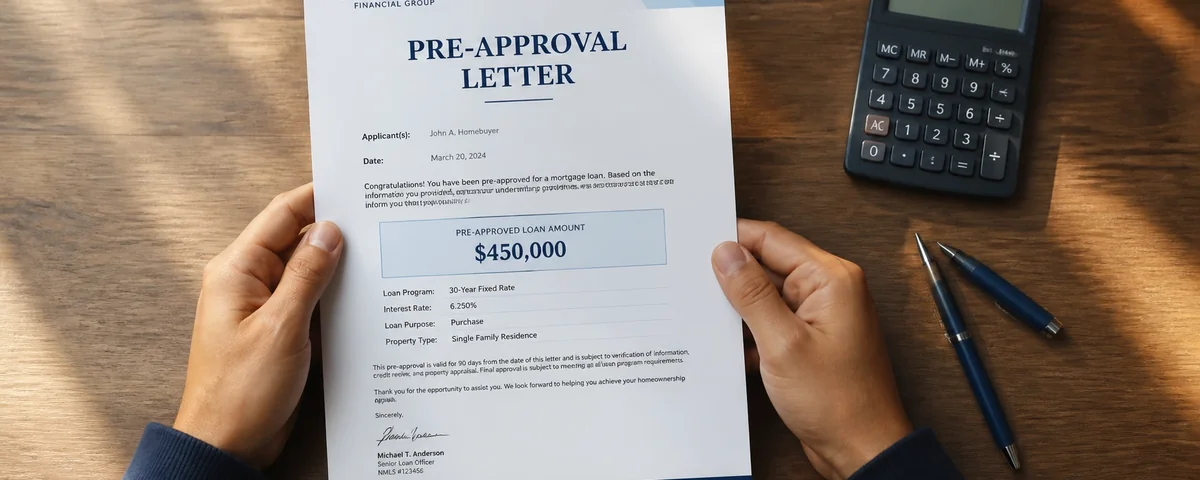
Before you commit to any agent, it also makes sense to be pre-approved with a lender. Knowing your budget changes every conversation you have with an agent and every clause in the representation agreement that touches price range. The pre-approval and financing guide walks through what Oregon lenders actually look at and what to have ready.
What Unrepresented Buyers Actually Give Up
Some buyers, after reading about the agreement, consider skipping representation entirely and buying directly. It is worth being specific about what that decision involves.
In a direct purchase, the listing agent represents the seller. Their legal duty is to the seller. They can provide you with facts about the property, but they cannot advise you on offer strategy, negotiate on your behalf, or tell you when a home is overpriced for the condition. Oregon law permits limited dual agency in some situations, but the listing agent's primary obligation remains to the person who hired them.
What a buyer's agent does at the offer stage specifically: researches comparable sales to ground your offer price, advises on which contingencies to include given the competition level, writes the offer in a way that protects you legally, and handles the negotiation of inspection findings. These are not administrative tasks. They are the moments where experienced representation most directly affects your outcome. The making a competitive offer guide covers what that process actually looks like in a Portland transaction.
Buyers also sometimes assume they will save money by going unrepresented because the seller will not need to offer a buyer agent concession. In practice, most sellers price their homes based on net proceeds, not gross. An unrepresented buyer rarely captures that full theoretical savings in the negotiated purchase price, particularly in a market where sellers have data and representation on their side.
If you want to understand the full scope of what a professional home inspection covers before you are in contract and under time pressure, the Portland home inspection guide is worth reading before your first offer.
For a broader look at the entire buying process from search through close, start with the full home buying roadmap.
NAR Settlement: August 17, 2024
Written buyer representation agreements became mandatory for MLS-member agents nationwide on August 17, 2024. Oregon Real Estate Agency aligned with this timeline. Agents who are not MLS members are not technically bound by the NAR settlement, but Oregon agency law still governs their disclosure and representation duties.
Source: National Association of Realtors, August 2024 settlement implementation guidance; Oregon Real Estate Agency
When This Does Not Apply
Three Scenarios Where This Works Differently
New construction direct from a builder. If you tour a new construction community and work directly with the builder's on-site sales agent, that agent represents the builder, not you. A buyer representation agreement with your own agent still applies if you brought one to the table. If you walked in without representation, the builder's agent has no obligation to act in your interest and the NAR written-agreement requirement applies to your agent, not the builder's.
For-sale-by-owner transactions. FSBO sellers are not represented by an agent and are not MLS participants in the same way. If you are working directly with a seller without an agent on either side, the NAR settlement requirements technically do not apply, but Oregon agency law still governs any licensed agent who enters the transaction.
Buyers represented by an attorney. In some commercial and high-complexity residential transactions, buyers retain an attorney rather than a real estate agent. Oregon law permits this, but attorneys are governed by the Oregon State Bar, not the Oregon Real Estate Agency, and the buyer representation agreement format differs.
Frequently Asked Questions
Can I see a house without signing a buyer representation agreement?
If you are working with an MLS-member agent, no. As of August 17, 2024, written representation agreements are required before a tour. Some agents may show you open houses without an agreement, since open houses are seller-hosted events and the agent present typically represents the seller. But a private showing coordinated by your agent requires the agreement first. This rule exists nationally, not just in Oregon.
What is the difference between an exclusive and non-exclusive buyer agreement?
An exclusive agreement means you work with one agent for the homes and area covered during the agreement term. A non-exclusive agreement allows you to work with multiple agents simultaneously. Non-exclusive agreements are less common in Oregon post-settlement because most experienced agents will not invest significant time on a buyer who is simultaneously working with three other agents. Exclusive agreements are standard. If an agent insists on non-exclusive terms, ask why before agreeing.
What happens if I want to switch agents after signing?
You can terminate the agreement in writing, typically with 24 to 72 hours notice per the terms you signed. The protection period clause is the only complication: if you purchase a home your original agent introduced to you within the specified protection window after termination, you may owe compensation to that original agent. Read your protection period clause before terminating, especially if you are actively interested in a specific property the agent showed you.
Does signing a buyer agreement mean I pay my agent out of pocket?
Not necessarily. The agreement specifies your agent's compensation amount, but in many Oregon transactions that compensation is covered by a seller concession negotiated as part of your offer. You agree to the amount upfront so there are no surprises. Whether you pay it directly or through a seller concession depends on the specific transaction and market conditions. Your agent should walk you through how compensation has been handled in recent transactions similar to your search before you sign.
Is the buyer representation agreement the same as an agency disclosure form?
No. Oregon requires a separate agency disclosure document that explains buyer agency, seller agency, and disclosed limited agency in plain language. This disclosure is informational and does not create a binding agreement. The buyer representation agreement is the binding contract that follows. You will typically receive and sign the disclosure before or alongside the representation agreement at your first meeting with an agent.
How is buyer agent compensation negotiated in Oregon now?
The compensation amount is established in the buyer representation agreement before you tour. When you make an offer, your agent can request a seller concession to cover some or all of that fee. The seller is not required to grant it, but it is a standard part of offer negotiation in most Portland metro transactions. In a multiple-offer situation, your agent will advise whether requesting a full concession is competitive given current market conditions. The key shift from pre-settlement: you know the number before the first showing, not at the closing table.
Questions About What You Are Signing?
Every buyer I work with gets a full walkthrough of the agreement before we tour anything. If you have questions about a specific clause, the compensation structure, or how the protection period works, let’s talk through it before you commit to anything.
Homes for Sale in the Portland Metro
Browse current listings in the Portland metro area.
- Oregon Real Estate Agency — Buyer and seller agency disclosure rules, Oregon licensing requirements
- National Association of Realtors — August 2024 settlement implementation, written agreement requirement
- Oregon Revised Statutes Chapter 696 — Real estate licensing and agency law, buyer agent fiduciary duties
- Consumer Financial Protection Bureau — Owning a Home — Closing cost categories, buyer education resources
- Federal Trade Commission — Real Estate Competition — Consumer guidance on NAR settlement and buyer rights
- Oregon REALTORS — Oregon-specific forms and NAR settlement implementation guidance
- HUD Homebuying Resources — Federal buyer representation and agency disclosure context
Data verified: May 2026
The information in this post is for general educational purposes and does not constitute financial, legal, or tax advice. Real estate agency law varies by transaction type and circumstance. Consult a qualified real estate professional or attorney for guidance specific to your situation.
Saling Homes at eXp Realty is committed to equal housing opportunity. We do not discriminate on the basis of race, color, religion, sex, handicap, familial status, or national origin.
Categories
- All Blogs (92)
- Buying a Home (34)
- Community Page (14)
- Downsizing (7)
- Home Buying Process (7)
- Homeownership (6)
- Increasing Your Homes Value (4)
- Local Events (2)
- Market Update (20)
- Mortgage Information (9)
- Neighborhood Eats and Experiences (1)
- neighborhood info (3)
- Real Estate News (14)
- Selling Your Home (19)
Recent Posts







GET MORE INFORMATION