How to Choose a Real Estate Agent in Portland: What Changed in 2026

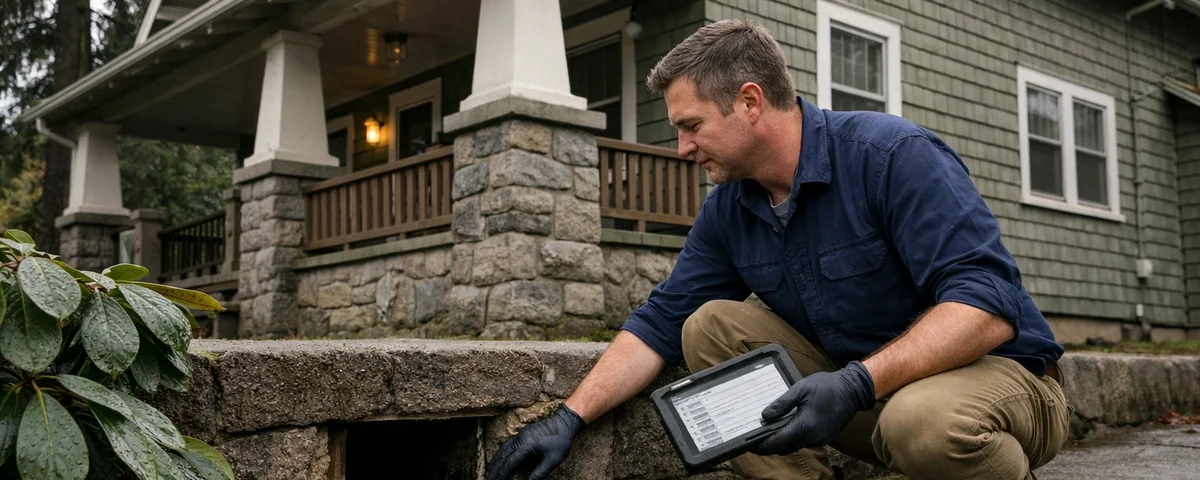
A buyer's first walkthrough with an experienced Portland agent looks less like a tour and more like a working conversation. The questions your agent asks tell you a lot about what they are going to do for you when it counts.
Choosing a buyer's agent is the first real decision of a home purchase, and most first-time buyers make it too quickly. In Portland's current market, the agent you work with shapes how you write offers, what you know before and after an inspection, and how much money stays in your pocket at closing. It is also a decision that Oregon law now formalizes before you ever step inside a home. If you are working through the full picture of buying your first home, start with the first-time home buyer guide Portland. This post covers the agent piece specifically: what changed, what to look for, what to ask, and what to watch out for.
How to Choose a Portland Buyer's Agent
Since January 2025, Oregon law requires a written buyer representation agreement before an agent can assist you in purchasing a home. That agreement covers how the agent gets paid, the scope of their duties, and your rights as a buyer. Before signing, interview at least two agents. Ask about their Portland metro experience specifically, how they handle offer strategy in the current market, and how they communicate during an active transaction. The right agent is not the most available one or the one a friend used five years ago. It is the one whose experience, local knowledge, and communication style match what your purchase actually needs.
- What a Portland Buyer's Agent Actually Does
- The Buyer Representation Agreement: What You're Signing
- How a Portland Buyer's Agent Gets Paid in 2026
- Five Questions That Separate Good Agents from Great Ones
- Red Flags to Watch For
- How to Verify a Portland Agent's License and Track Record
- When You Might Not Need a Buyer's Agent
- Frequently Asked Questions
What a Portland Buyer's Agent Actually Does
A buyer's agent represents your interests in a real estate transaction. That sounds obvious, but the practical scope of the job is wider than most first-time buyers expect. Under Oregon law (ORS 696.810), a buyer's agent owes you undivided loyalty, confidentiality, full disclosure, reasonable care, and the duty to account for all money and documents in the transaction. Those are legal obligations, not just sales promises.
In practice, a good Portland buyer's agent does several things that a mediocre one does not. They know which neighborhoods are overpriced at the current ask. They recognize the inspection red flags specific to Portland's housing stock — knob-and-tube wiring, clay sewer laterals, underground oil tanks, radon hot spots — before the inspection report arrives. They know how to structure an offer that wins without overpaying, and they know when a deal is worth walking away from. The shift in Portland's market toward buyers has created real negotiating room that an experienced agent can use — if they know how.
The Difference Between a Buyer's Agent and a Listing Agent
The listing agent represents the seller. They are paid to get the seller the best possible price and terms. If you call the number on a yard sign and that agent shows you the home, they are working for the seller, not for you. This is not dishonest — it is the structure of the transaction — but it means you are negotiating without anyone in your corner. Oregon law allows a single agent to represent both parties as a "disclosed limited agent" only when both parties agree in writing, but this dual-agency arrangement limits what the agent can share with either side.
Most buyers are better served by having their own representation, especially when they are purchasing for the first time. The listing agent's job is to sell that house. Your agent's job is to make sure you buy the right house on the right terms.
The Buyer Representation Agreement: What You're Signing
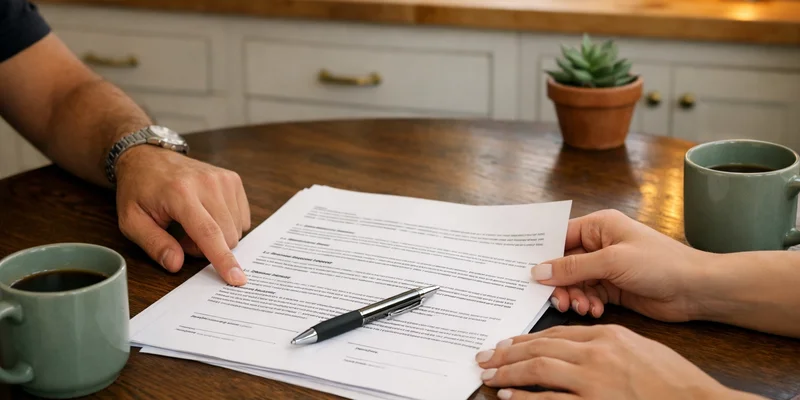
Oregon House Bill 4058, which took effect on January 1, 2025, requires that any broker assisting a buyer in purchasing residential property must have a signed written buyer representation agreement in place before — or as soon as practicable after — commencing those efforts. This was already best practice for most professional agents in Oregon. The new law simply made it mandatory statewide.
The OREF Buyer Representation Agreement specifies whether the relationship is exclusive or nonexclusive, describes the agent's legal duties to you, sets out the scope of the property search, explains how compensation is determined, and establishes termination rights for both parties. Reading it is worth your time. The most important sections for a first-time buyer are the exclusivity clause (are you locked in with this agent or can you work with others?), the compensation section (what is the agreed fee and how is it paid?), and the termination terms (what do you do if it is not working out?).
You Are Not Required to Sign Anything at an Open House
Under Oregon law and the NAR settlement rules, you are not required to have a signed buyer representation agreement simply to attend an open house on your own. The agreement is required once an agent begins actively assisting you in searching for or purchasing property. If you visit an open house unaccompanied, you are under no obligation to sign anything. If an agent follows up and you want them to show you homes or write an offer, that is when the agreement comes into play.
A well-run first meeting with a buyer's agent should include a walkthrough of the representation agreement before you ever discuss specific homes. Think of it the way you would think about any professional engagement: a doctor explains the treatment before starting, an attorney explains the retainer before taking your case. An agent who is uncomfortable explaining every line of that document before you sign is a yellow flag worth noting.
How a Portland Buyer's Agent Gets Paid in 2026
The NAR settlement that took effect in August 2024 changed how buyer-agent compensation works nationwide. Offers of buyer-agent compensation can no longer be made through the MLS. Instead, compensation is negotiated directly in the buyer representation agreement between you and your agent, before you tour any homes. The agreed fee is what your agent can receive — no more, regardless of what the seller offers.
In practice, many Portland sellers still offer to contribute to buyer-agent compensation outside the MLS — as a seller concession negotiated in the purchase agreement. When that happens, the seller's contribution is credited against the fee you agreed to with your agent. If the seller's contribution covers the full fee, you pay nothing additional. If it covers only part of the fee, you pay the difference at closing. If the seller offers nothing, you pay the full agreed fee.
What the Compensation Conversation Should Look Like
A good agent explains the fee structure clearly before you sign the representation agreement. They tell you the rate they typically charge, how it has been paid in recent transactions, and what happens if a seller offers less than the agreed fee. If an agent cannot answer those questions clearly and specifically, that is a red flag. The compensation structure is not a secret — it is a contractual term you are agreeing to. You have every right to understand it fully.
The compensation changes since 2024 have created genuine confusion for first-time buyers. The short version: your agent's fee is now set in writing between you and them, sellers can still contribute to it as part of the deal, and an experienced agent will walk you through exactly how it is likely to work on the homes you are targeting. If the first agent you talk to cannot explain this clearly, try a second agent.
Five Questions That Separate Good Agents from Great Ones
Every agent will tell you they are experienced, communicative, and dedicated to their clients. The questions that reveal the difference are the ones that require specific, verifiable answers — not talking points.
| Question to Ask | What a Strong Answer Sounds Like | Red Flag Answer |
|---|---|---|
| How many buyers have you represented in the Portland metro in the last 12 months? | A specific number. Active agents know this without hesitating. | Vague, deflecting, or "I do both buyers and sellers" without a number. |
| What neighborhoods are you most active in right now? | Names specific streets, ZIP codes, or submarkets with recent transactions. | Says "all of Portland" without specifics. |
| What is your offer acceptance rate in competitive situations? | Gives a number or describes specific strategies they have used to win offers. References how to write a winning offer in Portland. | "We just offer over asking" — no strategy behind the answer. |
| How do you communicate during an active transaction? | Describes a specific cadence: proactive updates at each milestone, how quickly they respond to calls and texts, what their process is when something comes up at 7pm on a Friday. | "I'm very responsive" — no specifics on method or timing. |
| Can I speak with two or three recent buyers you represented? | Says yes immediately and provides names within 24 hours. | Redirects to written reviews only. References they can curate are not the same as ones you choose. |
The interview itself is a data point. An agent who is well-prepared for buyer consultations, who has a clear process, and who can answer direct questions without pivoting to a sales pitch is demonstrating exactly the kind of professional discipline you want in the middle of a negotiation. If you would like to see what working with Joe looks like before committing to anything, Joe's client reviews cover real transactions across the Portland metro.
Red Flags to Watch For
Most buyer-agent relationships work out fine. A few patterns consistently signal trouble before it happens.
Pressure to sign quickly. A representation agreement is a contract. Any agent who pushes you to sign before you have read it, before they have explained the compensation terms, or before you have had a chance to ask questions is prioritizing their interests over yours.
No discussion of local market conditions. A good Portland agent knows what has been selling, what has been sitting, which neighborhoods have shifted, and where the value is right now. If a first consultation consists entirely of showing you how to use a property search app, that is not a consultation — it is a setup call.
Dismissiveness about inspections and due diligence. An experienced Portland agent respects the inspection period. They know about sewer scopes on pre-1950 homes, oil tank history on pre-1970 homes, and radon in Northeast Portland ZIP codes. An agent who waves off specialty inspections as unnecessary on an older home does not know Portland's housing stock well enough to protect you. If you want to understand what the inspection period involves before choosing an agent, read the Portland home inspection guide.
Overcommitment and underdelivery on availability. Some agents take on more clients than they can serve. The question to ask is not "are you available?" — everyone says yes — but "how many active buyer clients are you working with right now, and what does your typical response time look like on a weekday evening?" The specific answer matters.
First-time buyers often choose the first agent they meet because the process feels overwhelming and any confident professional feels like an anchor. Taking two extra days to interview a second agent almost never costs you a home. Spending four months with the wrong agent often does.
How to Verify a Portland Agent's License and Track Record
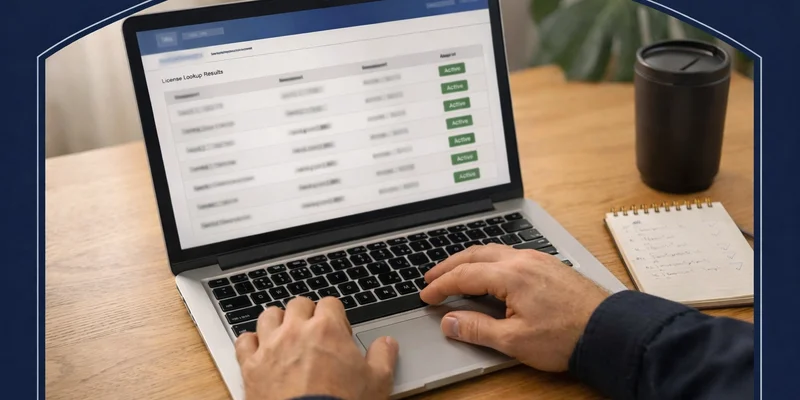
Oregon has one real estate license category: Broker. There are two levels — Broker and Principal Broker. A Principal Broker has at least three years of experience and additional education requirements. Most buyer's agents operate at the Broker level under the supervision of a Principal Broker at their firm. Both levels are authorized to represent buyers.
Before committing to an agent, verify three things using public sources:
- License status. Search the Oregon Real Estate Agency's online license directory to confirm the agent's license is current and active with no disciplinary actions or open complaints. This search is free and takes two minutes.
- Transaction history. Ask the agent to show you their recent transactions from RMLS — how many buyers they represented, in which areas, and in what price ranges. Active agents have this data readily available.
- References from recent buyers. As noted above, ask for two or three names of recent buyers you can call directly. Written reviews are useful context but are not a substitute for a direct conversation with someone who went through a real transaction with this agent in the past year.
This is also the right moment to think about whether this is someone you trust. A home purchase is a high-stakes, time-compressed process. You will be communicating with your agent frequently, making fast decisions based on their guidance, and relying on their judgment when things get complicated. Professional credentials and track record matter. So does the sense that this person is direct, honest, and on your side. If you want to see what that looks like in practice, read about Joe's background and approach before reaching out.
When You Might Not Need a Buyer's Agent
When This Guide Does Not Fully Apply
Most Portland home purchases benefit from dedicated buyer representation. A few situations look different. If you are an experienced investor purchasing a property at auction or through a wholesaler, you may navigate the transaction without a buyer's agent. If you are purchasing new construction directly from a builder, the builder's sales representative works for the builder — representation by your own agent is still advisable, but you should at minimum understand who is and is not working in your interest. If you are purchasing commercial property or a property with five or more residential units, Oregon's buyer representation law applies differently. And if you are a licensed real estate professional yourself, you already understand the landscape. For everyone else — and especially for first-time buyers in Portland — having a skilled buyer's agent on your side is the highest-leverage thing you can do before you ever write an offer.
The question of whether you need an agent is ultimately a question of whether the stakes justify professional guidance. For most first-time buyers in the Portland metro, where a typical home purchase involves hundreds of thousands of dollars, Oregon-specific legal requirements, a structured inspection and negotiation process, and a compressed timeline, the answer is yes. The more relevant question is which agent.
If you want to talk through where you are in the process and whether it makes sense to work together, schedule a conversation with Joe. No pressure, no commitment — just a direct conversation about what your purchase actually involves and what kind of support would be most useful to you right now.
Frequently Asked Questions
Do I have to sign a buyer representation agreement in Oregon?
Yes, as of January 1, 2025. Oregon House Bill 4058 requires that any broker representing a buyer in a residential purchase must have a signed written buyer representation agreement before or shortly after beginning to assist the buyer. This applies to showings, offer writing, and any active assistance in finding or purchasing property. You are not required to sign anything simply to attend an open house on your own, but once you engage an agent to actively help you, the agreement is required by law.
How does a buyer's agent get paid in Portland?
Since the NAR settlement took effect in August 2024, buyer-agent compensation is set in the written representation agreement between you and your agent before any homes are toured. The fee is typically a percentage of the purchase price or a flat amount. Many Portland sellers still offer to contribute to buyer-agent compensation as a seller concession negotiated in the purchase agreement. If the seller's contribution covers your agent's full agreed fee, you pay nothing additional at closing. If it covers only part of the fee, you pay the difference.
Can the seller pay my agent's fee?
Sellers can still contribute to buyer-agent compensation, but the offer can no longer be made through the MLS as it was before the NAR settlement. Instead, it is negotiated as a seller concession in the purchase agreement. Your representation agreement with your agent sets the maximum fee they can receive. If the seller contributes that amount or more, your out-of-pocket cost for agent compensation is zero. Your agent should be able to explain clearly how this has worked in their recent Portland transactions.
What questions should I ask when interviewing a Portland agent?
Ask how many buyers they represented in the Portland metro in the last 12 months, which specific neighborhoods they are most active in, what their offer acceptance rate looks like in competitive situations, how they communicate during an active transaction, and whether you can speak with two or three recent buyers directly. You are looking for specific answers, not sales language. An agent who cannot give you concrete data about their own recent activity is telling you something important.
Should I use the listing agent to buy a home?
The listing agent represents the seller. They are legally required to work in the seller's best interest. While Oregon law permits a disclosed limited agency arrangement where one agent represents both parties, this limits what the agent can share with either side. For a first-time buyer navigating inspections, offer strategy, and negotiation for the first time, having your own dedicated representation is almost always the better choice. The listing agent's job is to sell that house for as much as possible. Your agent's job is to make sure you pay the right price for the right home.
What is the difference between a broker and a principal broker in Oregon?
Oregon has one real estate license category — Broker — at two levels. A Broker is licensed to represent buyers and sellers but must work under the supervision of a Principal Broker at a licensed firm. A Principal Broker has at least three years of experience and additional education requirements, and can operate independently or supervise other brokers. Both levels are fully authorized to represent you as a buyer. Most buyer's agents in Portland are Brokers working under a Principal Broker at their firm.
How do I check if a Portland real estate agent is licensed?
Search the Oregon Real Estate Agency's online license directory at oregon.gov/rea. Enter the agent's name to confirm their license is current and active, see their license level (Broker or Principal Broker), and check whether there are any disciplinary actions or open complaints on file. This search is free and publicly available. Verifying a license before signing a representation agreement takes about two minutes and is worth doing.
What happens if I want to switch agents?
Your buyer representation agreement includes termination rights for both parties. Review the termination section before you sign — it should specify what notice is required and whether there are any conditions on termination. In practice, most professional agents will release a buyer from the agreement if the relationship is not working, particularly if no offer has been written. If you signed an exclusive agreement and want to work with a different agent, have a direct conversation with your current agent first. If there is a dispute about termination, the agreement terms and Oregon contract law govern the resolution.
Ready to Have a Real Conversation?
Choosing an Agent Starts with One Direct Conversation
No pressure, no obligation. If you want to understand what working together would look like, ask the hard questions, and decide whether it makes sense — that is exactly what a first call is for. Joe works with buyers across the Portland metro and has done it long enough to know when a situation is straightforward and when it needs careful handling.
Homes for Sale in the Portland Metro
Browse current listings across the Portland metro area.
Data Sources and References (as of April 2026):
- Oregon Real Estate Agency, Buyer Agreements and Listing Agreements: Law and Rule Overview
- Oregon Real Estate Agency, Buyer Representation Agreement FAQs
- Oregon Legislature, House Bill 4058 (2024 Chapter 3) — Buyer Representation Agreement Requirements
- Oregon Realtors, Buyer Representation and NAR Settlement Resource Hub
- Oregon Real Estate Forms, OREF Forms Library — Buyer Representation Agreement and related forms
- Oregon Real Estate Agency, License Verification and Directory Search
- Oregon Secretary of State, OAR Chapter 863 — Real Estate Agency Administrative Rules
- Oregon Realtors, Initial Agency Disclosure Pamphlet and Member Resources
Data verified: April 2026
The information in this post is for general educational purposes and does not constitute legal or professional advice. Oregon real estate law and OREF forms change periodically. Consult a licensed Oregon real estate professional for guidance specific to your transaction.
Saling Homes at eXp Realty is committed to equal housing opportunity. We do not discriminate on the basis of race, color, religion, sex, handicap, familial status, or national origin.
Categories
- All Blogs (92)
- Buying a Home (34)
- Community Page (14)
- Downsizing (7)
- Home Buying Process (7)
- Homeownership (6)
- Increasing Your Homes Value (4)
- Local Events (2)
- Market Update (20)
- Mortgage Information (9)
- Neighborhood Eats and Experiences (1)
- neighborhood info (3)
- Real Estate News (14)
- Selling Your Home (19)
Recent Posts







GET MORE INFORMATION