Multigenerational Homes in Portland: What to Know Before You Buy

Portland, Oregon. Multigenerational home buying has reached a record high nationally, and Portland's ADU-friendly zoning gives buyers here more options than most metro areas.
Multigenerational home buying in Portland is no longer a niche arrangement or a fallback plan. Families across the Portland metro are choosing to buy together on purpose, whether the goal is sharing costs, caring for aging parents, or simply keeping the people they love close. If this is something your family is considering, or something a family member has brought up, here is what you need to know before you start the search.
Is Buying a Multigenerational Home a Good Fit in Portland?
Yes, multigenerational home buying in Portland can be a strong option, especially with ADU-friendly zoning and the ability to share financial responsibility across a household. Buyers can combine incomes, access larger homes, and create separate living spaces on one property. The key is having clear financial agreements and a layout that supports both privacy and shared living.
Nationally, multigenerational purchases hit 17% of all home sales in the most recent survey period, the highest share on record. In Portland, Oregon law allows up to two accessory dwelling units on a single residential lot, and the city has eliminated off-street parking requirements for ADUs. The families who make this work go in with shared intent, a clear ownership structure, and honest conversations before anyone signs anything.
- Why More Families Are Buying Multigenerational Homes
- The Portland Advantage: ADU Laws and Zoning Flexibility
- What to Actually Look for in a Multigenerational Property
- The Financial and Legal Conversations Most Families Skip
- When Multigenerational Buying Does Not Make Sense
- Frequently Asked Questions
Why More Families Are Buying Multigenerational Homes
The honest answer is: it is rarely just one thing. For most families, cost is somewhere in the mix. Buying together means more income earners on the loan, more people splitting the mortgage, and a monthly payment that is easier to justify. But if you talk to families who have actually done it, the financial piece rarely tells the whole story.
According to the National Association of Realtors' 2025 Home Buyers and Sellers Generational Trends Report, 17% of all home purchases between July 2023 and June 2024 were multigenerational. That is the highest share since NAR began tracking this category. This is not a pandemic blip either. Pew Research Center found that the number of Americans living in multigenerational households quadrupled between 1971 and 2021, reaching nearly 60 million people.
Who Is Driving This Trend
Gen X buyers (ages 45 to 59) lead the way, with 21% of their home purchases being multigenerational. Younger baby boomers follow at 15%, and older millennials come in at 12%. Caregiving comes up constantly: nearly half of multigenerational buyers in NAR's research cited caring for or wanting to be near aging parents as a primary reason for the purchase.
Source: NAR, 2025 Home Buyers and Sellers Generational Trends Report
Remote work has also quietly changed the math. When you are not tethered to an office, living near family becomes less of a sacrifice. You can be close without it costing you professionally, which is a relatively new dynamic.
For Portland-area buyers, these national numbers carry local weight. The Portland metro's median home price remains above the national average, and inventory has been tight for years. That combination makes pooling resources across generations a practical path into homeownership, not just a cultural preference. If you are weighing the broader affordability picture, this breakdown of 7 data points on housing affordability adds useful context.
The Portland Advantage: ADU Laws and Zoning Flexibility
Portland is one of the most multigenerational-friendly cities in the country when it comes to zoning and housing law. Oregon's statewide reforms, combined with Portland's local Residential Infill Project, have created options that most cities simply do not offer.
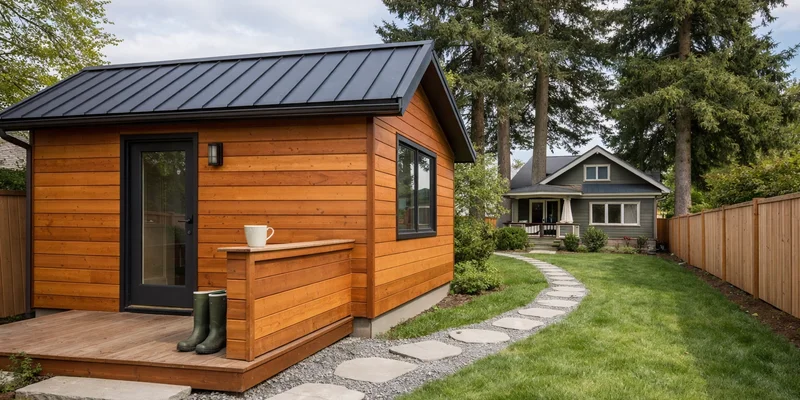
Portland ADU Options for Multigenerational Living
Two ADUs per lot. Under Portland's Residential Infill Project, homeowners can build up to two accessory dwelling units on a single residential property. That could mean a primary home plus a detached backyard cottage and a basement apartment.
No mandatory parking. Off-street parking requirements have been eliminated for ADUs in Portland. Existing driveways can be repurposed or lots can be used more efficiently.
SDC waivers available. System Development Charge waivers may be available if you commit to not using the ADU as a short-term rental for 10 years, which aligns perfectly with multigenerational use.
Pre-approved plans. The City of Portland offers pre-approved ADU building plans, which can simplify permitting and reduce design costs.
The regulatory foundation goes deeper than Portland city limits. Oregon House Bill 2001, signed into law in 2019, requires every Oregon city with a population over 25,000 to allow duplexes, triplexes, and fourplexes on formerly single-family lots. Senate Bill 458 followed, requiring cities to allow lot divisions for middle housing. Additional legislation continues to expand these options.
For multigenerational buyers, this means you are not limited to finding one big house. You can look for a property with an existing ADU, buy a home with space to build one, or explore duplexes and other middle housing types that naturally support separate living spaces. The 2026 home design trends shaping Portland increasingly reflect this shift toward flexible, multigenerational-ready layouts.
What to Actually Look for in a Multigenerational Property
This is where a lot of families get tripped up. They find a house they love, start imagining how it could work, and convince themselves the layout is more flexible than it really is. Then six months into living together, they realize what they actually needed was a separate entrance, not just a second bathroom.
The properties that work best for multigenerational living tend to share a few things in common, and after years of showing homes to multigenerational buyers across the Portland metro, here is what I recommend focusing on.
Privacy Has to Be Built into the Layout
Not just in theory, but in the actual floor plan. Dual primary suites, separate entrances, a finished basement with its own sitting area, or a detached ADU are not luxury features for multigenerational households. They are what make the arrangement actually sustainable. If each household cannot fully decompress, host their own guests, and keep their own rhythm, the togetherness part gets old fast.
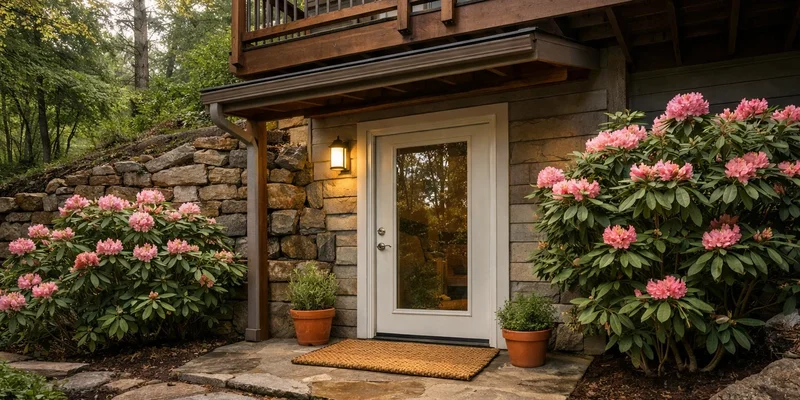
I recently worked with a family in Southeast Portland who bought a home with a detached ADU for aging parents. What made it work was not just the layout, but the upfront agreement on shared costs and future plans. Without that conversation, the same property would have created tension instead of flexibility. That dynamic shows up in almost every multigenerational deal I have been part of: the house matters, but the plan matters more.
Flexibility for the Long Game
Think about where everyone in the arrangement will be in ten or fifteen years. First-floor suites, wider hallways, zero-step entries, and rooms that can adapt as needs change are what make a multigenerational home function well over time, not just right now. If aging parents are part of the picture, the connection to the downsizing versus aging in place decision is worth understanding early.
Lot Size and ADU Potential
If the home does not already have an ADU, check whether the lot can support one. In Portland, detached ADUs are limited to the lesser of 800 square feet or 75% of the primary dwelling's living area. Corner lots and larger properties in East Portland, outer Southeast, and Southwest neighborhoods often have the space and zoning to add a unit.
Portland Neighborhoods with Multigenerational Potential
East Portland neighborhoods like Lents, Powellhurst-Gilbert, and Hazelwood tend to offer larger lot sizes at lower price points, giving buyers more room to add an ADU. In Tigard and Beaverton, newer construction sometimes includes main-level suites designed with accessibility in mind. Southwest Portland properties in areas like Multnomah Village and Hillsdale may offer walkout basements that convert well to separate living spaces.
Here is the part I tell every multigenerational buyer: the best properties support both togetherness and independence. If a home checks one but not the other, keep looking. And if you are early in the process with multiple family members involved in the decision, our home buying process overview walks through each step from pre-approval to closing.
The Financial and Legal Conversations Most Families Skip
This is the part that tends to get glossed over, because the emotional pull of the idea is strong and the practical details feel like they can wait. They cannot.
Financing Advantages and Structure
One of the biggest practical advantages of multigenerational buying is the financial picture. Multiple income earners can strengthen a mortgage application, and some loan programs are specifically designed to accommodate this arrangement. NAR's data shows that more than one in four multigenerational buyers have three or more people contributing to household income.
Some loan programs, including FHA loans, allow a non-occupant co-borrower, meaning a parent who will not live in the home can still be on the mortgage to help with qualification. Fannie Mae and Freddie Mac also have guidelines for properties with ADUs, and in some cases, projected rental income from an ADU can count toward qualifying income. Talk to your lender early about these options. For a fuller picture of what homeownership actually costs month to month, take a look at the costs that go beyond your monthly mortgage payment.
Co-Borrower vs. Co-Signer: Know the Difference
Co-borrowers combine income and assets to qualify for more, but they also share legal responsibility for the debt and share in whatever equity the home builds. That is meaningfully different from being a co-signer, who carries the liability but does not own a piece of the property. Knowing which structure makes sense for your family is a conversation to have with a lender before you fall in love with a house.
Ownership Structure Matters
There are several ways to structure who owns what: joint tenancy, tenancy in common, shared-equity arrangements. Each one affects what happens if someone wants to sell, refinance, or passes away. Equal contributions do not automatically mean equal ownership makes sense, and unequal contributions do not mean anyone is getting a bad deal. But these things need to be spelled out explicitly, not assumed.
The way a home is titled in Oregon can affect everything from Medicaid eligibility to how inheritance plays out. It is worth a conversation with an estate planning attorney or real estate attorney before you close, not after. For additional context on strategies to secure a better mortgage rate, that applies doubly when multiple borrowers are involved.
Get It in Writing

A verbal agreement between family members feels fine when everyone is on the same page. It gets complicated when circumstances change, and circumstances always change eventually. A written agreement that covers shared expenses, maintenance responsibilities, common areas, and how exits would be handled gives everyone protection and usually makes the conversations easier because you have already had them.
If your family is at the stage where you are balancing different wants and needs across multiple generations, that is exactly the kind of conversation where having a professional in the room changes the outcome. Not to tell you what to do, but to help you see what you might be missing.
Thinking about buying with family? Before you start looking at homes, make sure the numbers and ownership structure actually work for everyone involved. Schedule a quick planning conversation to get the strategy right first.
When Multigenerational Buying Does Not Make Sense
When This Does Not Apply
Multigenerational living is not the right fit for every household. If the family members involved have significantly different expectations about shared space, privacy, noise, or household responsibilities, the arrangement can create more stress than savings. Pew Research found that about a quarter of adults in multigenerational homes say the experience is stressful all or most of the time.
It also may not work financially if only one person will be contributing to the mortgage. A larger home with an ADU typically costs more upfront, and carrying that cost alone defeats the purpose. And it does not work well when someone is going along with it rather than genuinely choosing it. The families who thrive in multigenerational arrangements almost always went in with shared intent: everyone wanted it, everyone understood what they were agreeing to.
Before committing, ask the hard questions: Are the financial expectations clear and actually fair? Does everyone have a realistic picture of what shared space feels like on a random Tuesday when someone has had a bad day? If the answers are honest and mostly positive, multigenerational living can be genuinely great. If they are not, it is better to know that now.
Frequently Asked Questions About Multigenerational Homes in Portland
What counts as a multigenerational home?
A multigenerational home is any household where two or more adult generations live together. That includes adult children living with parents, parents moving in with adult children, or grandparents sharing a home with grandchildren. The home itself can be a single-family house, a property with an ADU, a duplex, or any layout that provides enough space for multiple generations under one roof.
Can I build an ADU for multigenerational living in Portland?
Yes. Portland allows up to two ADUs on a single residential lot under the Residential Infill Project. There are no off-street parking requirements for ADUs. Detached ADUs are limited to the lesser of 800 square feet or 75% of the primary dwelling's living area. The City of Portland offers pre-approved building plans, and SDC waivers may be available if you commit to not using the unit as a short-term rental for 10 years.
What Oregon laws support multigenerational housing?
Oregon House Bill 2001, passed in 2019, requires cities with populations over 25,000 to allow middle housing including duplexes, triplexes, and fourplexes on formerly single-family lots. Portland's Residential Infill Project goes further by allowing up to two ADUs per lot, permitting cottage clusters, and eliminating mandatory off-street parking for ADUs. Senate Bill 458 also requires cities to allow lot divisions for middle housing.
How does buying a multigenerational home affect mortgage qualification?
Multiple income earners can strengthen a mortgage application. NAR data shows more than one in four multigenerational buyers have three or more people contributing to household income. Some loan programs, such as FHA, allow non-occupant co-borrowers. Fannie Mae and Freddie Mac also have specific guidelines for properties with ADUs, sometimes allowing projected rental income to count toward qualification. Talk to a lender early to understand which options apply to your situation.
What is the difference between a co-borrower and a co-signer?
A co-borrower shares both the legal responsibility for the mortgage and the ownership of the property. A co-signer carries liability for the debt but does not have an ownership stake. For multigenerational purchases, the distinction matters because it affects equity, decision-making rights, and what happens if the arrangement changes. Your lender can walk you through which structure fits your family's situation.
Should we get a written agreement between family members?
Yes. A written agreement that covers shared expenses, maintenance responsibilities, common area use, and exit procedures protects everyone involved. It does not have to be adversarial. Most families find that having the conversation early and putting it on paper actually makes the living arrangement smoother because expectations are already clear. An estate planning or real estate attorney can help you draft one.
What should I look for in a multigenerational home in Portland?
Focus on practical layout features: separate entrances, a bedroom and full bathroom on the main level, enough square footage for private and shared spaces, and a lot large enough for an ADU if the home does not already have one. Location matters too. Proximity to public transit, medical facilities, and grocery stores benefits households with members of different ages and mobility levels.
Is multigenerational living a good financial decision in Portland?
For many households, yes. Sharing a mortgage, utilities, property taxes, and maintenance costs across multiple income earners reduces the per-person housing burden. In Portland's market, where the median home price remains above the national average, pooling resources can open up neighborhoods and home sizes that would be out of reach for a single household. An ADU can also generate rental income if the multigenerational need changes over time.
Is it cheaper to buy a house with family in Portland?
In most cases, yes. Combining incomes allows families to qualify for a larger mortgage, access better neighborhoods, and split ongoing costs like property taxes, insurance, utilities, and maintenance. NAR data shows that more than one in four multigenerational households have three or more income earners. The upfront cost of a larger home or a property with an ADU is higher, but the per-person monthly cost is typically lower than each household buying separately.
Can multiple people be on a mortgage in Oregon?
Yes. Most lenders allow multiple co-borrowers on a single mortgage. FHA loans also permit non-occupant co-borrowers, meaning a family member who will not live in the home can still help with qualification. The key is that every person on the mortgage shares legal responsibility for repayment, so all parties need to understand the commitment before signing. Talk to a lender early to understand how multiple borrowers affect your rate, qualification amount, and liability.
Are ADUs a good investment in Portland?
ADUs in Portland generally add value to a property and provide flexibility. If the multigenerational need changes over time, an ADU can be rented for income, used as a home office, or kept as guest space. Portland's permissive ADU zoning, the elimination of parking requirements, and available SDC waivers make the economics more favorable here than in most metro areas. Whether it is a good investment depends on the lot, the build cost, and your long-term plans, so it is worth running the numbers with a contractor and your lender before committing.
Thinking About Buying a Multigenerational Home in Portland?
The biggest mistake families make with multigenerational buying is waiting too long to build a clear plan. The financial structure, the ownership question, and the property search all need to work together, and sorting that out before you start looking at homes saves time, money, and stress.
If you are even starting to think about this, the right next step is a quick strategy conversation so you can understand what is actually possible in your situation.
Homes for Sale in Portland Metro
Browse current listings in the Portland metro area.
Data Sources and References (as of April 2026):
- National Association of Realtors, 2025 Home Buyers and Sellers Generational Trends Report
- NAR Economists' Outlook: How Families and the Data Are Shaping Multigenerational Living
- Pew Research Center: Financial Issues Top the List of Reasons U.S. Adults Live in Multigenerational Homes
- City of Portland: Accessory Dwelling Units (ADUs)
- Oregon Department of Land Conservation and Development: Middle Housing (HB 2001)
- The Mortgage Reports: How to Buy a House With Your Parents
- Elder Law Answers: Home Ownership When Parents and Adult Children Live Together
- Better Homes and Gardens: Multigenerational Living Will Define the Future of Home Design
Data verified: April 2026
Educational Disclaimer
The information in this post is for general educational purposes and does not constitute financial, legal, or tax advice. Consult a qualified professional for guidance specific to your situation.
Saling Homes at eXp Realty is committed to equal housing opportunity. We do not discriminate on the basis of race, color, religion, sex, handicap, familial status, or national origin.
Categories
- All Blogs (93)
- Buying a Home (35)
- Community Page (14)
- Downsizing (7)
- Home Buying Process (7)
- Homeownership (6)
- Increasing Your Homes Value (4)
- Local Events (2)
- Market Update (21)
- Mortgage Information (9)
- Neighborhood Eats and Experiences (1)
- neighborhood info (3)
- Real Estate News (15)
- Selling Your Home (20)
Recent Posts










GET MORE INFORMATION