Mortgage vs. Ownership Costs: What Buyers Need to Budget Beyond the Payment

Mortgage vs. Ownership Costs: What Buyers Need to Budget Beyond the Payment
Most buyers spend months preparing to get approved for a mortgage. They obsess over rates, run payment calculators, and watch listings with the kind of focus usually reserved for playoff games. Then they close, get the keys, and are hit with a completely different financial reality.
It’s not because they did anything wrong. It’s because most homeownership advice still focuses on getting to the closing table—not staying comfortable once you’re there. The mortgage payment gets all the attention. The insurance increases, the property tax reset, the maintenance surprises, the HOA special assessment—those show up later, without warning, and without a plan.
The good news: this is entirely fixable with the right preparation. Buyers who understand the full cost of ownership—not just the mortgage—tend to feel far more confident after closing. They make better decisions, carry less stress, and avoid the kind of financial surprises that turn a milestone into a burden.
If you’re planning to buy in the Portland Metro this year, the smartest move isn’t just qualifying for a loan. It’s setting yourself up to stay comfortable once the keys are in your hand.
Key Takeaways & Quick Navigation
- Mortgage-Ready Isn’t Ownership-Ready — Why what a lender approves and what feels comfortable aren’t the same thing
- The Down Payment Is Only the First Milestone — 7 years to save nationally, and what’s changed since 2019
- The Costs That Show Up After Closing — Insurance, taxes, maintenance, and why $1,400–$3,750/month beyond the mortgage isn’t unusual
- Why These Costs Matter More in 2026 — Insurance up 70%, tax resets, and maintenance math that catches buyers off guard
- Preparing for Ownership, Not Just Approval — Cash reserves, budget flexibility, and the trade-offs worth understanding early
- The Real Goal: Staying Comfortable — Why long-term comfort matters more than maximum approval
- Frequently Asked Questions — Reserves, insurance shopping, tax resets, Portland-specific guidance
The Numbers Behind Ownership Costs
- The typical down payment has more than doubled—from $13,900 in 2019 to roughly $30,400 in 2025
- It now takes about 7 years for a typical household to save for a down payment, down from a 2022 peak of 12 years
- Homeowners insurance premiums have climbed nearly 70% since 2021 and continue rising 8–10% annually
- Non-mortgage ownership costs can range from $1,400 to $3,750/month depending on home price, age, and location
- Experts now estimate maintenance at 2–4% of home value annually—that’s $10,700–$21,400/year on a $535,000 Portland home
Mortgage-Ready Isn’t the Same as Ownership-Ready
Getting approved for a mortgage tells you what a lender is willing to finance. It doesn’t tell you what your monthly life will actually feel like once property taxes, insurance premiums, and a suddenly temperamental water heater are part of the picture.
The reason this gap exists is structural. Lenders evaluate your debt-to-income ratio, credit profile, and down payment. Those are important qualifiers, but they don’t account for how much financial margin you need to feel comfortable day to day. A 43% DTI ratio might technically qualify you, but if the resulting payment leaves no room for savings, maintenance, or even a decent dinner out, the approval number doesn’t reflect reality.
The better approach: instead of anchoring on the maximum a lender will approve, work backward from a monthly payment range you’re genuinely comfortable with—one that includes taxes, insurance, and a maintenance reserve. Small rate changes often matter less than buyers expect, especially when other housing costs keep rising in the background.
Why Talking to a Lender Early Matters
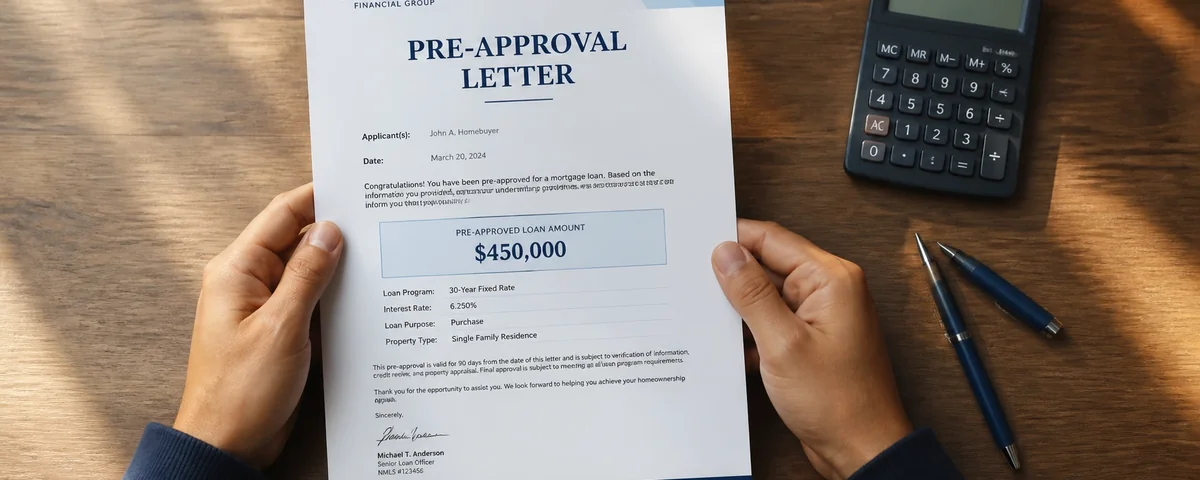
One of the most useful planning steps buyers can take is having a conversation with a lender before they start shopping. Not just for pre-approval, but to understand how income, savings, and spending patterns are evaluated. Those conversations give you time to adjust credit, pay down debt, or restructure savings before you’re under pressure to make quick decisions on a home you love. The buyers who feel most confident at closing are almost always the ones who started that process months earlier.
The Down Payment Is Only the First Milestone
Saving for a down payment remains one of the biggest obstacles to homeownership, and the numbers explain why. According to Realtor.com, it now takes about seven years for a typical household to save for a typical down payment. That’s an improvement from the 2022 peak of roughly 12 years, but it’s still about double the pre-pandemic timeline.
| Metric | 2019 | 2022 | 2025 |
|---|---|---|---|
| Typical down payment | ~$13,900 | ~$27,200 | ~$30,400 |
| Years to save | ~3.5 years | ~12 years | ~7 years |
| Personal savings rate | ~6.5% | ~3.4% | ~5.1% |
Source: Realtor.com analysis of down payment trends, U.S. Bureau of Economic Analysis savings rate data.
A few factors are keeping timelines longer than many buyers expect. The personal savings rate has averaged about 5.1%, still below the pre-pandemic norm of 6.5%. Everyday expenses—groceries, rent, childcare, transportation—continue to compete with long-term savings goals. And typical down payments have more than doubled in six years.
Hitting your down payment goal is a significant milestone. It’s just not the final one. The buyers who transition most smoothly into homeownership are the ones who plan for what comes after that milestone—the ongoing costs that start the day the keys change hands.
The Costs That Show Up After Closing
A lot of buyers treat the mortgage payment as the finish line. In reality, it’s the starting point. Once you own the home, several ongoing costs sit on top of the loan payment—and together, they can meaningfully change what “affordable” actually looks like.
| Ownership Cost | What’s Happening | Estimated Monthly |
|---|---|---|
| Homeowners insurance | Up nearly 70% since 2021; still rising 8–10% annually even for claim-free homeowners | $200–$450 |
| Property taxes | Often reset higher after a purchase when assessments adjust to sale price | $350–$700 |
| Maintenance & repairs | Experts now estimate 2–4% of home value annually; lumpy and unpredictable | $450–$1,800 |
| HOA / condo fees | Varies widely; special assessments can add thousands with little warning | $0–$600 |
| Utilities | Typically higher than renters expect; older Portland homes can be expensive to heat | $200–$400 |
| Total non-mortgage costs (estimated range) | $1,200–$3,950/mo | |
Ranges reflect a $400,000–$700,000 home in the Portland Metro. Actual costs vary by property age, condition, location, and HOA status.
That total catches a lot of buyers off guard. But when planned for upfront, these costs are far less stressful. The problem isn’t the costs themselves—every homeowner pays them. The problem is when they arrive as surprises.
Real-World Example: $535,000 Portland Home
On a home at Portland’s current median price of $535,000, here’s what ownership costs might look like beyond the mortgage:
- Insurance: ~$300/month ($3,600/year)
- Property taxes: ~$500/month ($6,000/year at ~1.1% effective rate)
- Maintenance reserve: ~$890/month ($10,700/year at 2% of value)
- Utilities: ~$275/month
- Total beyond mortgage: approximately $1,965/month
That’s nearly $24,000 per year on top of the mortgage payment. For a buyer with a $2,800 monthly mortgage, total housing costs would be closer to $4,765/month.
Why Insurance, Taxes, and Maintenance Matter More in 2026
Ownership costs have always existed. What’s changed is how fast some of them are rising—and how unpredictable they’ve become. That makes planning more valuable than ever, because the gap between what buyers expect and what actually happens has widened considerably.
Insurance: The Cost That Won’t Stop Climbing
Homeowners insurance premiums have increased nearly 70% since 2021, according to Realtor.com. Many markets are seeing annual increases of 8–10%, even for homeowners who have never filed a claim. The drivers are largely outside individual control—rising reinsurance costs, more frequent severe weather events, and higher construction material prices all push premiums higher.
For Portland buyers, Oregon hasn’t experienced the extreme increases seen in Florida or California, but premiums are still climbing steadily. Wildfire risk in surrounding areas, aging housing stock, and general inflation all contribute. The practical takeaway: don’t assume today’s insurance quote will be the same in two years. Build in room for annual increases.
Property Taxes: The Post-Sale Reset
Property taxes can also surprise buyers, especially when taxable values reset after a sale. Oregon’s Measure 50 caps annual assessed value growth at 3%, but when a home sells, the assessed value can adjust closer to market value. That means your tax bill may look nothing like what the current owner has been paying—particularly if they’ve owned the home for a long time.
| Scenario | Assessed Value | Est. Annual Tax |
|---|---|---|
| Current owner (20 years) | $285,000 | ~$3,700 |
| New buyer (post-sale) | $440,000 | ~$5,700 |
| Difference: the “tax reset” effect | +$2,000/year | |
Illustrative example based on Multnomah County tax rates. Oregon’s Measure 50 limits assessed value growth to 3%/year, but reassessment after sale can create a significant jump. Actual taxes depend on district, bonds, and levies.
Maintenance: The Cost That’s Lumpy by Nature
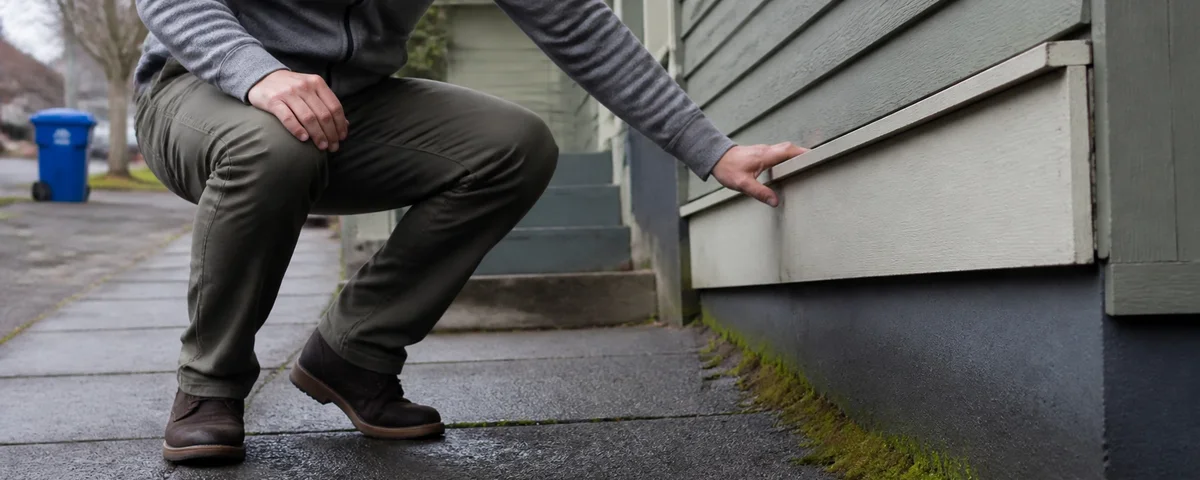
Maintenance is often underestimated because it isn’t consistent. You might go three years with minimal costs—a furnace filter here, a gutter cleaning there. Then the roof needs replacement ($15,000–$25,000), the furnace dies ($5,000–$8,000), or the sewer line collapses ($8,000–$15,000). These aren’t unusual events. They’re the normal lifecycle of a home’s systems.
| Major System | Typical Lifespan | Replacement Cost |
|---|---|---|
| Roof | 20–30 years | $15,000–$25,000 |
| HVAC / Furnace | 15–20 years | $5,000–$12,000 |
| Water heater | 10–15 years | $1,500–$4,000 |
| Sewer line | 50–75 years | $8,000–$15,000 |
| Windows (full house) | 20–30 years | $10,000–$20,000 |
| Exterior paint | 7–10 years | $5,000–$12,000 |
Portland-area estimates. Costs vary by home size, materials, and contractor. Older homes (pre-1960) may face additional costs for plumbing, electrical, or foundation work.
Planning for these realities doesn’t mean expecting the worst. It means building in a financial buffer so you have options when something does come up—instead of scrambling for a solution while already stretched.
Preparing for Ownership, Not Just Approval
Strong preparation isn’t about stretching to the maximum payment a lender allows. It’s about building breathing room—the financial margin that lets you handle the unexpected without it becoming a crisis.
Here’s what that preparation typically looks like for buyers who transition smoothly into ownership:
- Keep cash reserves beyond your down payment. A general guideline is 2–3 months of total housing costs (mortgage + taxes + insurance + estimated maintenance). For a $535,000 Portland home, that’s roughly $9,500–$14,300 in accessible savings beyond the down payment and closing costs.
- Choose a payment that leaves flexibility in your budget. Not the maximum you qualify for, but one that leaves room for savings, maintenance, and life. A useful test: can you cover the full monthly cost (mortgage + all ownership expenses) and still save at least 5–10% of your income? If not, you may be buying at the edge of comfort.
- Understand trade-offs before you’re under contract. A larger home costs more to insure, heat, and maintain. A condo comes with HOA fees that can increase. An older home in a charming Portland neighborhood may need significantly more upkeep than a newer build. These aren’t reasons not to buy—they’re factors to budget for honestly.
- Set up a maintenance fund from day one. Even $200–$400 per month into a dedicated savings account builds a meaningful buffer. After two years, that’s $4,800–$9,600—enough to handle most single-system repairs without panic.
When These Guidelines Don’t Apply the Same Way
- New construction buyers: Many of these costs are lower in the first 5–10 years. Builder warranties cover major systems, and newer homes require less maintenance. Insurance may also be lower. The 2–4% maintenance guideline is more applicable to homes 15+ years old.
- Buyers with significant equity from a sale: If you’re selling a current home and rolling substantial equity into the next purchase, your mortgage may be much smaller relative to the home’s value. Ongoing costs still apply, but the financial pressure is different.
- Down payment assistance recipients: Oregon and Portland offer several down payment assistance programs that change the savings timeline. If you qualify, the path to ownership may be shorter—but the ongoing cost planning is just as important.
- Condo buyers in well-managed HOAs: Some HOAs cover insurance, exterior maintenance, and reserves through monthly dues. That can simplify budgeting, though it means less control over costs and the risk of special assessments. Review the HOA’s financial statements before purchasing.
The Real Goal: Staying Comfortable After the Keys Are Handed Over
Buying a home is a big milestone. But staying financially comfortable in it is the real win. The distinction matters because the homeownership conversation in America is almost entirely focused on access—getting approved, getting to the closing table, getting the keys. What happens after that gets remarkably little attention.
The buyers who do well in 2026 aren’t necessarily the ones with the biggest budgets. They’re the ones who understand the full cost of ownership before they sign, plan for it early, and make decisions with the long term in mind.
The smartest financial move in homeownership isn’t buying the most house you can afford. It’s buying the house that leaves you room to live well in it.
If you’re in the early stages of planning a purchase in the Portland Metro, a conversation about what ownership actually costs—not just what you qualify for—can save you from the kind of surprises that turn excitement into stress. That’s a conversation worth having before you start shopping, not after you’re under contract.
Frequently Asked Questions
How much cash should I keep after closing?
A general guideline is 2–3 months of total housing costs in accessible savings. For a Portland home at the median price of $535,000, that translates to roughly $9,500–$14,300 beyond your down payment and closing costs. This provides a buffer for immediate maintenance needs and unexpected expenses during the first months of ownership.
Why did homeowners insurance go up so much?
Premiums have risen nearly 70% since 2021, driven by rising reinsurance costs globally, more frequent and severe weather events, and sharply higher construction material and labor costs. These factors affect rates industry-wide, which is why even claim-free homeowners are seeing increases of 8–10% annually. Shopping multiple carriers and raising deductibles can help, but the upward trend is broad-based.
Will my property taxes be the same as the current owner’s?
Not necessarily. In Oregon, property assessments can reset after a sale, particularly if the current owner has held the property for many years under Measure 50’s 3% annual cap. Your tax bill could be significantly higher than what the seller is currently paying. Ask your agent or the county assessor for the estimated tax impact before making an offer.
Is the 2–4% maintenance guideline realistic?
It’s a planning range, not a fixed rule. Newer homes may cost 1–2% for years, while older Portland homes—especially those built before 1960—can easily exceed 3–4% when major systems reach end of life. The guideline works best as a savings target: setting aside 2% annually builds a reserve so you’re prepared when the roof, furnace, or plumbing eventually needs attention.
Should I buy the most expensive home I qualify for?
Generally, no. Pre-approval tells you the maximum a lender will finance, but it doesn’t account for your full cost of ownership or lifestyle expenses. Buying below your maximum gives you room for maintenance reserves, insurance increases, and the flexibility to handle unexpected costs without financial strain. A useful test: after all housing costs, can you still save 5–10% of your income?
Are there down payment assistance programs in Portland?
Yes. Oregon Housing and Community Services offers programs for first-time and qualifying buyers, including down payment and closing cost assistance. The City of Portland and some local nonprofits have additional options. Eligibility depends on income, purchase price, and sometimes location. These programs can significantly reduce the savings timeline, though the ongoing ownership costs described in this article still apply.
How can I lower my insurance premiums?
Shop multiple carriers annually—rates can vary by 20–40% for the same coverage. Consider raising your deductible from $1,000 to $2,500 to lower premiums. Bundle home and auto policies. Ask about discounts for security systems, newer roofs, or impact-resistant features. And review your coverage annually to ensure you’re not over-insured or paying for endorsements you don’t need.
What’s a realistic total monthly cost for a Portland home?
For a home at Portland’s median price of $535,000, expect total monthly costs between $4,500 and $5,500 including mortgage, taxes, insurance, utilities, and a maintenance reserve. The mortgage itself might be $2,800–$3,200 at current rates, with another $1,700–$2,300 in non-mortgage ownership costs. Use the Market Snapshot to see current pricing by area.
Planning Your Next Move?
Understanding the full picture before you start shopping is the single best thing you can do for your financial comfort as a homeowner. A conversation about what ownership actually costs—not just what you qualify for—gives you clarity, confidence, and a plan that works long after closing day.
Search the Newest Listings for Sale in Portland Metro
Questions about Portland real estate or ready to explore your options?
Joe Saling provides calm, strategic guidance for buyers and sellers across Portland.
Data Sources & Verification: Down payment and savings timeline data from Realtor.com housing affordability reports. Insurance premium trends from Realtor.com and industry analyses. Savings rate data from the U.S. Bureau of Economic Analysis. Portland Metro median price and market data from RMLS (Regional Multiple Listing Service). Oregon property tax information from Multnomah County Assessor. Maintenance and replacement cost estimates reflect Portland-area contractor pricing. Data verified: February 2026
About the Author: Joe Saling is a Portland-based Real Estate Advisor with eXp Realty, specializing in urban neighborhoods, view properties, and lifestyle-driven communities. Joe helps buyers understand the full financial picture of homeownership—not just the mortgage—so they can make confident decisions that work long after closing day. For personalized guidance, visit SellingPDXHomes.com.
Categories
- All Blogs (93)
- Buying a Home (35)
- Community Page (14)
- Downsizing (7)
- Home Buying Process (7)
- Homeownership (6)
- Increasing Your Homes Value (4)
- Local Events (2)
- Market Update (21)
- Mortgage Information (9)
- Neighborhood Eats and Experiences (1)
- neighborhood info (3)
- Real Estate News (15)
- Selling Your Home (20)
Recent Posts







GET MORE INFORMATION