How to Write a Winning Offer in Portland: What Actually Works in a Competitive Market

Portland, Oregon — Understanding every lever in your offer gives you an edge most buyers don't have.
Most buyers think the way to win a competitive offer is simple: offer more money. That thinking costs people homes every week in Portland. Price is one lever. In most situations it is not even the most powerful one. Sellers are making a decision that goes well beyond the number at the top of the page, and buyers who understand that have a real advantage over those who don't. This guide breaks down how offers actually work in Portland, what moves sellers, and what strategy fits your specific situation.
What makes an offer win in Portland?
A winning offer in Portland combines a strong price with the right financial signals, earnest money that shows conviction, contingencies calibrated to the actual risk in that specific home, and a closing timeline that works for the seller. Escalation clauses are underused and often decisive in multiple-offer situations. The single biggest edge most buyers overlook is calling the listing agent before submitting — something most competing buyers never do.
→ Bottom line: price gets you in the room, but earnest money, contingency strategy, and timeline flexibility are what close the deal.
Why Portland Offers Are Different
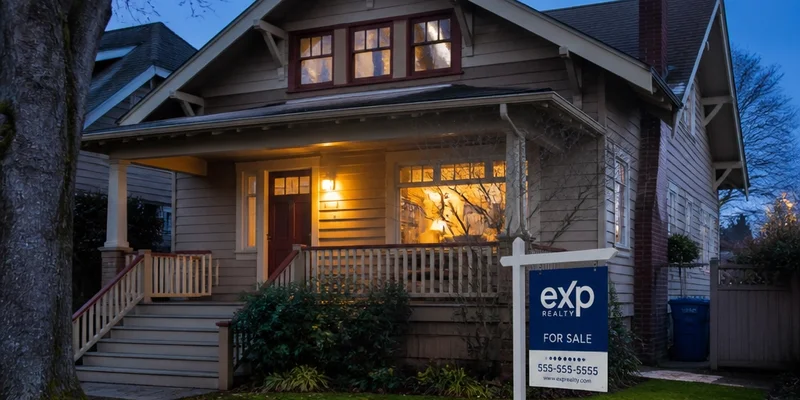
Portland's housing market doesn't behave like one market. It behaves like a dozen overlapping micro-markets organized by price band, neighborhood, and property condition. A well-priced Craftsman in Sellwood on its first weekend on the market will typically attract multiple offers within 72 hours. A price-reduced listing in outer East Portland that has been sitting for 45 days is a completely different negotiation. The offer strategy that wins one situation may actively lose the other.
According to RMLS data, the Portland metro consistently sees pockets of compressed inventory in the $400K–$600K range, particularly in close-in neighborhoods, while supply loosens at higher price points and in outer suburban areas. Days on market and list-to-sale price ratios shift meaningfully between these segments. Knowing which market you're in before you write the offer is the most important research step most buyers skip.
Portland also has some specific local dynamics worth understanding. Oregon is an attorney-optional state — most residential transactions close through title and escrow companies without attorneys. The Oregon Residential Real Estate Sale Agreement governs the offer process, and Oregon law gives sellers a specific window to respond to offers and counter-offers. Understanding that window matters when you're deciding whether to give a seller time to shop your offer or create urgency.
On nearly every competitive offer I submit, I call the listing agent before we write the paper. Five minutes on the phone tells me whether the seller needs a long or short closing, whether there's a tenant situation, whether they've had other showings, and sometimes what the seller actually cares about most. Most competing buyers never make that call. It costs nothing and has changed the outcome more than once.
Field Note
The Components That Actually Move Sellers
An offer is a package. Every component sends a signal about who you are as a buyer and how likely you are to close. Here is how Portland sellers and their agents read each one.
Price and Escalation
Your offer price is the starting point, not the whole conversation. Offering at list on a home with three competing offers is often the same as offering under list. The question is not "what is the listing price?" but "what is this home actually worth at today's absorption rate, and where do I need to land to be competitive?" Your agent should run a same-day comp analysis before you finalize the number, not two days earlier.
For competitive situations, an escalation clause allows you to automatically beat any competing offer up to a ceiling you set. It removes the guessing game and signals to the seller that you intend to win. More on escalation clauses in the dedicated section below.
Earnest Money
Earnest money is the deposit you make when the offer is accepted. In Oregon, it is typically held in escrow and applied toward your closing costs or down payment at close. The standard range in Portland metro transactions runs roughly 1%–3% of the purchase price, though competitive offers in multiple-offer situations often push toward or above the 3% mark.
Sellers read earnest money as a conviction signal. A $2,000 deposit on a $550,000 offer tells a seller you're not fully committed. A $15,000–$16,500 deposit on the same offer says something different. Losing your earnest money requires a specific breach on your part — it doesn't evaporate because you changed your mind, as long as your contingencies are written correctly. Understanding how earnest money is protected under a properly written contingency is worth reading before you make that deposit.
Contingencies
Contingencies protect your earnest money if specific conditions aren't met. The three most common in Oregon residential offers are the financing contingency, the inspection contingency, and the appraisal contingency. Each one gives you a defined exit with your deposit intact if the condition fails.
In competitive markets, some buyers waive contingencies to make their offer cleaner. This is a real risk-reward tradeoff, not a standard move. Waiving inspection on a 1990s home with unknown systems is a different decision than waiving inspection on a five-year-old new construction where the builder's warranty is still active. Before you consider waiving or shortening any contingency, read through the home inspection guide for context on what Portland-specific issues actually get found and what they cost. The closing costs Oregon guide also covers how seller repair credits flow through the closing process if you keep the inspection contingency and negotiate repairs instead of waiving.
Closing Timeline
Standard Oregon closings run 30–45 days from accepted offer. Some sellers need longer because they haven't found their next home yet. Others want to close fast because they've already relocated. The right closing date is the one that solves the seller's problem. Asking the listing agent — or having your agent ask — what timeline works best for the seller costs nothing and occasionally wins an offer even when your price isn't the highest.
Leaseback
A leaseback is an arrangement where you purchase the home but allow the seller to remain as a tenant for a defined period after closing, typically 30–60 days. Sellers who need time to find their next home often value a leaseback offer more than an extra $5,000 in purchase price. It's a tool most buyers don't think to offer and that many listing agents never think to ask for.

Offer Strategy by Scenario
There is no universal offer strategy. The right move in a multiple-offer first weekend is close to the opposite of the right move on a home that has been sitting for six weeks. Use the selector below to find the strategy that fits your actual situation.
2–3 offers, priced at market, typical Portland buyer
Lead Lever
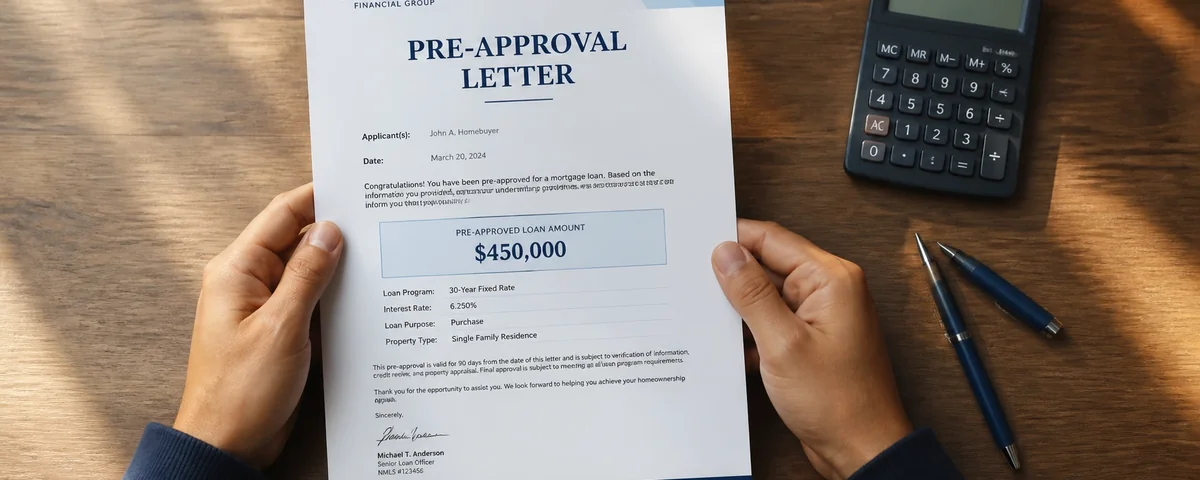
Price at or 1%–2% above list with a clean pre-approval letter. In this range you win on fundamentals, not heroics.
Earnest Money
1.5%–2% of purchase price signals solid commitment without overcommitting. On a $500K offer that is $7,500–$10,000.
Contingencies
Keep all three standard contingencies (financing, inspection, appraisal). Shorten inspection window to 7–10 days to show you're organized, not to waive protection.
Joe's Take
In standard competition, the difference is usually professionalism of the offer package — clean terms, no unusual asks, a personal letter if the seller is owner-occupant.
Seller has called for best offers by a weekend deadline
Lead Lever
Escalation clause up to your true ceiling. Don't anchor to list price — the seller is telling you competition is real. Set your escalation increment at $2,500–$5,000 over any competing offer.
Earnest Money
2%–3% minimum. This is the situation where earnest money most clearly separates serious buyers from tire-kickers in the seller's eyes.
Contingencies
Financing contingency: keep it. Inspection: consider shortening to 5–7 days and limiting repair requests to issues above $3,000–$5,000. Appraisal: consider an appraisal gap clause covering up to your acceptable gap if you have cash reserves.
Joe's Take
Highest and best is the situation where most buyers panic and overbid with no strategy. A well-structured escalation clause with a clear ceiling often beats a flat overbid because it signals you did the math.
Home just listed — offering before the open house
Lead Lever
Speed and certainty. Submit within 24–36 hours of the listing going live. A strong offer before open house traffic gives the seller a bird-in-hand and avoids the weekend bidding process entirely.
Earnest Money
2%–3% to match the seriousness of a pre-open-house offer. The seller is taking a risk by accepting early — strong earnest money compensates.
Contingencies
Keep financing and inspection. On a pre-open-house offer, the seller is trading away the bidding process — don't also ask them to absorb unlimited repair risk. An inspection contingency with a defined repair threshold ($2,500–$5,000) is reasonable to include.
Joe's Take
First-weekend offers succeed when the buyer is decisive. The listing agent almost always tells the seller whether the buyer "seemed serious." If you toured the home and immediately scheduled the offer conversation, that story gets relayed.
Home sitting 30+ days — seller is motivated but anchored to price
Lead Lever
Below-list price supported by a comp analysis your agent prepares. Sellers who have been sitting need data, not just a low number. Framing your offer as market-supported is the difference between an insult and a negotiation.
Earnest Money
1%–1.5% is appropriate. Overcommitting earnest money on a below-list offer creates more leverage for the seller if the deal goes sideways. Keep protection in place.
Contingencies
Keep all three. A home that has been sitting often has a reason — days on market is one of the strongest signals that inspection will find something. The inspection contingency is your most important protection here.
Joe's Take
The call to the listing agent is most valuable here. Sellers with 45+ days on market are often anxious and frustrated. Knowing what went wrong with prior offers — financing fall-through, inspection items, seller changing mind — tells you exactly where to structure your offer differently.
Builder's contract — different negotiation rules apply
Lead Lever
Builders rarely negotiate on price — they manage comps for the rest of the development. The leverage is in upgrades, closing cost credits, rate buydowns, and lot premiums. Ask for what the builder can give without affecting the recorded sale price.
Earnest Money
Builder contracts often require larger deposits, sometimes 3%–5%, paid in stages. Read the builder's specific contract — it governs, not the Oregon Residential Agreement.
Contingencies
Builder contracts typically limit contingencies. You still have the right to an independent home inspection even on new construction — this is not optional. New construction has its own category of issues: grading, HVAC installation, insulation, and punch-list items that only an independent inspector catches.
Joe's Take
Never sign a builder's contract without having your agent review it first. Builder sales agents work for the builder. Your agent works for you. Having representation at the table on new construction is where the NAR settlement's buyer agreement requirements matter most.
Competing against cash buyers with a financed offer
Lead Lever
Speed and certainty of your financing. A fully underwritten pre-approval (not just pre-qualification) reduces the gap between you and a cash offer. Some sellers prefer a financed offer at a higher price over cash at a lower price — the closing cost credit offset matters.
Earnest Money
3% or more. When a seller is choosing between you and a cash offer, earnest money is one of the clearest ways to demonstrate you will perform. Consider increasing the non-refundable portion if your state and situation allow.
Contingencies
An appraisal gap clause is often decisive here. Cash buyers don't have appraisal risk. If you can cover a gap of $10,000–$25,000 above appraised value in cash, put that in writing. Keep financing and inspection — shortening inspection to 5–7 days shows readiness.
Joe's Take
Cash offers win on certainty, not just price. The counter-strategy is to close the certainty gap with underwriting strength, a higher earnest deposit, and a shorter inspection window — not by removing all protection. I've helped financed buyers beat cash offers multiple times by eliminating the uncertainty signals one by one.
Escalation Clauses: The Tool Most Portland Buyers Don't Use
An escalation clause is an addendum to your offer that says: "We offer $X, but if another verified offer comes in higher, we will automatically beat it by $Y, up to a maximum of $Z." You set the increment and the ceiling. The seller sees your ceiling and can choose to accept at that number, counter, or reject.
Used correctly, escalation clauses have two advantages. First, they remove the guessing game — you don't have to wonder whether you left money on the table or overbid by $30,000. Second, they signal to the seller and their agent that you are a serious, sophisticated buyer who has thought through the competitive situation. That signal matters.
When to Use an Escalation Clause
Escalation clauses are most effective when you know or strongly suspect there are competing offers, when the home is priced at or near market value (not overpriced), and when you have a true ceiling you're comfortable with. The increment matters: a $1,000 increment is too small to be decisive; a $10,000 increment may beat a competing offer by far more than necessary. Portland buyers typically use $2,500–$5,000 increments depending on the price point.
The Oregon REALTORS escalation addendum is the standard form used in Oregon transactions. It requires the seller to provide a copy of the competing offer that triggered the escalation if they want to invoke it — a protection that prevents sellers from fabricating competing offers to run up your price.
When Not to Use an Escalation Clause
Skip the escalation clause on overpriced listings where you are already offering below list. It signals competitive intent in a situation where you have leverage. Also skip it when a seller has specifically stated they don't want escalation clauses — some sellers find them difficult to compare across multiple offers and explicitly exclude them in their listing instructions. Your agent should confirm this before you write the clause.
The Appraisal Gap Risk
When an escalation clause runs your final price above appraised value, you face an appraisal gap — the difference between what you agreed to pay and what the lender will lend against. If your escalation ceiling is $590,000 and the home appraises at $565,000, you owe the $25,000 difference in cash at closing unless you negotiate otherwise. Know your cash reserves before you set your ceiling, and build an appraisal gap clause into the offer if you plan to escalate above likely appraised value.

What Happens After You Submit
Once your offer is submitted in Oregon, the seller typically has 24–48 hours to respond, though the specific response deadline is written into your offer and can be shorter in hot situations. During that window the seller can accept, reject, or counter.
Acceptance
When the seller signs your offer without changes, you have a binding contract. Your earnest money deposit is due immediately — typically within 3 business days of acceptance in Oregon, though your specific contract will define this. From acceptance, the clock starts on all your contingency periods. The next phase of the process is the inspection period, which begins as soon as you're under contract.
Counter-Offer
A counter-offer is the seller rejecting your offer and making a new one. Counters commonly adjust price, earnest money amount, closing date, or contingency timelines. You now have the defined response window — typically 24–48 hours — to accept, reject, or counter back. This back-and-forth is normal and doesn't mean the deal is falling apart. It means the negotiation is working.
Rejection
Rejection with no counter is uncommon unless your offer was significantly below market or the seller accepted another offer. If you're rejected with no counter, your agent can often find out why through the listing agent — that feedback is valuable for your next offer.
Still in the early stages of your search? Before you get to the offer stage, Oregon now requires a signed buyer representation agreement before your agent can show you homes. Understanding what that agreement covers — compensation, duration, and what it means for your negotiation — sets you up to make better decisions at every step after it. Ask your agent to walk you through it before your first tour.
Once you're under contract and the inspection period is underway, you're heading into the next phase of the home buying process. The full home buying roadmap covers each step from offer through closing in sequence.
When Standard Offer Strategy Doesn't Apply
Three situations require a different approach entirely:
Auction properties. Homes sold through foreclosure auction or trustee sale follow a bidding process defined by the auction platform, not the Oregon Residential Agreement. Contingencies are limited or unavailable. These require a specialist familiar with the specific auction format.
REO and bank-owned properties. Banks use their own addenda that override many standard Oregon terms. Inspection periods may be shortened. As-is language is common and enforceable. Banks rarely respond within 24–48 hours — their internal approval process can take days or weeks.
Estate sales and probate. When a seller is an estate, offers may require court approval before becoming binding. Timelines are unpredictable. Your agent should confirm the probate status before you build an offer timeline around standard closing windows.
In all three cases, having an agent with experience in the specific transaction type is more important than having an optimized offer structure. The structure doesn't matter if the rules of the game are different.
Frequently Asked Questions
How much earnest money should I offer in Portland, Oregon?
In Portland metro transactions, earnest money typically runs 1%–3% of the purchase price. For standard competition, 1.5%–2% is generally solid. In multiple-offer situations or when competing against cash, 2%–3% or more is common. Your earnest money is protected by your contingencies — if the deal falls through due to a failed inspection, financing issue, or appraisal shortfall, you get it back as long as the contingency is properly written and exercised within the defined window. Talk to your agent about the right amount for your specific situation and price point before you finalize the offer.
What is an escalation clause and how does it work in Oregon?
An escalation clause is an addendum that automatically increases your offer price above any competing offer by a set increment, up to a maximum ceiling you define. In Oregon, the Oregon REALTORS escalation addendum is the standard form. It requires the seller to show you the competing offer that triggered the escalation — this protects buyers from sellers fabricating competing offers. Escalation clauses are most useful in genuine multiple-offer situations on fairly priced homes. They're not useful on overpriced listings where you're already negotiating down. Talk to your agent about whether the specific home and situation warrants one before writing it in.
Should I waive the inspection contingency to win an offer in Portland?
Waiving the inspection contingency removes one of your most important financial protections, so the decision depends heavily on the specific home. On a well-maintained newer home with documented service records, the risk is lower. On a 1950s Portland bungalow with original plumbing, knob-and-tube wiring, and an oil tank you haven't confirmed is decommissioned, waiving inspection can expose you to five or six-figure repair costs with no recourse. A middle path that many Portland buyers use in competitive situations is keeping the contingency but shortening the window to 5–7 days and limiting repair requests to items above a dollar threshold ($3,000–$5,000). This shows the seller you're organized and serious without removing your protection entirely.
How long does a seller have to respond to an offer in Oregon?
In Oregon, the response deadline is set by the buyer in the offer itself — typically 24–48 hours. The seller can accept, reject, or counter within that window. If the seller doesn't respond before the deadline, the offer expires. In competitive situations, buyers sometimes set shorter deadlines — 12–24 hours — to create urgency before other offers arrive. Your agent will recommend the right deadline based on the specific situation. For a first-weekend listing with expected open house traffic, a shorter deadline may be strategic. For an overpriced listing that has been sitting, a longer window is usually fine.
Can I compete against a cash offer with a financed offer in Portland?
Yes, and Portland buyers do it regularly. The key is closing the certainty gap that makes cash offers attractive to sellers. That means a fully underwritten pre-approval letter (stronger than pre-qualification), 3% or more in earnest money, a short inspection window, and in some cases an appraisal gap clause showing you can cover a difference between your offer price and the appraised value. Cash offers win on speed and certainty. A financed offer that eliminates the uncertainty signals one by one is genuinely competitive — especially if your price is higher, which the seller's net proceeds math often favors.
What is an appraisal gap clause and when should I use one?
An appraisal gap clause is a written commitment in your offer to pay a specified amount above the appraised value out of pocket if the home doesn't appraise at your offer price. For example, if you offer $580,000 and include an appraisal gap clause for up to $20,000, you're committing to pay up to $600,000 for the home even if it appraises at $580,000. This is most relevant when you're offering well above list in a competitive situation and there's a real chance the appraiser won't support the price. Before including one, confirm with your lender that your down payment and reserves actually support the gap you're committing to.
Does calling the listing agent before submitting an offer actually help?
In most cases, yes. Listing agents are obligated to represent their seller's interests, and most will answer factual questions about the seller's timeline preferences, whether other offers are expected, and what the seller cares about most. Five minutes on the phone can tell you whether a flexible closing date or a leaseback offer would be valued, whether inspection items came up in previous deals, and whether the seller is a motivated seller or holding firm. Most competing buyers never make this call. Your agent makes it as a standard part of offer preparation — if they're not doing this, ask them to.
READY TO MAKE YOUR MOVE?
Let's Build Your Offer Strategy
Every offer situation is different. The right strategy for your home depends on the neighborhood, the competition, the seller's timeline, and your financial position. I'll walk you through every component before we write a single word on paper.
Homes for Sale in Portland Metro
Browse current listings across the Portland metro area.
Sources and Verification
Data verified: May 2026
- Oregon Real Estate Agency — Oregon Revised Statutes governing offer and counter-offer timelines
- Oregon REALTORS — Oregon Residential Real Estate Sale Agreement and escalation addendum
- National Association of Realtors — 2024 settlement terms and buyer representation agreement requirements
- RMLS (Regional Multiple Listing Service) — Portland metro days on market and absorption rate data by price band
- Consumer Financial Protection Bureau — Earnest money protections and buyer rights under contingencies
- HUD (U.S. Department of Housing and Urban Development) — Federal buyer protection standards in residential transactions
The information in this post is for general educational purposes and does not constitute financial, legal, or tax advice. Consult a qualified professional for guidance specific to your situation.
Saling Homes at eXp Realty is committed to equal housing opportunity. We do not discriminate on the basis of race, color, religion, sex, handicap, familial status, or national origin.
Categories
- All Blogs (92)
- Buying a Home (34)
- Community Page (14)
- Downsizing (7)
- Home Buying Process (7)
- Homeownership (6)
- Increasing Your Homes Value (4)
- Local Events (2)
- Market Update (20)
- Mortgage Information (9)
- Neighborhood Eats and Experiences (1)
- neighborhood info (3)
- Real Estate News (14)
- Selling Your Home (19)
Recent Posts








GET MORE INFORMATION