Final Walkthrough and Closing Day in Portland: What to Expect

Portland, Oregon — The closing table is where weeks of paperwork becomes official. Here is what to expect from final walkthrough through key delivery.
Closing day is the finish line, but for most Portland buyers it also comes with more questions than any other day in the process. When do I get my keys? What am I signing? What if the walkthrough turns something up? This guide walks you through every stage, from the final walkthrough the morning of closing through what to do the day after the deed records.
What Should I Expect on Closing Day in Portland?
Closing day in Oregon follows a specific sequence: a final walkthrough of the property, a signing appointment at a title company, a gap while the county records the deed, and then key delivery. Oregon is an escrow state, meaning a title and escrow company manages the closing, not a real estate attorney. Most Portland-area closings record the same day you sign, but recording typically happens in the afternoon. You become the legal owner when the deed records, not when you finish signing your paperwork.
→ Bottom line: In Oregon, plan on a half-day for closing. Do not schedule movers or utility transfers for closing day itself. Key delivery almost always happens in the afternoon, after the deed records at the county.
- What Is the Final Walkthrough and What Are You Checking For?
- What to Bring to Closing (and One Call You Must Make First)
- What Happens at the Closing Table
- Closing Day Timeline: Stage by Stage
- The Signing vs. Recording Gap
- Wire Fraud Warning: Confirm Before You Wire
- What to Do the Day After Closing
- When This Process Looks Different
- Frequently Asked Questions
What Is the Final Walkthrough and What Are You Checking For?
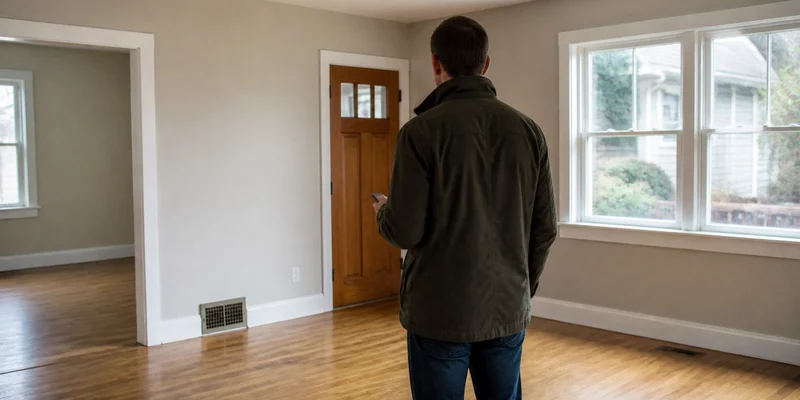
The final walkthrough happens in the 24 hours before closing, sometimes the morning of. It is not a second inspection. You are not looking for new issues to negotiate. You are confirming three things: that agreed-upon repairs were completed, that nothing was removed or damaged since your inspection, and that utilities are on and the home is in the same condition it was when you signed the purchase agreement.
Walk every room. Test every faucet. Run the dishwasher through a short cycle. Flush every toilet. Check that all appliances included in the sale are still present and functioning. Look at the walls for any new damage from the sellers moving out. If you had a home inspection that turned up items the seller agreed to fix, bring your repair addendum and compare it against what you see. Photos or a short video on your phone is useful documentation.
The final walkthrough is also the moment to confirm the property matches what you looked for when touring the home. Bring the same systematic approach. Sellers sometimes remove light fixtures they planned to keep, or swap out included appliances at the last minute. Both are contract violations.
If you find something wrong during the walkthrough, you have options: delay closing until it is resolved, negotiate a credit at the closing table, or proceed and accept the condition. What you do not want to do is close on a home with a known issue and assume you will sort it out later. Your leverage disappears the moment the deed records.
The most common walkthrough issue I see in Portland is sellers leaving personal property behind, not taking things they should have left. A riding mower, a hot tub, or built-in shelving the sellers assumed were theirs to take can all trigger a last-minute dispute. Read your purchase agreement carefully before you walk in so you know exactly what stays.
Field note
What to Bring to Closing (and One Call You Must Make First)
Your closing appointment is typically scheduled for 60 to 90 minutes. Here is what you need to bring:
- Government-issued photo ID. A driver's license or passport. Every person on the title must be present with ID, or have arranged a power of attorney in advance.
- Your Closing Disclosure. You should have received this at least three business days before closing. Bring it and compare it against the documents at the table.
- Cashier's check or wire transfer confirmation. Personal checks are not accepted for closing funds. If you are wiring funds, bring the confirmation number. If you are bringing a cashier's check, confirm the exact amount with your title company the day before.
- Checkbook. Occasionally a small final figure is different from what was expected and a personal check for a minor amount is accepted. Not common, but useful to have.
The one call you must make before wiring any money: Call your title company at their published phone number to verbally confirm wire instructions before you send any funds. Do not rely on wire instructions sent by email. Wire fraud in real estate closings is not rare, and the method is almost always the same: scammers intercept or spoof an email and replace the legitimate wire instructions with their own account details. Once a wire clears, it is extremely difficult to recover. More on this in the wire fraud section below.
You can review the Oregon closing costs guide to understand every line item you will see at the closing table before you arrive. The Closing Disclosure you received from your lender is the most important pre-closing document you have. Read it before you sit down.
What Happens at the Closing Table
Oregon is an escrow state. That means your closing is handled by a title and escrow company, not a real estate attorney. This surprises buyers who come from attorney-close states like Massachusetts or New York, or who have friends in parts of California where attorneys sometimes manage closings. In Oregon, the escrow officer is your closing coordinator and the person walking you through the signature stack.
Here is who is typically at the table and what their role is:
- Escrow officer. Coordinates the closing, explains each document as you sign, holds funds in trust, and manages the recording process with the county. They are neutral, not representing buyers or sellers.
- Your real estate agent. Present at most closings to answer questions about the transaction and walk you through anything that does not match your expectations. Your agent is there for you.
- The seller. Many Oregon closings are split closings, meaning buyers and sellers sign at separate times. You may never share a table with the seller. This is common and not a red flag.
- A notary (if remote closing). Remote online notarization is available in Oregon for some documents. If your lender or title company offered a remote closing option, a notary will be part of that process via video.
The document stack you sign at the closing table is substantial, often 100 or more pages for a financed purchase. The escrow officer will move you through it. The most important documents you will sign are: the Closing Disclosure, the promissory note (your loan agreement), the deed of trust (what gives the lender security interest in the property), and the settlement statement. The CFPB's Closing Disclosure guide explains every section in plain language if you want to review before you arrive.
Closing Day Timeline: Stage by Stage
Every closing day follows the same sequence, but buyers experience it differently depending on where they are in the process. Use the stage selector below to jump to where you are right now.
Select your stage
Final Walkthrough
When it happens: 24 hours before closing, often the morning of.
What you are doing: Walking the property to confirm repairs were completed, nothing included in the sale was removed, utilities are on, and the condition matches what you agreed to buy. This is not a re-inspection.
Your job: Bring your repair addendum if repairs were negotiated. Take photos. If something is wrong, call your agent immediately before proceeding to closing. Your leverage is highest before you sign.
Time needed: 20 to 45 minutes depending on home size.
Morning of Closing
When it happens: Before your signing appointment.
What you are doing: Confirming wire transfer instructions by phone (not email), gathering your ID and Closing Disclosure, confirming your cashier's check amount if you are bringing one, and confirming your signing appointment time with the title company.
Your job: The single most important action is the phone call to confirm wire instructions. Call the title company at a number you find independently, not a number from a recent email. Wire fraud is real, and it targets exactly this moment.
Time needed: 30 minutes for preparation. Wire confirmation call typically takes 5 to 10 minutes.
At the Closing Table
When it happens: Your scheduled appointment, typically mid-morning or early afternoon.
What you are doing: Signing the document stack at the title company. The escrow officer explains each document. You sign. For a financed purchase, plan on 60 to 90 minutes. Cash purchases move faster, sometimes 30 to 45 minutes.
Your job: Compare each document to your Closing Disclosure. Ask the escrow officer to explain anything that does not match your expectations. Do not feel rushed. This is a legally binding commitment and you have the right to understand what you are signing.
Who is there: Escrow officer, your agent, possibly the seller (though many Oregon closings are split). Lenders are not typically present in person.
After Signing
When it happens: Immediately after your signing appointment ends.
What you are doing: Waiting. The escrow officer sends your signed documents to the lender for a final review (called "funding authorization"). The lender confirms the loan funds are ready to release. This step can take one to several hours.
Your job: This is the gap most buyers do not expect. You have signed everything. You do not yet own the home. Do not schedule anything time-sensitive in this window. This is a good time for lunch.
Oregon-specific note: Oregon law requires that the deed be recorded with the county before the transaction is complete. Recording cannot happen until the lender funds the loan and the escrow company receives those funds.
Recording and Keys
When it happens: After the lender funds the loan and the county recorder processes the deed. For most Portland-area closings, this is mid to late afternoon on the same day you sign.
What you are doing: Becoming the legal owner of the property. The deed records at Multnomah County, Washington County, or Clackamas County (depending on property location). The county recorder stamps and indexes the deed. At that moment, the home is yours.
Your job: Be reachable by phone. Your agent or escrow officer will call or text when recording is confirmed. Key delivery happens immediately after recording confirmation, either from the listing agent's lockbox or from the escrow company depending on how your transaction was structured.
Timeline note: Most Portland-area closings record between 2 PM and 5 PM. County recorders do not process deeds after close of business. If your closing is delayed past the recording cutoff, your keys move to the next business day.
Day After Closing
When it happens: The morning after you receive your keys.
What you are doing: Taking ownership in the practical sense. This includes several steps that most closing day guides skip entirely.
- Change the locks. You do not know how many copies of the previous keys exist. A locksmith can rekey most homes in an hour.
- Transfer utilities. Call your utility providers to get electricity, gas, water, and internet into your name. Do not assume they transferred automatically.
- Locate the main water shut-off. Know where it is before you need it. Usually in the basement, crawl space, or near the front of the home by the foundation.
- Walk every room and record a condition video. A dated video walkthrough is the best documentation of the home's condition at the moment you took possession.
- Check your smoke and carbon monoxide detectors. Test them. Replace batteries if needed.
This day is when the home becomes real. Take your time with it.
The Signing vs. Recording Gap: Why You Don't Always Get Keys When You Finish Signing
This is the single most common source of closing-day confusion in Portland. Buyers finish signing their documents, shake hands with the escrow officer, and expect to be handed keys. They are often not. Here is why.
Signing and recording are two separate legal events. When you sign at the title company, you are completing the contractual paperwork. But you do not become the legal owner of the property until the deed is recorded at the county recorder's office. Under Oregon Revised Statutes Chapter 205, the deed must be recorded to be effective against third parties.
Before the county can record, two things need to happen: the lender must fund the loan (transfer money to the escrow account), and the escrow company must disburse funds to the seller. Only after those steps does the escrow officer submit the deed for recording. The county recorder then processes it in sequence with all other documents received that day.
In practice, most Portland-area closings record the same day. But "same day" typically means mid to late afternoon, often between 2 PM and 5 PM. If you sign at 10 AM, you may not get your keys until 4 PM. That is not a problem. That is the Oregon escrow process working correctly.
Where it becomes a problem is when buyers schedule movers, schedule utility transfers, or make assumptions about access based on their signing time rather than their recording time. Plan around recording, not around signing.
Wire Fraud Warning: Confirm Before You Wire
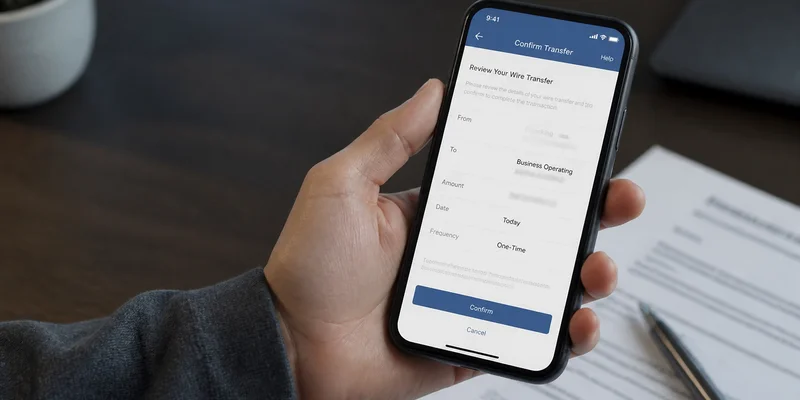
Wire Fraud Targets Real Estate Closings Specifically
Real estate wire fraud losses exceeded $145 million in 2023 according to the FBI Internet Crime Complaint Center. The method is consistent: scammers monitor or spoof email accounts involved in the transaction and send fraudulent wire instructions that appear to come from your title company, lender, or agent. Once you wire funds to a fraudulent account, recovery is rare.
The defense is simple: call the title company at a phone number you look up independently, not one from a recent email, and verbally confirm the wire routing number and account number before you send any money. Do this even if the email looks legitimate. Do this every time.
The Oregon Land Title Association includes wire fraud prevention guidance in its consumer resources. Most Portland-area title companies will also proactively remind you to confirm instructions by phone. If your title company does not, ask anyway.
Additional protections worth knowing: your title insurance policy does not cover wire fraud losses (it covers title defects, not transfer fraud). Cybercrime insurance for real estate transactions is a separate product some buyers carry. If you believe you have sent funds to a fraudulent account, call your bank immediately and file a report at ic3.gov. The first hour matters most for fund recovery.
What to Do the Day After Closing
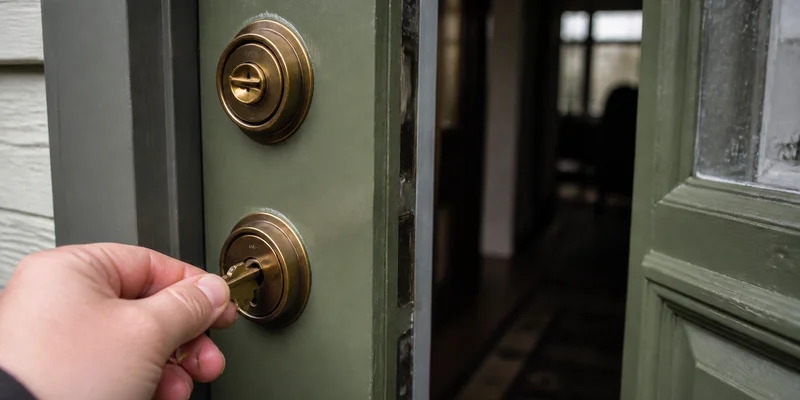
Most closing day guides stop at key delivery. This section covers the 24 hours after, which is where most buyers feel the least prepared.
Change the locks first. The previous owners may have given copies to a housecleaner, a neighbor, a contractor, or a family member. You have no way to know. A locksmith can rekey the exterior locks in an hour for $100 to $200 in most Portland neighborhoods. Do this before you move anything of value in.
Transfer utilities into your name. Contact Portland General Electric or Pacific Power for electricity, NW Natural for gas, and the City of Portland (or your municipality) for water and sewer. Internet service requires its own call. Do not assume any of these transferred automatically. In many Portland closings, the seller's utilities remain active through closing day. After that, you are responsible.
Locate the main water shut-off. Walk the basement, crawl space, or perimeter of the foundation and find it before you need it. In many older Portland homes, the shut-off is in the basement utility area or near the water heater. Knowing its location is basic homeownership and something you want to have figured out before a pipe bursts.
Walk every room and record a video. Do a slow, narrated video walkthrough of every room, every appliance, every surface. Note the date out loud. This is your condition baseline and your best documentation if a dispute arises later about what was present when you took possession.
Test smoke and carbon monoxide detectors. Press the test button on each one. Oregon law requires functional detectors at the time of sale, but batteries discharge and units fail. Confirm they work now.
For a broader checklist of homeownership steps beyond day one, the Consumer Reports new homeowner checklist covers the first month in detail and is worth bookmarking. Also review the full home buying roadmap to confirm you have completed every step of the process.
When This Process Looks Different
Four Situations Where Closing Day Works Differently
- Cash purchases. No lender means no loan funding step. The escrow company receives and confirms your funds, then submits the deed for recording directly. Cash closings often record faster, sometimes same-morning, depending on when funds hit the escrow account.
- Relocation purchases. If you are not in Oregon, your closing will involve a power of attorney or remote online notarization. Oregon allows remote notarization for many documents. Confirm with your title company which documents require in-person signing and which can be handled remotely.
- New construction. Builder closings may use the builder's preferred title company and follow a slightly different process, particularly around walk-through timing and what punch-list items must be completed before closing. Your agent is essential here.
- Closings near county recorder holidays. Oregon county recorders observe state holidays. If your scheduled closing falls on or immediately before a holiday, confirm recording timing with your title company. A Friday closing near a three-day weekend may not record until the following Tuesday.
Frequently Asked Questions
When do I get my keys after closing in Oregon?
You get your keys after the deed records at the county, not when you finish signing documents. In Oregon, signing and recording are two separate events. Most Portland-area closings record on the same day you sign, but recording typically happens in the afternoon, often between 2 PM and 5 PM. If you sign at 9 or 10 AM, plan on waiting several hours. Your agent or escrow officer will contact you as soon as recording is confirmed. Do not schedule movers or make access commitments based on your signing appointment time.
What do I bring to closing when buying a house in Oregon?
Bring a government-issued photo ID (everyone on the title needs one), your Closing Disclosure, and your payment method, either a cashier's check in the confirmed amount or wire transfer confirmation. Bring a personal checkbook in case a minor amount adjustment is needed at the table. Do not bring a personal check as your primary payment method. Call your title company the morning of closing to confirm the exact cashier's check amount or to verify wire instructions by phone before sending any funds.
What should I check during the final walkthrough?
Confirm that all agreed-upon repairs were completed (bring your repair addendum), that all appliances included in the sale are present and working, that no fixtures or included items were removed, that utilities are on and functional, and that the overall condition of the home matches what it was when you made your offer. Test faucets, flush toilets, run a dishwasher cycle, and check for any new damage from the sellers moving out. Take photos or a short video. If something is wrong, call your agent before proceeding to closing.
What is the difference between signing and recording a deed?
Signing is the contractual step where you execute the closing documents at the title company. Recording is the legal step where the county recorder processes and indexes the deed, making you the official owner of record. Under Oregon law, a deed must be recorded to be legally effective against third parties. You do not own the home until recording is complete. The gap between signing and recording exists because the lender must fund the loan and the escrow company must disburse funds to the seller before the deed can be submitted to the county recorder.
How do I protect myself from wire fraud at a real estate closing?
Call your title company at a phone number you look up independently, not a number from a recent email, and verbally confirm the routing number and account number before sending any wire. Do this every time, even if the email with wire instructions looks legitimate. Fraudulent wire instructions can come from spoofed or compromised email accounts that appear identical to your title company's real address. Wire fraud losses in real estate exceeded $145 million in 2023. Once a wire clears, recovery is rare. If you believe you have wired funds to a fraudulent account, call your bank immediately and file a report at ic3.gov.
Who is at the closing table when I buy a home in Oregon?
The escrow officer from the title company is always present. Your real estate agent is typically there. The seller may or may not be present, since Oregon closings are often split, meaning buyers and sellers sign at different times. Your lender is generally not present in person. If you are doing a remote online notarization, a notary will be part of the video session. Oregon is an escrow state, so unlike some other states, there is no attorney required at the closing table.
What if I find a problem during the final walkthrough?
Call your agent immediately before you go to the closing table. You have three main options: request a delay in closing until the issue is resolved, negotiate a credit at the closing table to compensate for the problem, or proceed and accept the condition as-is. The right choice depends on the severity of the issue and the terms of your purchase agreement. Your leverage is highest before you sign. Do not close on a known problem expecting to resolve it afterward. Once the deed records, the sale is complete.
What should I do the day after closing on a house?
Change the locks before you move anything valuable in, since you do not know how many copies of the keys exist. Transfer utilities into your name, including electricity, gas, water, and internet. Locate the main water shut-off valve. Do a slow narrated video walkthrough of every room to document the home's condition at the time you took possession. Test all smoke and carbon monoxide detectors. These steps are often skipped because buyers are focused on moving, but they are the highest-value actions in the first 24 hours of homeownership.
Your Closing Day Is Coming. Let's Make It a Non-Event.
Every closing is different. The timing, the walkthrough findings, what the escrow officer flags, when the county records. If you want to walk through what to expect for your specific closing, I am happy to talk through it with you before the day arrives.
Homes for Sale in Portland, Oregon
Browse current listings in the Portland metro area.
Data Sources and Verification
Data verified: May 2026
- Oregon Revised Statutes Chapter 205 — Deed recording requirements and county recorder procedures
- CFPB — Closing Disclosure Explainer — What every section of the Closing Disclosure means
- FBI Internet Crime Complaint Center (IC3) — 2023 annual report, wire fraud in real estate statistics
- Oregon Land Title Association — Oregon escrow and closing process, consumer wire fraud guidance
- Oregon Department of Consumer and Business Services (DCBS) — Title insurance regulation and consumer rights
- CFPB — Mortgage Closing Checklist — What to bring and what to review before closing
- Consumer Reports — New Homeowner Checklist — First-month homeownership steps
The information in this post is for general educational purposes and does not constitute financial, legal, or tax advice. Consult a qualified professional for guidance specific to your situation.
Saling Homes at eXp Realty is committed to equal housing opportunity. We do not discriminate on the basis of race, color, religion, sex, handicap, familial status, or national origin.
Categories
- All Blogs (92)
- Buying a Home (34)
- Community Page (14)
- Downsizing (7)
- Home Buying Process (7)
- Homeownership (6)
- Increasing Your Homes Value (4)
- Local Events (2)
- Market Update (20)
- Mortgage Information (9)
- Neighborhood Eats and Experiences (1)
- neighborhood info (3)
- Real Estate News (14)
- Selling Your Home (19)
Recent Posts






GET MORE INFORMATION