Home Design Trends Buyers in Portland Are Prioritizing in 2026
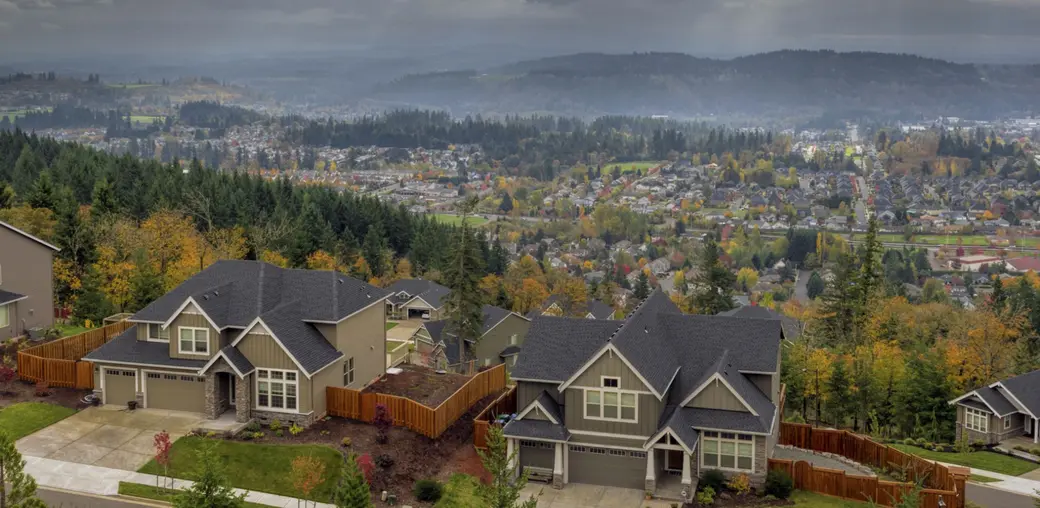
Six Home Design Trends Buyers in Portland Are Prioritizing in 2026
Most homebuyers don’t walk into a house thinking about design trends. The questions running through their minds are far more personal: Will this space work for my life? Will I feel comfortable here? Will I regret this price six months from now?
Buyers today are balancing budgets and long-term plans while accepting a simple truth: no home is perfect. Decisions tend to be more measured than impulsive, with more attention paid to how a home feels, how it functions day to day, and how much effort it will take to make it truly theirs.
That’s where design starts to matter—not as decoration, but as communication. Effective design speaks to something in the buyer. It dissolves the barrier between “just looking” and “I can see myself here.” Certain features consistently help buyers feel confident moving forward, while others introduce doubt—that quiet, niggling feeling when something just doesn’t sit right.
So where does that leave you as a homeowner thinking about selling in 2026? Based on national research from Better Homes & Gardens Real Estate and what we’re seeing across Portland’s market, six specific design trends are shaping how buyers choose homes this year—and understanding them can help you prepare with intention rather than guesswork.
Key Takeaways & Quick Navigation
- Starter Home Is About Fit, Not Size — Why square footage matters less than it used to
- Paint Color Shapes First Impressions — The colors that sell and the ones that don’t
- Social Media Is Shaping Expectations — How Pinterest and Instagram influence what buyers want
- Layout Is the New Measure of Value — Flow, flexibility, and functional space
- Craftsmanship Signals Longevity — What quality finishes communicate to buyers
- Curb Appeal Is About Calm — Understated landscapes that create confidence
- What Buyers Value Most — The bigger picture behind these trends
- How to Prepare in Portland — Applying these trends to your home
- Frequently Asked Questions — Design trends, Portland-specific guidance
Key Takeaways
- ✓ Fit beats size: Today’s buyers prioritize homes that feel right over homes that simply offer more square footage
- ✓ Paint still matters: Neutral, nature-inspired colors help buyers imagine themselves in a space—bold choices often create friction
- ✓ Layout is the new luxury: Flow, flexibility, and functional storage now influence decisions more than finishes alone
- ✓ Craftsmanship builds trust: Details like built-ins, quality hardware, and natural materials signal longevity and reduce perceived risk
- ✓ Calm curb appeal wins: First impressions are about balance and care, not boldness or drama
- ✓ Exception: Not every home needs all six—what matters most depends on your price point, buyer pool, and neighborhood. See the exception box below.
Trend 1: The “Starter Home” Is About Fit, Not Size
Today’s buyers are redefining what a starter home looks like. For many—especially first-time buyers navigating Portland’s $400,000–$550,000 entry range—comfort and flexibility now matter more than stretching for extra square footage.
Why this matters: When affordability is tight, buyers evaluate homes differently. They’re not just asking “how many bedrooms?”—they’re asking “can I actually live well in this space?” That distinction changes which homes stay on shortlists and which get scrolled past.
When touring homes, buyers tend to respond to:
- Flexible rooms that can serve more than one purpose—a home office that doubles as a guest room, or a dining area that works as a study space
- Natural light and layouts that feel easy to live in, even at 1,200 square feet
- Outdoor spaces that extend living areas—a usable deck or patio makes a smaller home feel significantly larger
The mechanism: Homes that feel emotionally comfortable stay on buyers’ shortlists longer, even when they’re smaller than expected. In Portland, this is especially relevant for neighborhoods like Foster-Powell, Woodstock, and outer SE, where well-designed smaller homes regularly outperform larger but poorly laid-out properties in days on market.
Portland Example: Size vs. Fit
A 1,400 sq ft bungalow in Woodstock with an open kitchen, usable backyard, and a flexible bonus room will typically generate more buyer interest than a 1,800 sq ft split-level nearby with choppy rooms and limited natural light—even at a similar price point ($475,000–$525,000). The smaller home feels bigger because it flows better.
If you’re selling a smaller home, the goal isn’t to apologize for the size. It’s to show how well the space works.
Trend 2: Paint Color Still Shapes First Impressions
Paint remains one of the simplest ways a home communicates care and calm. It’s also one of the most cost-effective updates a seller can make—and one of the most frequently underestimated.
How it works: Neutral, nature-inspired colors help buyers picture their own furniture and routines in the space. Bold or highly personalized choices do the opposite—not because buyers dislike them, but because they make it harder to imagine personalizing the space without extra work. That extra mental effort creates friction, and friction is what turns a “maybe” into a “let’s keep looking.”
Colors buyers consistently respond well to:
- Soft creams, warm beiges, and gentle grays—these read as clean and maintained in listing photos
- Muted greens and blues drawn from natural landscapes—particularly well-received in Portland’s Craftsman and mid-century homes
- Consistent tones that flow from room to room, creating a sense of cohesion rather than a patchwork of past moods
| Paint Approach | Buyer Reaction | Impact on Showings |
|---|---|---|
| Warm neutrals throughout | “This feels move-in ready” | Longer time spent in rooms, fewer objections |
| Bold accent walls | “I’d have to repaint that” | Buyer mentally adds to cost/effort list |
| Dated or dark colors | “This feels like someone else’s home” | Harder to picture personal items, photos read poorly |
| Inconsistent room-to-room | “This will be a project” | Home feels less cohesive, perceived as more work |
Based on buyer behavior patterns from NAR’s 2024 Remodeling Impact Report and Portland listing performance data.
That said, if a home needs repainting, it doesn’t have to be a deal-breaker for buyers. Many see it as part of a realistic improvement plan rather than a reason to walk away. But for sellers, a $2,000–$4,000 interior paint job on a typical Portland home can meaningfully shorten time on market and reduce the “mental discount” buyers apply when they see work ahead.
Trend 3: Social Media Is Shaping What Buyers Expect to See
Design inspiration is everywhere now. Buyers arrive at showings having already scrolled through thousands of curated interiors on Instagram, TikTok, and Pinterest. Features that once felt aspirational have become part of everyday wish lists.
Why this matters for sellers: You’re not just competing with other listings on the market. You’re competing with every beautifully staged home buyers have seen on their feed this week. That doesn’t mean you need to renovate your kitchen—it means the small, intentional details carry more weight than they used to.
Features that help buyers move from liking a home to picturing themselves in it:
- Walk-in pantries with organized storage—one of the most frequently searched kitchen features nationally
- Kitchens that feel warm and handcrafted, not just updated—open shelving, natural wood, and visible texture
- Small but intentional spaces like coffee bars, reading nooks, or mudroom drop zones—these signal that someone thought carefully about daily life
Portland Context: The Social Media Effect
Portland’s architectural character—Craftsman details, mid-century lines, and industrial loft conversions—translates particularly well to social media aesthetics. Homes that lean into Portland’s natural design vocabulary (exposed wood, visible craftsmanship, indoor-outdoor flow) tend to photograph better and generate more engagement in online listings. You don’t need to stage like a magazine. You need to present the home’s existing character clearly.
Trend 4: Layout Is the New Measure of Value
As affordability stays top of mind, layout has become one of the biggest decision drivers in Portland’s market. When a home flows well, it feels calmer and more livable—regardless of its size. When it doesn’t, buyers start calculating what it would cost to fix, and that math often leads them to the next listing.
The mechanism: Layout affects a buyer’s emotional response within seconds of entering a home. An open sightline from the entry to a living area creates a feeling of spaciousness. A cramped hallway leading to a dark kitchen triggers the opposite. These reactions happen before buyers consciously evaluate the home—and they’re remarkably hard to override with logic.
Buyers are paying close attention to:
- Outdoor living areas that feel usable—a covered deck or patio extends perceived square footage significantly in Portland’s climate
- Rooms that can adapt as needs change—a bedroom that works as a home office, a bonus room that flexes between playroom and studio
- Storage where it’s needed most—especially near entryways and kitchens, where daily clutter accumulates
Notably, many buyers are also moving away from oversized open concepts in favor of spaces that balance openness with privacy and purpose. The pandemic-era desire for “one big room” has evolved into a preference for defined zones—a kitchen that’s open but has its own identity, a living area that feels connected but not exposed.
| Layout Feature | Why Buyers Value It | Portland Relevance |
|---|---|---|
| Defined kitchen with open sightlines | Functional separation without feeling closed off | Common in Portland Craftsman renovations, highly sought after |
| Covered outdoor space | Extends usable living area year-round | Essential in Portland’s 8+ months of rain; covered decks add real value |
| Main-floor flex room | Adapts to changing life stages without renovation | Remote work remains common in Portland’s tech/creative economy |
| Entry storage (mudroom/drop zone) | Keeps daily life organized at the point of entry | Rain gear, bikes, dog leashes—Portland buyers notice entry solutions immediately |
| ADU or ADU-ready lot | Future income, multigenerational flexibility, or resale value | Portland’s ADU-friendly zoning makes this a genuine differentiator |
ADU zoning information from the City of Portland Bureau of Development Services.
Trend 5: Craftsmanship Signals Longevity and Care
Buyers are increasingly drawn to homes that feel thoughtfully built or well-maintained. Craftsmanship is no longer seen as decorative—it’s read as a signal of durability and intention. In a market where buyers are spending more and wanting to feel confident about what they’re getting, visible quality builds trust.
Why this works: Craftsmanship reduces a buyer’s perceived risk. When someone sees built-in shelving, solid hardware, or natural materials, they subconsciously interpret it as “someone cared about this home.” That perception extends to the parts of the house they can’t see—the foundation, the wiring, the roof. Two homes at $575,000 can feel fundamentally different based on these details alone.
Details buyers often value include:
- Built-in shelving or storage—functional craftsmanship that also signals custom attention
- Custom lighting and quality hardware—small upgrades that shift the overall feel of a room from “builder-grade” to “intentional”
- Natural materials like wood, stone, and metal—these age well, photograph well, and align with Portland’s design sensibility
These elements often reduce the need for immediate upgrades in the buyer’s mind, which helps explain why two comparable homes can generate very different levels of interest during the first weekend of showings.
Trend 6: Curb Appeal Is About Calm, Not Flash
First impressions still matter—but the nature of what impresses has shifted. Buyers are responding more strongly to homes that feel balanced and cared for, rather than bold or dramatic. The goal isn’t to make someone stop and stare. It’s to make them feel welcome before they reach the front door.
The mechanism: A calm exterior sets the emotional tone for the entire showing. If a buyer pulls up and the yard is overgrown, the paint is peeling, or the entry feels neglected, they’ve already started building a mental list of problems—before they step inside. Conversely, a clean and intentional exterior creates a subtle sense of trust that carries through every room.
Exterior features that tend to resonate:
- Clean, low-maintenance landscaping—native plants, defined beds, and a mowed lawn signal ongoing care without suggesting high-effort upkeep
- A polished front door and entry—a freshly painted door, updated house numbers, and a clear walkway cost under $500 but change the entire first impression
- Outdoor seating areas that suggest livability—even a small bench or two chairs signals that this is a home, not just a house
Low-Cost, High-Impact Curb Appeal Updates
Most curb appeal improvements that influence buyer behavior don’t require a large budget:
- Front door paint + new hardware: $75–$200
- Updated house numbers and mailbox: $50–$150
- Pressure washing walkway and siding: $200–$400
- Fresh mulch and basic landscaping cleanup: $150–$350
- Porch furniture or planters: $100–$300
Total: $575–$1,400 for a meaningfully improved first impression. According to NAR data, exterior improvements consistently rank among the highest-ROI updates sellers can make.
What Today’s Buyers Value Most—The Bigger Picture
When you step back from the individual trends, the bigger story is less about specific finishes and more about mindset. Buyers are slowing down. They’re thinking more deliberately about both how a home will support their lifestyle and how it fits financially.
Across markets, five themes consistently shape how buyers evaluate homes:
| Buyer Value | What This Looks Like in Practice |
|---|---|
| Emotional comfort | Matters as much as logic, especially when financial decisions feel heavier than a few years ago |
| Ease of living | Homes that feel easy to live in outperform homes that simply offer more space |
| Flexibility as security | Buyers want to imagine how a home adapts as their needs change—not just how it fits today |
| Signals of care and quality | Build trust, while overly personal or visually loud choices introduce hesitation |
| Calm first impressions | Welcoming homes create momentum more effectively than dramatic ones |
Taken together, these reflect a shift away from perfection and toward practicality. Buyers are less interested in being impressed and more interested in feeling at ease. Homes that create that feeling attract more interest and help buyers feel confident moving forward.
When These Trends Don’t Fully Apply
- Luxury homes ($800,000+): At higher price points, buyers expect more distinctive design, not less. Neutral and restrained can read as “generic” in the luxury segment. Custom finishes, architectural character, and premium materials become the expectation rather than a bonus.
- Investment properties: Investors evaluate homes on cash flow and cap rates, not emotional comfort. Layout still matters (it affects rental demand), but paint color and curb appeal are secondary to numbers.
- Historic homes with architectural significance: Portland’s Craftsman, Victorian, and mid-century homes often benefit from honoring their original character rather than neutralizing it. Buyers seeking these homes want authenticity, not a blank canvas.
- Homes that need significant work regardless: If a home requires a new roof, updated electrical, or foundation work, cosmetic trends have minimal impact on buyer behavior. Address structural concerns first—design trends matter only after the fundamentals are sound.
How These Trends Can Help You Prepare in Portland
In Portland, many buyers in 2026 will be drawn to homes that feel comfortable and adaptable without pushing beyond what feels financially realistic. Knowing what buyers actually respond to helps you prepare with intention—rather than spending time and money on updates that won’t meaningfully affect how buyers evaluate your home.
The most useful starting point? Understanding where your home already aligns with what buyers are looking for—and where small, strategic improvements could make a real difference. A home evaluation can help you see your property through a buyer’s eyes, with real numbers instead of assumptions.
The homes that sell well in 2026 won’t be the ones that try to be everything. They’ll be the ones that clearly communicate: this is a good place to live.
Frequently Asked Questions
What home features are Portland buyers looking for in 2026?
Portland buyers are prioritizing functional layouts, natural light, flexible spaces, and signs of quality craftsmanship. Features like covered outdoor living areas, entry storage solutions, and ADU potential carry particular weight in this market. Neutral paint colors and calm curb appeal also help homes photograph better and generate stronger initial interest.
Should I repaint my home before selling?
If your home has bold, dated, or heavily personalized paint colors, repainting in warm neutrals is one of the highest-ROI updates you can make. A full interior repaint on a typical Portland home costs $2,000–$4,000 and can meaningfully reduce time on market by removing a common buyer objection. If walls are already in good condition with neutral tones, your money is better spent elsewhere.
How much should I spend on pre-listing updates?
It depends on your home’s condition and price point, but most sellers see the best return from focused improvements under $5,000: interior paint, curb appeal cleanup, hardware updates, and decluttering. Major renovations before selling rarely recover their full cost. A home evaluation can help identify which updates will actually move the needle for your specific property.
Does curb appeal really affect how much a home sells for?
Curb appeal primarily affects buyer engagement—how many people schedule a showing, how they feel walking in, and whether they stay long enough to connect with the home. Homes with strong curb appeal tend to sell faster and attract more competitive offers, which can indirectly influence final sale price. The investment is typically $500–$1,500 for meaningful improvement.
Are open floor plans still popular with buyers?
The preference has evolved. Buyers still want connected, flowing spaces, but many are moving away from fully open concepts toward layouts that balance openness with defined zones. A kitchen open to a living area with some visual separation (island, level change, built-in) tends to resonate more than one undifferentiated space. This is a shift from the early 2020s trend of “one big room.”
How do Portland’s ADU rules affect home value?
Portland allows accessory dwelling units on most residential lots, making ADU potential a genuine differentiator for buyers who value flexibility. Properties with existing ADUs or clear ADU-ready lots tend to attract broader buyer interest and can command a premium. Learn more from the City of Portland Bureau of Development Services.
What design mistakes should I avoid before listing?
The most common mistakes are over-personalizing (bold paint, niche decor), neglecting curb appeal, leaving clutter that obscures a home’s layout, and making expensive renovations that don’t align with your price point. A $30,000 kitchen remodel rarely makes sense before selling a $475,000 home. Focus on clarity, cleanliness, and letting the home’s natural strengths show.
How long are Portland homes taking to sell right now?
Most Portland homes are selling in 45–75 days from listing to close, depending on price point, condition, and neighborhood. Well-presented homes in desirable areas can move faster, especially when they align with what buyers are prioritizing—functional layout, move-in condition, and reasonable pricing. Check the market snapshot for current data.
Wondering How Your Home Looks Through a Buyer’s Eyes?
A quick conversation can help you understand where your home already aligns with what buyers are looking for—and where a few targeted improvements might make a real difference. No pressure, no pitch. Just practical clarity.
Search the Newest Listings for Sale in Portland Metro
Questions about Portland real estate or ready to explore your options?
Joe Saling provides calm, strategic guidance for buyers and sellers across Portland.
Data Sources & Verification: Design trend data from Better Homes & Gardens Real Estate 2026 research. Remodeling ROI data from National Association of Realtors 2024 Remodeling Impact Report. Market context from RMLS (Regional Multiple Listing Service). ADU information from City of Portland BDS. Data verified: February 2026
About the Author: Joe Saling is a Portland-based Real Estate Advisor with eXp Realty, specializing in urban neighborhoods, view properties, and lifestyle-driven communities. Joe’s approach is calm, consultative, and grounded in real data—not hype. For personalized guidance on Portland real estate, visit SellingPDXHomes.com.
Categories
- All Blogs (92)
- Buying a Home (34)
- Community Page (14)
- Downsizing (7)
- Home Buying Process (7)
- Homeownership (6)
- Increasing Your Homes Value (4)
- Local Events (2)
- Market Update (20)
- Mortgage Information (9)
- Neighborhood Eats and Experiences (1)
- neighborhood info (3)
- Real Estate News (14)
- Selling Your Home (19)
Recent Posts







GET MORE INFORMATION