Moving to Portland From Out of State: What Nobody Tells You

The Portland, Oregon metro area from the west hills. What you see from a distance and what you experience on the ground are two different things.
If you are thinking about relocating to Portland from another state, you have probably read a dozen articles about the food scene, the bike lanes, and the rain. This post skips the brochure version. It covers the things that catch people off guard after they get here: the tax math that changes your take-home pay, the weather reality that no amount of reading prepares you for, the neighborhood differences that determine whether you love it or regret it, and how to buy a home in a market you have never set foot in.
What Nobody Tells You About Moving to Portland
Oregon has no sales tax, which saves you money on every purchase. But the state income tax tops out at 9.9%, and Portland metro residents can face an additional 2.5% in local income taxes. The weather is not what you think: it rarely pours, but it drizzles from November through May. Summers are genuinely spectacular. The housing market has shifted in favor of buyers compared to a few years ago, with more inventory and less competition. And the metro area is not one market: a home in Southeast Portland and a home in Beaverton are completely different lifestyles at similar price points. Having a local agent who understands these differences before you arrive saves you from expensive mistakes.
- The Tax Trade-Off Nobody Explains Clearly
- The Weather: What It Actually Feels Like to Live Here
- Where to Live: Portland Is Not One Place
- Cost of Living: What to Budget Beyond Housing
- Buying a Home From Out of State
- Your First 30 Days: The Practical Checklist
- When This Guide Does Not Apply
- Frequently Asked Questions
The Tax Trade-Off Nobody Explains Clearly
The first thing people hear about Oregon is "no sales tax." That is true, and it is real money. The price on the tag is the price you pay, whether you are buying groceries, furniture, or a car. If you are coming from a state with 8% to 10% sales tax, this saves you thousands of dollars a year on everyday purchases and major buys.
But the part that gets glossed over is the income tax. Oregon's state income tax is progressive, topping out at 9.9% on income above $125,000 for single filers. Most of the middle class pays the 8.75% bracket on the majority of their income. If you are moving from a state with no income tax, like Washington, Texas, or Florida, your paycheck will look noticeably different.
And if you are moving to Portland specifically, there is another layer. Multnomah County charges an additional 1.5% income tax on earnings above $125,000, and the Metro Supportive Housing Services tax adds another 1% at the same threshold. For high earners in Portland, the combined state-plus-local income tax can approach 12.4%. That is a number worth running before you sign a lease or make an offer.
One more surprise: the Portland Arts Tax. Every income-earning adult in the city of Portland owes $35 per year. It is not a lot of money, but it catches every newcomer off guard because it is billed separately and has its own filing deadline. Your tax professional should be aware of all of these layers when advising you on the financial impact of your move.
The Weather: What It Actually Feels Like to Live Here
Every article about Portland mentions rain. Here is what they usually get wrong: Portland does not get dramatic rainstorms. It gets a persistent, light drizzle that settles in around late October and does not fully lift until May or June. Locals call the November-through-March stretch "The Big Dark" because the combination of short days, gray skies, and constant mist creates a heaviness that is genuinely hard to describe until you have lived through it.
If you are coming from a sunny climate, this is the single biggest adjustment. It is not about getting wet. It is about months of not seeing the sun. Some people thrive in it. Others struggle. Be honest with yourself about how weather affects your mood before committing.
The payoff is summer. From late June through September, Portland is arguably one of the most beautiful places in the country. Warm, dry, low humidity, daylight until 9:00 PM, and every park, patio, and trail is alive. Portlanders earn their summers, and they do not waste them.
Two newer realities to factor in: summer heat waves have become more common, with temperatures occasionally pushing above 100 degrees, so air conditioning is no longer optional in a Portland home. And wildfire smoke from regional fires can settle over the metro for days at a time, turning the sky orange and keeping people indoors. These are not everyday occurrences, but they are no longer rare either.
Snow is uncommon in Portland proper, but when it happens, even an inch or two can shut the city down. The hilly terrain and lack of snow infrastructure make even light snow events a genuine disruption. If you are driving in from a snowy state, just know that Portland does not handle it the way you might expect.

Where to Live: Portland Is Not One Place
This is where most relocators make their biggest mistake. They look at listings across the entire Portland metro and try to compare prices without understanding that the metro area is a collection of very different communities. A $500,000 home in outer Southeast Portland, a $500,000 home in Beaverton, and a $500,000 home in Milwaukie are three completely different lifestyles, commute patterns, and neighborhood experiences.
Here is the simplified framework:
Portland proper (inner neighborhoods): Southeast and Northwest Portland are the neighborhoods most newcomers picture when they think of Portland: walkable, restaurant-dense, older homes with character. They are also among the most expensive areas and have the tightest inventory.
West side suburbs (Beaverton, Hillsboro, Tigard): This is the tech corridor. If you are relocating for work at Intel, Nike, or any of the companies along Highway 26, the west side puts you close to the jobs with newer housing stock, good schools, and strong community infrastructure. Tigard is smaller and more residential, with easier freeway access south.
South metro (Lake Oswego, West Linn, Tualatin): Lake Oswego is the premium market with top-rated schools and lakefront access. Tualatin is more affordable with a strong family orientation. Both are south of Portland with I-5 commute access.
East side (Gresham, Milwaukie, Happy Valley): Generally more affordable entry points with larger lot sizes. Commute times to downtown or the west side can be longer depending on where you land.
The point is: do not pick a neighborhood based on price alone. The right area depends on where you work, what your commute tolerance is, what kind of community you want, and what matters most to your daily life. This is one of the highest-value conversations you can have with a local agent before you start touring homes.
Relocating and Not Sure Where to Start?
If you are moving from out of state, the neighborhood decision is the most important one you will make, and it is the hardest to get right from a distance. I work with relocators regularly and can help you narrow down where to focus based on your commute, budget, and priorities before you book a flight to tour homes. Let's start that conversation.
Cost of Living: What to Budget Beyond Housing
If you are coming from the Bay Area or Seattle, Portland will feel affordable. If you are coming from the Midwest, the South, or most of Texas, it will feel expensive. Context matters, and the comparison depends entirely on where you are coming from.
Beyond housing (which we cover in the next section), here are the costs that consistently surprise newcomers:
Utilities: Electricity is reasonable thanks to Pacific Northwest hydropower. But water and sewer costs in Portland are high compared to national averages and have been rising steadily. Budget $150 to $250 per month for combined utilities depending on home size and whether you have electric baseboard heating.
Transportation: TriMet, Portland's public transit system, is solid for a city this size. The MAX light rail and bus network cover most of the metro. A monthly pass caps at $100 regardless of how often you ride. If you drive, gas prices in Oregon run above the national average, and Portland is one of the only places in the country where you cannot pump your own gas. That is not a joke. It is state law.
Groceries and dining: The no-sales-tax advantage shows up here. Dining out in Portland can be expensive at sit-down restaurants, but the food cart culture offers genuinely great meals for $8 to $15. Grocery prices are comparable to other West Coast cities.
For a detailed look at what owning a home actually costs beyond the mortgage payment, see our breakdown of ownership costs beyond the mortgage.

Buying a Home From Out of State
Buying a home in a market you have never lived in is one of the most stressful versions of an already stressful process. You are making a major financial decision about a place you may have only seen on a screen. Here is what makes it work and where it falls apart.
Start with an agent, not with listings. When you are local, you can browse listings and then find an agent. When you are relocating, you need the agent first. A local agent who works with relocators can narrow your search to the right areas before you waste time looking at homes in neighborhoods that do not fit your lifestyle or commute. This is the single most important step, and it is the one most out-of-state buyers skip.
Virtual tours have limits. Video walkthroughs and FaceTime tours can show you a house, but they cannot show you the neighborhood. They cannot tell you what the street sounds like at 7 AM, whether the commute to your office actually takes 25 minutes or 55 minutes, or how the lot drains in January. Plan at least one trip to Portland to tour your top neighborhood picks in person before making an offer. Your agent can stack multiple showings efficiently so you make the most of a weekend visit.
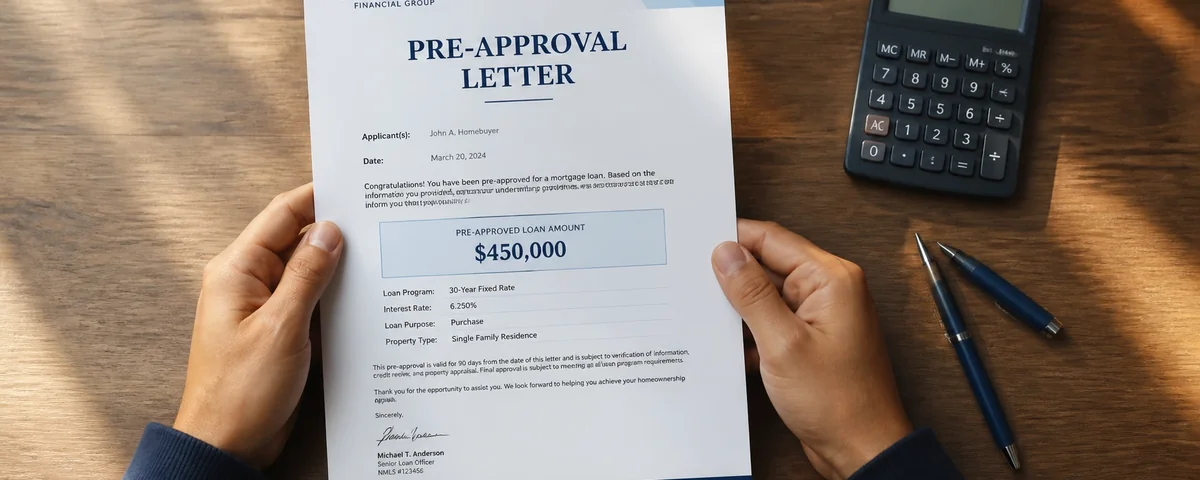
Get pre-approved with a lender who knows Oregon. Oregon has specific rules, programs, and closing customs that differ from other states. Working with a lender who regularly closes in the Portland metro means fewer surprises during the process. Your agent can connect you with lenders they have seen perform well for out-of-state buyers.
For a full walkthrough of the Portland home buying process from pre-approval to closing, see our first-time home buyer guide for Portland. Even if this is not your first purchase, the Portland-specific sections on inspections, earnest money, and closing costs will be valuable if you have never bought in Oregon.
Your First 30 Days: The Practical Checklist
Once you arrive, there are a handful of things Oregon requires or expects within your first few weeks. None of them are difficult, but knowing about them in advance saves you from scrambling.
Driver's license and vehicle registration: Oregon requires you to get an Oregon driver's license and register your vehicle within 30 days of establishing residency. Visit any Oregon DMV office. Bring proof of identity, proof of residency (utility bill, lease, or mortgage statement), and your out-of-state license. Expect a line. Budget an hour.
Voter registration: Oregon votes entirely by mail. You can register at the DMV when you get your license or online through the Oregon Secretary of State's website. Ballots arrive at your home a few weeks before each election.
Set up utilities: Portland General Electric or Pacific Power handles electricity depending on your area. Water and sewer are billed through the City of Portland or your local municipality. Internet providers vary by neighborhood, but Comcast/Xfinity and CenturyLink/Quantum Fiber are the most common options.
Learn the pronunciation: It is "WILL-AM-it" (Willamette), "or-uh-GUN" (Oregon, never "or-uh-GONE"), and "COO-ch" (Couch Street, a downtown street that is not pronounced the way it looks). Getting these right is a small thing, but it signals that you are paying attention.
If you are still in the early stages of deciding whether Portland is the right move, our 7 questions to ask before moving post is a good place to start that self-assessment.
When This Guide Does Not Apply
When This Guide Does Not Apply
This guide is written for people relocating to the Portland metro area from another state who plan to buy or rent a primary residence. If you are moving within Oregon (Eugene to Portland, Bend to Portland), the tax and DMV sections will not apply to you. If you are relocating for a short-term assignment (under a year), renting makes more sense than buying and the home purchase section is less relevant. If you are moving to a rural part of Oregon outside the Portland metro, the cost of living, neighborhood, and transit sections will differ significantly from what is described here.
Frequently Asked Questions About Moving to Portland
What is the cost of living in Portland compared to other cities?
Portland is significantly more affordable than Seattle, San Francisco, and Los Angeles for both housing and daily expenses. It is more expensive than most cities in the Midwest and South. The no-sales-tax advantage helps with everyday purchases, but Oregon's income tax is among the highest in the country. How the math works out for you depends on your income level, spending habits, and where you are coming from.
Does Oregon have sales tax?
No. Oregon is one of five states with no sales tax. The price on the tag is the price you pay, whether you are buying coffee or a car. This applies statewide, not just in Portland. However, Oregon compensates with higher income tax rates, so the overall tax burden depends on your income bracket.
What is the weather really like in Portland?
Portland gets about 155 days of measurable precipitation per year, but it is rarely heavy rain. It is a persistent light drizzle from roughly November through May. Summers are warm, dry, and genuinely beautiful, with low humidity and long daylight hours. Recent years have also brought heat waves and wildfire smoke during summer months. Snow is rare but disruptive when it happens.
What are the best areas to live in the Portland metro?
That depends entirely on your priorities. Inner Southeast and Northwest Portland are walkable and restaurant-dense. Beaverton and Hillsboro are close to tech employers with newer homes and strong schools. Lake Oswego and West Linn are premium communities with top-rated schools. Tigard and Tualatin offer more affordable options with good freeway access. A local agent can help you match your commute, budget, and lifestyle to the right area before you start touring homes.
Can I buy a home in Portland from out of state?
Yes, and many people do. The key is working with a local agent and a lender who knows Oregon's market before you start browsing listings. Virtual tours can show you a house but not a neighborhood. Plan at least one in-person visit to tour your top areas. Your agent can coordinate multiple showings to make the most of a weekend trip.
How long do I have to get an Oregon license after moving?
Oregon requires you to obtain an Oregon driver's license and register your vehicle within 30 days of establishing residency. You can do both at any Oregon DMV office. Bring proof of identity, proof of Oregon residency, and your current out-of-state license.
Is Portland a good place to raise a family?
The Portland metro has strong options for families, particularly in the suburban communities. School quality varies significantly by district and area, so researching specific schools rather than relying on general rankings is important. Access to outdoor recreation, parks, and community programming is excellent across most of the metro. The right neighborhood choice is everything when it comes to the family experience, and a local agent who knows the area can help you focus on the communities that match what matters most to your family.
What industries and employers are in Portland?
Portland's economy is anchored by technology (Intel, the largest private employer, plus a growing startup ecosystem), athletic and outdoor brands (Nike, Adidas, Columbia Sportswear), healthcare (OHSU, Providence, Legacy Health), and manufacturing. Remote work is also well established in the Portland culture, with co-working spaces and remote-friendly infrastructure throughout the metro. The job market is competitive, but the diversity of industries provides options across multiple fields.
Thinking About Making the Move to Portland?
Whether you are six months away or already packing boxes, the right local guidance makes the difference between a great move and an expensive lesson. If you want to talk through neighborhoods, the market, or what your budget looks like here, I am happy to help.
Homes for Sale in Portland Metro
Browse current listings across the Portland metro area.
Data verified: April 2026
Data Sources and References (as of April 2026):
The information in this post is for general educational purposes and does not constitute financial, legal, or tax advice. Tax rates and local assessments change. Consult a qualified tax professional for guidance specific to your situation before making a relocation decision.
Saling Homes at eXp Realty is committed to equal housing opportunity. We do not discriminate on the basis of race, color, religion, sex, handicap, familial status, or national origin.
Categories
- All Blogs (93)
- Buying a Home (35)
- Community Page (14)
- Downsizing (7)
- Home Buying Process (7)
- Homeownership (6)
- Increasing Your Homes Value (4)
- Local Events (2)
- Market Update (21)
- Mortgage Information (9)
- Neighborhood Eats and Experiences (1)
- neighborhood info (3)
- Real Estate News (15)
- Selling Your Home (20)
Recent Posts









GET MORE INFORMATION