

OR Portland
Bridgeton





Living in Bridgeton
A Columbia River waterfront pocket on the north edge of Portland with floating homes, riverfront condos, and direct access to the 40-Mile Loop trail.
Updated April 2026 by Joe SalingWhat Bridgeton Is Really Like
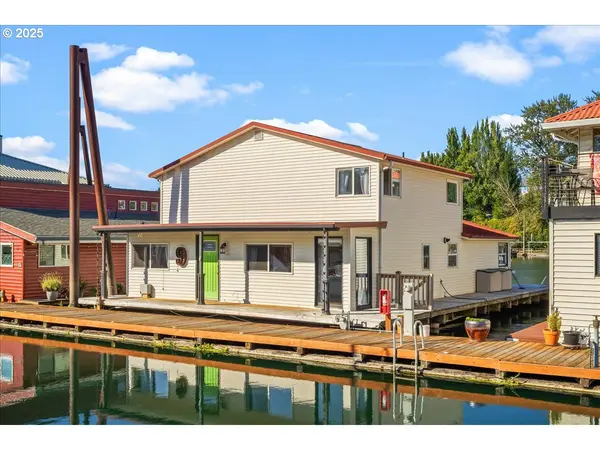
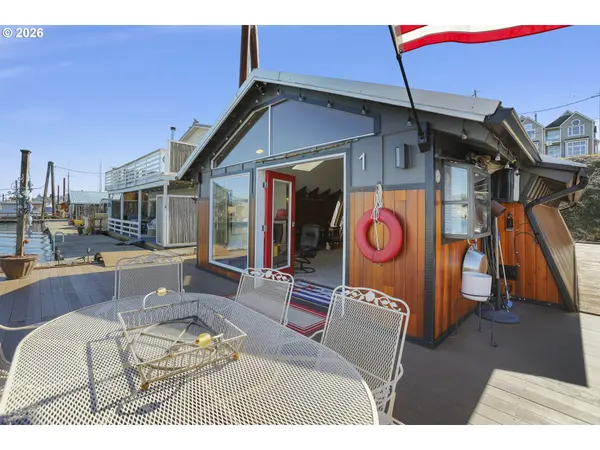
Bridgeton is one of Portland's smallest and most distinctive neighborhoods, a narrow sliver sandwiched between the Columbia River to the north and N Marine Drive to the south, running roughly from the I-5 bridge approach on the west to the Northeast Portland boundary on the east. The defining geography is water. Floating home moorages, riverfront condo buildings, and the Columbia River itself shape almost every block, with the 40-Mile Loop trail (part of the regional Columbia River Levee Trail system) running the length of the neighborhood's south edge. From many Bridgeton addresses you can see Mount Hood on a clear morning and watch ship traffic on the shipping channel.
A weekday morning here sounds like I-5 traffic over the Interstate Bridge in the distance, occasional tug and barge traffic on the Columbia, and cyclists and runners on the Marine Drive levee path. Evenings shift toward the water: residents walking moorage docks, boats pulling in and out of slips, and the low hum of the bridge after sunset. Summer weekends are active, with marina traffic, the Hayden Island restaurant crowd on the neighborhood's western edge, and steady use of the riverfront trails.
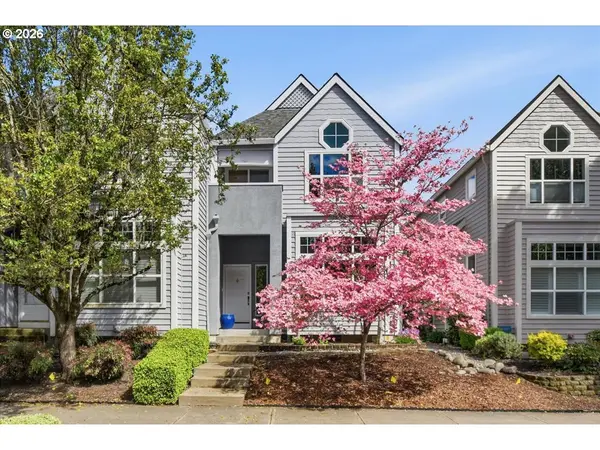
On residential blocks, Bridgeton mixes three distinct housing forms: long-established floating home moorages, mid-rise riverfront condominiums, and a small stock of newer townhomes and single-family homes on the narrow strip of land between Marine Drive and the levee. The neighborhood feels compact because it is; you can walk end-to-end in under 20 minutes along the trail. The Bridgeton Neighborhood Association is small but active, and the waterfront character gives the area a recreational, boat-adjacent daily rhythm that no other Portland neighborhood quite matches.
Looking for broader context on the area? Read my full North Portland relocation guide for how Bridgeton fits into the wider district.
Homes and Architecture in Bridgeton
Bridgeton has three distinct housing categories that trade very differently. Floating homes on moorages like Bridgeton Marina and Jantzen Bay come in a range of eras and sizes, from 1970s originals to custom modern rebuilds, and trade as personal property rather than real estate in most cases (moorage slip rent is separate from the home purchase). Waterfront condominium buildings from the 1990s and 2000s account for a large share of the on-land inventory, with HOA fees that commonly include access to docks, pools, or river-facing common areas. A small layer of newer townhomes and single-family homes from the 2010s and later has filled in some of the remaining developable lots along Marine Drive.
When you shop here, the due diligence is very different from a conventional single-family neighborhood. For floating homes, you are evaluating the flotation (foam, concrete, or steel), the slip lease, the moorage association's rules and financials, and the lender universe (which is narrower than for on-land homes). For condos, pull the HOA docs, reserves, and any pending special assessments; waterfront buildings carry higher maintenance exposure than typical. For on-land homes, FEMA flood zone mapping is the single most important item to verify before writing an offer, since flood insurance requirements and premiums can meaningfully affect carrying cost. Expect a smaller, specialized buyer pool on exit; Bridgeton is rarely an impulse purchase.
- Floating homes
- Waterfront condos
- Newer townhomes
- Narrow riverfront lots
- Specialty waterfront pricing
Geography, Amenities, and Getting Around
Columbia River Waterfront
The Columbia River is the entire identity of Bridgeton. Floating home moorages, private docks, and riverfront condominium patios all open directly onto the river, with views north toward Vancouver, east toward Mount Hood on clear days, and active shipping channel traffic day and night. No other Portland neighborhood sits directly on the Columbia like this.
Hayden Island & Jantzen Beach
Full-service grocery (Safeway at Jantzen Beach) and big-box shopping (Target, Home Depot) sit on Hayden Island about 3 to 5 minutes by car across the I-5 bridge approach. For restaurants, the Hayden Island waterfront has multiple spots, and the Sauvie Island turnoff is a short drive west. Inner North Portland dining on N Mississippi and Williams is 10 to 12 minutes away.
40-Mile Loop & Marine Drive Trail
The Marine Drive levee trail, part of the regional 40-Mile Loop, runs the length of Bridgeton's south edge and connects east to Broughton Beach and west toward the I-5 bridge. It's a flat, paved, river-facing path that functions as the neighborhood's front-door recreation, used daily by walkers, runners, and cyclists. For boaters, multiple marinas offer moorage and river access.
Getting Around
Bridgeton is car-oriented. I-5 access is immediate via the neighborhood's western edge, putting downtown Portland at 15 to 20 minutes off-peak and PDX airport at about 10 minutes. The MAX Yellow Line is about 10 minutes away at the Delta Park station via N Denver or N Interstate. Peak-hour I-5 traffic north of the bridge can significantly extend drives, and bridge lifts occasionally stop traffic entirely.
Joe's Take on Bridgeton
When buyers tell me they want to live on the water in Portland, Bridgeton is one of only two or three neighborhoods that actually delivers it, and it's the one with the most variety of housing options. You can buy a floating home, a riverfront condo, or a newer on-land home within the same quarter-mile stretch, all with direct access to the Columbia and the 40-Mile Loop trail. The honest trade-off is that Bridgeton is not a walk-to-everything neighborhood. There are no grocery stores or coffee shops within the residential blocks themselves; the commercial amenities are on Hayden Island or in inner North Portland, and both require a car or a short bike ride.
The housing stock and location suit buyers who prioritize waterfront access over corridor walkability, who are comfortable with the specialized nature of floating homes or waterfront condos, and who do not need a daily downtown commute. It works well for remote workers, anyone with a boat, and buyers who want the recreational character the river and trail system provide. It is less of a fit for buyers who want a traditional single-family block with walkable dining, or who need the widest possible lender and buyer pool on exit.
Before you write an offer in Bridgeton, the due diligence is more specialized than in most Portland neighborhoods. For floating homes, review the moorage lease carefully (length of remaining term, fee escalation provisions, association financials) and confirm lender availability before you commit; many conventional lenders will not finance floating homes, so your pool may be limited to a handful of specialty lenders. For condos, read the HOA reserve study and look for any pending special assessments, especially on older waterfront buildings where dock and seawall maintenance is a real expense. For on-land homes, pull the FEMA flood zone status at msc.fema.gov and price in flood insurance if required. Finally, confirm the specific school boundary at pps.net, since Bridgeton sits in a district pocket that some buyers do not expect.
Frequently Asked Questions About Bridgeton
How do home prices in Bridgeton compare to the rest of North Portland?
Bridgeton prices are difficult to compare directly to the rest of North Portland because the inventory is mostly waterfront condos and floating homes rather than conventional single-family homes. Floating home prices vary widely based on size, era, flotation type, and moorage location, and the moorage slip rent is a separate monthly cost on top of the purchase. Waterfront condos typically price in the mid-to-upper North Portland range on a total-purchase basis, with HOA fees adding meaningful carrying cost. The current average sales price and active listing count are shown at the top of this page and update automatically with the market.
What are property taxes like in Bridgeton?
Multnomah County property taxes on on-land homes and condos in Bridgeton run at an effective combined rate of approximately 1.3% to 2.1% of assessed value, in line with the rest of the county. Floating homes are taxed differently; they are typically classified as personal property rather than real estate, which changes both the tax treatment and the available financing. Oregon Measure 50 caps assessed value growth on real property at 3% per year. Verify current rates and the specific assessment for any address you are considering at multco.us/assessment-taxation, and confirm property type with the county if you are evaluating a floating home.
Which schools serve Bridgeton?
Bridgeton is served by Portland Public Schools. The default assignments typically include elementary, middle, and high school options along the Jefferson and Roosevelt feeder patterns depending on the specific address, but because Bridgeton's geography is unusual, school boundaries can be less intuitive than in other North Portland neighborhoods. Portland Public Schools uses open enrollment, so residents can apply to any PPS school regardless of address, though acceptance at oversubscribed schools is not guaranteed. Always verify the specific address assignment with the PPS boundary finder at pps.net.
What is the housing stock like in Bridgeton?
Bridgeton's housing stock is dominated by three categories: floating homes on private and association moorages along the Columbia River, mid-rise waterfront condominium buildings from the 1990s and 2000s, and a smaller layer of newer townhomes and single-family homes from the 2010s and later on the narrow strip between Marine Drive and the levee. Most residences have direct river views or very short access to the water. Amenity access is defined by the 40-Mile Loop trail on the south edge, multiple marinas along the riverfront, and proximity to Hayden Island for grocery and shopping.
How long is the commute from Bridgeton to downtown Portland?
Downtown Portland is typically 15 to 20 minutes by car via I-5 outside of peak hours. Peak-hour drives can push to 25 to 35 minutes, especially during the northbound I-5 afternoon rush and any time the Interstate Bridge lifts for ship traffic. The nearest MAX Yellow Line station is at Delta Park, roughly 10 minutes away via N Denver or N Interstate, which adds a transfer but provides a traffic-free alternative. PDX airport is one of Bridgeton's closest amenities, about 10 minutes east on Marine Drive.
Is Bridgeton walkable?
Bridgeton is a low-walkability neighborhood for daily errands and a high-walkability neighborhood for recreation, which is an unusual combination. There are no grocery stores, coffee shops, or retail services within the residential blocks themselves, so residents drive or bike to Hayden Island or into inner North Portland for daily needs. However, the 40-Mile Loop trail runs directly along the south edge, which makes walking, running, and cycling the river-facing trail a daily activity for most residents. Walk Scores in the neighborhood are generally low, but recreational walkability along the water is excellent.
How does Bridgeton compare to nearby North Portland neighborhoods?
Bridgeton is effectively incomparable to inner North Portland neighborhoods on a per-square-foot basis because the housing forms are so different. The closest comparison is Hayden Island to the west, which also has floating homes and waterfront condos but includes a retail center and more commercial density. Inner North Portland neighborhoods like Kenton, Arbor Lodge, and Overlook offer conventional single-family housing at generally lower price points than Bridgeton waterfront condos, with walkable commercial corridors Bridgeton does not have. Bridgeton is the pick when direct Columbia River access and a waterfront daily rhythm matter more than corridor walkability or traditional housing.
Can I add an ADU or short-term rental in Bridgeton?
ADU potential in Bridgeton is limited compared to conventional single-family neighborhoods. Floating homes cannot add ADUs, and condominium units are governed by HOA rules that typically prohibit short-term rentals and any structural additions. On-land single-family lots may be eligible under Portland's Residential Infill Project rules, but the narrow lot dimensions in Bridgeton can make physical construction challenging. Short-term rentals require a City of Portland STR permit and, for condos, explicit HOA approval, which is rarely granted in waterfront buildings. Verify ADU eligibility, STR permit type, and any HOA restrictions before counting on rental income at portland.gov/bds.
Thinking About Buying in Bridgeton?
I help buyers navigate North Portland neighborhoods every week. Let's talk about what you need, what you can afford, and whether Bridgeton is the right fit.
Schedule a Free Consultation Or call Joe directly: (503) 910-7364Joe Saling · Saling Homes at eXp Realty · 10+ years serving Portland metro buyers and sellers
Saling Homes at eXp Realty is committed to the principles of the Fair Housing Act and Equal Housing Opportunity. Licensed in the State of Oregon. Information deemed reliable but not guaranteed. Verify all data independently before making real estate decisions.
MY BLOGS



MARKET TRENDS

HOUSING DETAIL
NEARBY SCHOOL & BUSINESS
205 N Bridgeton RD #09W, Portland, OR 97217
Single Family Home 3 Beds 2 Baths 2,009 SqFt
Listed by eXp Realty, LLC
531 N Bridgeton RD #4, Portland, OR 97217
Single Family Home 2 Beds 2 Baths 1,168 SqFt
Listed by Premiere Property Group, LLC531 N Bridgeton RD #2, Portland, OR 97217
Single Family Home 1 Bed 1 Bath 720 SqFt
Listed by Premiere Property Group, LLC442 N BRIDGETON RD, Portland, OR 97217
Townhouse 2 Beds 2.1 Baths 2,570 SqFt
Listed by Windermere Realty Trust905 N HARBOUR DR #8, Portland, OR 97217
Condo 4 Beds 4 Baths 2,600 SqFt
Listed by NextHome Realty Connection535 NE Bridgeton RD #1, Portland, OR 97211
Single Family Home 1 Bed 1 Bath 1,177 SqFt
Listed by MORE Realty209 N Bridgeton RD, Portland, OR 97217
Single Family Home 2 Beds 1 Bath 963 SqFt
Listed by Divine NW Realty875 N HARBOUR DR, Portland, OR 97217
Townhouse 3 Beds 2.1 Baths 2,584 SqFt
Listed by Works Real Estate331 NE Bridgeton #7, Portland, OR 97211
Single Family Home 3 Beds 2 Baths 1,560 SqFt
Listed by MORE Realty905 N HARBOUR DR #32, Portland, OR 97217
Townhouse 4 Beds 4 Baths 2,681 SqFt
Listed by HomeSmart Realty Group415 N Bridgeton ##A, Portland, OR 97217
Single Family Home 2 Beds 2 Baths 1,647 SqFt
Listed by Harbor Properties905 N HARBOUR DR ##6, Portland, OR 97217
Condo 3 Beds 3.1 Baths 2,667 SqFt
Listed by Cascade Hasson Sotheby's International Realty2 12 NE BRIDGETON RD, Portland, OR 97211
Vacant Land 0.06 Acres
Listed by Premiere Property Group, LLC

Coming Soon
Commute Score
Coming Soon
Coming Soon
DEMOGRAPHICS
Population:
Density:
Households:
Gender
Coming Soon
Coming Soon
Coming Soon
Coming Soon

Joe Saling
joe@sellingpdxhomes.com