

OR Portland
Kenton
Kenton is a historic North Portland neighborhood built around a walkable commercial corridor along N Denver Avenue, anchored by the landmark 31-foot Paul Bunyan statue. Early-1900s Craftsman bungalows and foursquares line the residential blocks, and the MAX Yellow Line's Kenton Station connects the neighborhood directly to downtown.




Living in Kenton
A historic walkable corridor along N Denver Avenue anchored by the Paul Bunyan statue, with early-1900s bungalows, independent restaurants, and direct MAX Yellow Line access to downtown.
Updated April 2026 by Joe SalingWhat Kenton Is Really Like
Kenton sits in North Portland between I-5 to the west, the Columbia Slough to the north, and the Willamette River to the far west at its edge. The heart of the neighborhood is the N Denver Avenue commercial corridor, a short walkable strip anchored by the 31-foot Paul Bunyan statue at N Denver and N Interstate that has stood since 1959 and is listed on the National Register of Historic Places. The residential blocks radiate east and south from the corridor, with tree-lined streets of early-1900s bungalows and foursquares originally built for Kenton's history as a company town for the Swift Meatpacking plant.
A weekday morning here is coffee-shop chatter at Posies Bakery & Cafe, the Yellow Line MAX stopping at Kenton/N Denver Station, and bike commuters rolling south on the N Denver bike lane toward downtown. By lunchtime the corridor fills with regulars at Assembly Brewing, Marlow, and the Ranger Station, and by evening the bars and restaurants along N Denver draw residents from across North Portland. Weekend rhythms shift toward the Kenton Park corner, the Sunday farmers market in summer (May through September), and the Columbia Slough trail system for walkers and cyclists.
On residential blocks you will see porch gardens, bike-commuter setups, remote workers on coffee runs, and dog walkers looping toward Kenton Park or the Columbia Slough. The Historic Kenton Neighborhood Association stays active on corridor preservation and the neighborhood has a recognizable small-town feel within a big-city framework: most commercial business owners live within a mile, and the corridor feels like a single walkable block rather than a series of disconnected storefronts. The neighborhood is one of North Portland's more walkable pockets.
Looking for broader context on the area? Read my full North Portland relocation guide for how Kenton fits into the wider district.
Homes and Architecture in Kenton
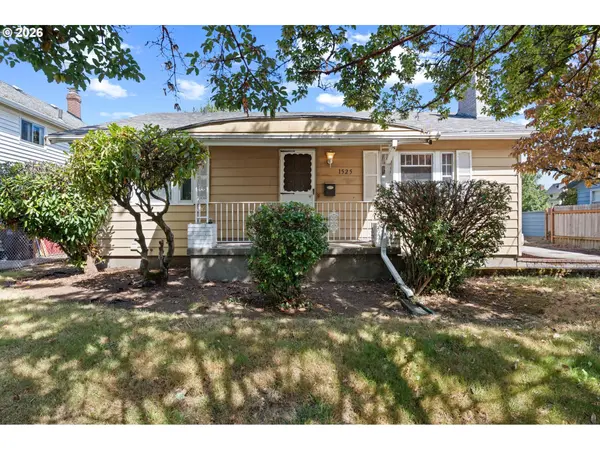
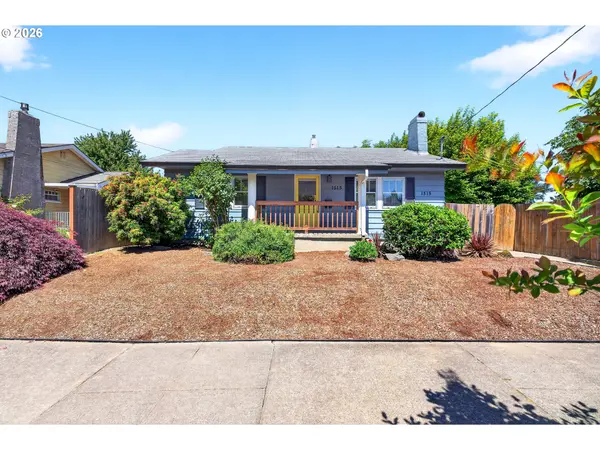
Kenton's housing stock is predominantly early-1900s, with Craftsman bungalows and foursquares from the 1905 to 1930 era making up most of the inventory. The neighborhood was built out quickly to house workers at the Swift Meatpacking plant, which gives Kenton a consistent streetscape of modestly-scaled homes on 3,000 to 5,000 square foot lots. A smaller layer of mid-century ranches appears on the eastern and southern edges, and a steady stream of New Traditional infill homes and townhouses has been added over the last 15 years as Portland's Residential Infill Project has allowed more density on smaller lots.
When you shop here, expect most bungalow listings to show a mix of original features (oak floors, built-ins, leaded glass) and varying degrees of modernization in kitchens, baths, and systems. Competitive dynamics are real but less intense than in Boise or Overlook: Kenton draws multiple offers on well-updated homes near the corridor but negotiates more on homes that need work or sit closer to I-5 noise. Two recurring inspection items to price in: cast-iron sewer laterals at 100-plus years old, and knob-and-tube electrical that has not been fully replaced. Both are common and manageable but show up often enough in Kenton that you should underwrite for them.
- Craftsman bungalows
- Foursquares
- New Traditional infill
- 3,000 to 5,000 sq ft lots
- Mid-range for North Portland
Dining, Parks, and Daily Life
Assembly Brewing
Detroit-style pizza and house-brewed beer in the heart of the N Denver corridor. Assembly has been a Kenton anchor for years and remains one of the busiest spots in the neighborhood on weekend evenings, with outdoor seating in warm months.
Marlow
A seasonal Pacific Northwest menu in the middle of the Kenton corridor. Marlow has become a destination spot that pulls diners from across North Portland and is commonly recommended for a nicer night out without leaving the neighborhood.
Posies Bakery & Cafe
The corridor's longest-running coffee shop and community gathering spot, tucked just off N Denver on N McClellan. Posies handles the daily coffee rhythm for most of Kenton's remote workers and early-morning regulars and hosts events on weekends.
Kenton Park
Kenton Park sits at N Delaware and N Schofield with a playground, baseball fields, tennis courts, basketball courts, and open lawn space. The park hosts the seasonal Kenton Farmers Market (Friday evenings, May through September) and is the primary gathering space for neighborhood events.
Daily Errands
Fred Meyer on N Interstate handles groceries and pharmacy within a 5-minute drive south. New Seasons Market at the University Park or Williams locations is about 7 to 10 minutes. Winks Hardware and Beaumont Hardware serve most of North Portland's hardware needs and are a short drive. Walgreens sits on the corridor for everyday prescriptions.
Getting Around
The MAX Yellow Line's Kenton/N Denver Station sits at the heart of the corridor, putting downtown Portland about 20 to 25 minutes away by train. Drivers hit I-5 in 3 to 4 minutes for a 12 to 18 minute downtown drive off-peak. N Denver itself has a protected bike lane connecting south to the broader bike network, and TriMet bus service runs along Lombard and Interstate.
Joe's Take on Kenton
When buyers tell me they want walkable North Portland with a real commercial corridor but are priced out of Boise or Overlook along Mississippi and Williams, Kenton is almost always my first suggestion. You get a genuine walkable strip along N Denver, the MAX Yellow Line stop at the center of the neighborhood, and pre-war bungalows on modest lots at prices that typically run below the inner Mississippi-Williams blocks. The trade-off is corridor length. Kenton's walkable stretch is maybe six blocks, not the two-mile density you get on Mississippi, and once you step off N Denver you are in a purely residential footprint.
The housing stock and location suit buyers who want a pre-war bungalow with actual walkability to restaurants and coffee, who value MAX Yellow Line access to downtown over a short car commute, and who do not mind a smaller lot in exchange for corridor proximity. It is less of a fit for buyers who want newer construction with modern systems, who need a large yard, or who want to be within walking distance of a full-service grocery (that is still a short drive to Fred Meyer or New Seasons).
Before you write an offer in Kenton, there are a few specifics worth checking. I-5 noise varies significantly across the neighborhood; homes on the western edge near N Delaware hear substantially more freeway than homes closer to N Denver or east toward N Interstate. Drive your specific address at evening rush hour and with windows open to hear it for yourself. Pull the sewer scope on pre-1940 homes; cast-iron laterals at 100-plus years old commonly show root intrusion and partial replacement runs roughly 8K to 15K. Verify knob-and-tube electrical status, since some insurers will not write policies on homes with active knob-and-tube, and replacement is a five-figure job. Finally, check the specific school boundary at pps.net, since Portland Public Schools boundaries have shifted in this part of North Portland and could again.
Frequently Asked Questions About Kenton
How do home prices in Kenton compare to the rest of North Portland?
Kenton typically prices in the middle of the North Portland range, generally below Boise and Overlook (the Mississippi and Williams corridor) and roughly in line with Portsmouth and parts of St. Johns. The walkable N Denver corridor, the MAX Yellow Line station at the center of the neighborhood, and the pre-war housing stock all push prices up; the smaller lot sizes and I-5 proximity on the western edge pull prices down relative to the Mississippi-Williams premium blocks. The current average sales price and active listing count are shown at the top of this page and update automatically with the market.
What are property taxes like in Kenton?
Multnomah County property taxes in Kenton run at an effective combined rate of approximately 1.3% to 2.1% of assessed value. A typical single-family home carries an annual property tax bill of roughly several thousand dollars to around eight thousand dollars, depending on assessed value and any local tax measures in effect. Oregon Measure 50 caps assessed value growth at 3% per year, so long-held homes often pay less than their market value would suggest. Verify current rates and the specific assessment for any address you are considering at multco.us/assessment-taxation.
Which schools serve Kenton?
Kenton is served by Portland Public Schools. Default assignments typically run to Chief Joseph-Ockley Green K-8, with middle grades continuing at Ockley Green and high school students assigned to Roosevelt High School. Portland Public Schools uses open enrollment, so residents can apply to any PPS school regardless of address, though acceptance at oversubscribed schools is not guaranteed. Verify the specific address assignment with the PPS boundary finder at pps.net, since boundaries can change.
What is the housing stock like in Kenton?
Housing stock is predominantly early-1900s Craftsman bungalows and foursquares built out between roughly 1905 and 1930 on 3,000 to 5,000 square foot lots. Mid-century ranches appear on the southern and eastern edges, and New Traditional infill homes and townhouses have been added over the last 15 years under Portland's Residential Infill Project rules. Amenity access includes Kenton Park (approximately 12 acres with playgrounds, ball fields, and tennis courts), the N Denver Avenue commercial corridor, the Columbia Slough trail system to the north, and the MAX Yellow Line Kenton Station.
How long is the commute from Kenton to downtown Portland?
Downtown Portland is typically 12 to 18 minutes by car via I-5 outside of peak hours, or 20 to 25 minutes on the MAX Yellow Line from the Kenton/N Denver Station at the center of the neighborhood. Peak-hour drives can stretch to 25 to 35 minutes, which is why many Kenton residents default to the MAX for daily downtown commutes. Bike commuters use the N Denver protected bike lane, which connects south to the broader North Portland bike network and crosses to the Eastbank Esplanade toward downtown.
Is Kenton walkable?
Kenton is one of the more walkable pockets of North Portland within a compact footprint. The N Denver Avenue corridor between roughly N McClellan and N Schofield offers a walkable strip of restaurants, bars, coffee shops, and small retail, anchored by the Paul Bunyan statue at N Denver and N Interstate. Walk Scores near the corridor typically land in the 70s to low 80s. Residential blocks a few streets off N Denver walk in the 50s to 60s; daily groceries still require a short drive to Fred Meyer or New Seasons. For bike access, the N Denver protected lane is one of the better north-south connections in the district.
How does Kenton compare to nearby North Portland neighborhoods?
Kenton typically prices below Boise and Overlook (the Mississippi and Williams corridor) and runs roughly parallel to Portsmouth and parts of St. Johns. Boise and Overlook offer a longer, denser commercial corridor; Kenton offers a tighter, more historic walkable block with lower average prices. St. Johns has its own downtown feel with a cinema and a broader restaurant scene; Kenton is more compact. Portsmouth is primarily residential with fewer corridor amenities. University Park trades some commercial density for a higher-rated public elementary school. Kenton is the pick when a walkable historic corridor, the MAX Yellow Line stop, and a pre-war bungalow at a mid-range North Portland price is the target.
Can I add an ADU or short-term rental in Kenton?
Most Kenton lots are eligible for an accessory dwelling unit under Portland's Residential Infill Project rules, which allow up to one ADU on a single-family lot. The smaller Kenton lot sizes (often 3,000 to 5,000 square feet) can constrain what is buildable compared to larger lots elsewhere in Portland, so confirm the specific setback, height, and lot coverage rules for your address. Short-term rentals require a City of Portland STR permit; Type A permits require owner-occupancy, and Type B permits (non-owner-occupied) have stricter limits and are harder to obtain. Verify both ADU eligibility and STR permit type for your specific address with Portland Bureau of Development Services (portland.gov/bds) before counting on rental income.
Thinking About Buying in Kenton?
I help buyers navigate North Portland neighborhoods every week. Let's talk about what you need, what you can afford, and whether Kenton is the right fit.
Schedule a Free Consultation Or call Joe directly: (503) 910-7364Joe Saling · Saling Homes at eXp Realty · 10+ years serving Portland metro buyers and sellers
Saling Homes at eXp Realty is committed to the principles of the Fair Housing Act and Equal Housing Opportunity. Licensed in the State of Oregon. Information deemed reliable but not guaranteed. Verify all data independently before making real estate decisions.
MY BLOGS



Market Trends
housing detail

Coming Soon
Listing Detail
8519 N BAYARD AVE, Portland, OR 97217
3 Beds 1 Bath 995 SqFt
Single Family Home
Listed by Willcuts Company Real Estate
9126 N SEWARD AVE, Portland, OR 97217
3 Beds 2.1 Baths 1,561 SqFt
Single Family Home
Listed by Works Real Estate8823 N ENDICOTT AVE, Portland, OR 97217
2 Beds 2.1 Baths 1,056 SqFt
Townhouse
Listed by Paris Group Realty LLC7644 N BRANDON AVE, Portland, OR 97217
3 Beds 3 Baths 2,531 SqFt
Single Family Home
Listed by Kelly Right Real Estate of Portland, LLC7609 N DRUMMOND AVE, Portland, OR 97217
2 Beds 1.1 Baths 1,214 SqFt
Townhouse
Listed by Real Broker3534 N TRENTON ST, Portland, OR 97217
3 Beds 1 Bath 858 SqFt
Single Family Home
Listed by Cascade Hasson Sotheby's International Realty2723 N HOUGHTON ST, Portland, OR 97217
3 Beds 3 Baths 1,467 SqFt
Single Family Home
Listed by Keller Williams PDX Central1706 N WINCHELL ST, Portland, OR 97217
3 Beds 2.1 Baths 2,178 SqFt
Single Family Home
Listed by Think Real Estate8280 N BURRAGE AVE, Portland, OR 97217
3 Beds 2.1 Baths 1,954 SqFt
Single Family Home
Listed by Keller Williams PDX Central3119 N KILPATRICK ST, Portland, OR 97217
4 Beds 2 Baths 1,900 SqFt
Single Family Home
Listed by Think Real Estate2325 N Lombard ST #3, Portland, OR 97217
2 Beds 2.1 Baths 888 SqFt
Townhouse
Listed by Keller Williams Realty Portland Premiere7604 N WASHBURNE AVE, Portland, OR 97217
3 Beds 2.1 Baths 2,135 SqFt
Single Family Home
Listed by Peter Champ Real Estate LLC3122 N Hunt ST, Portland, OR 97217
2 Beds 2.1 Baths 924 SqFt
Condo
Listed by Delavan Realty Inc9213 N ENDICOTT AVE, Portland, OR 97217
3 Beds 2.1 Baths 1,624 SqFt
Single Family Home
Listed by Premiere Property Group, LLC2323 N TERRY ST, Portland, OR 97217
3 Beds 1 Bath 1,017 SqFt
Single Family Home
Listed by Keller Williams Realty Portland Premiere3807 N JUNEAU ST, Portland, OR 97217
3 Beds 1 Bath 988 SqFt
Townhouse
Listed by eXp Realty, LLC8411 N DENVER AVE, Portland, OR 97217
19,100 SqFt
Commercial
Listed by Keller Williams PDX Central2315 N LOMBARD ST, Portland, OR 97217
3,020 SqFt
Multi-Family
Listed by Opt7560 N Emerald AVE, Portland, OR 97217
170,005 SqFt
Multi-Family
Listed by Keller Williams Realty Portland PremiereN TYNDALL AVE, Portland, OR 97217
0.17 Acres
Vacant Land
Listed by Windermere Realty Trust
Commute Score
Coming Soon
demographics
Population
Density
Households
Gender
Coming Soon
Education
Coming Soon
Coming Soon
Coming Soon

GET MORE INFORMATION