

OR Portland
Lents
Lents is one of Portland's oldest and largest neighborhoods, originally platted as the Town of Lent in 1892 and centered today on the Lents Town Center at SE Foster Road and 92nd Avenue. The neighborhood has direct MAX Green Line access, Springwater Corridor bike-trail frontage, and an international restaurant scene anchored by Zoiglhaus Brewing, Bella's Italian Bakery, and Walker Stadium (home of the Portland Pickles). Housing stock ranges from pre-war cottages to post-war ranches to 21st-century infill homes.



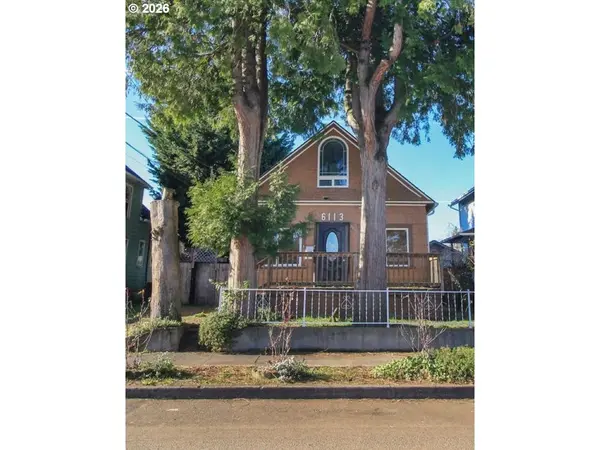

Living in Lents
One of Portland's oldest town-center neighborhoods, rebuilt around the Lents Town Center MAX station with Zoiglhaus, Bella's Italian Bakery, Walker Stadium, and direct Springwater Corridor access.
Updated April 2026 by Joe SalingWhat Lents Is Really Like
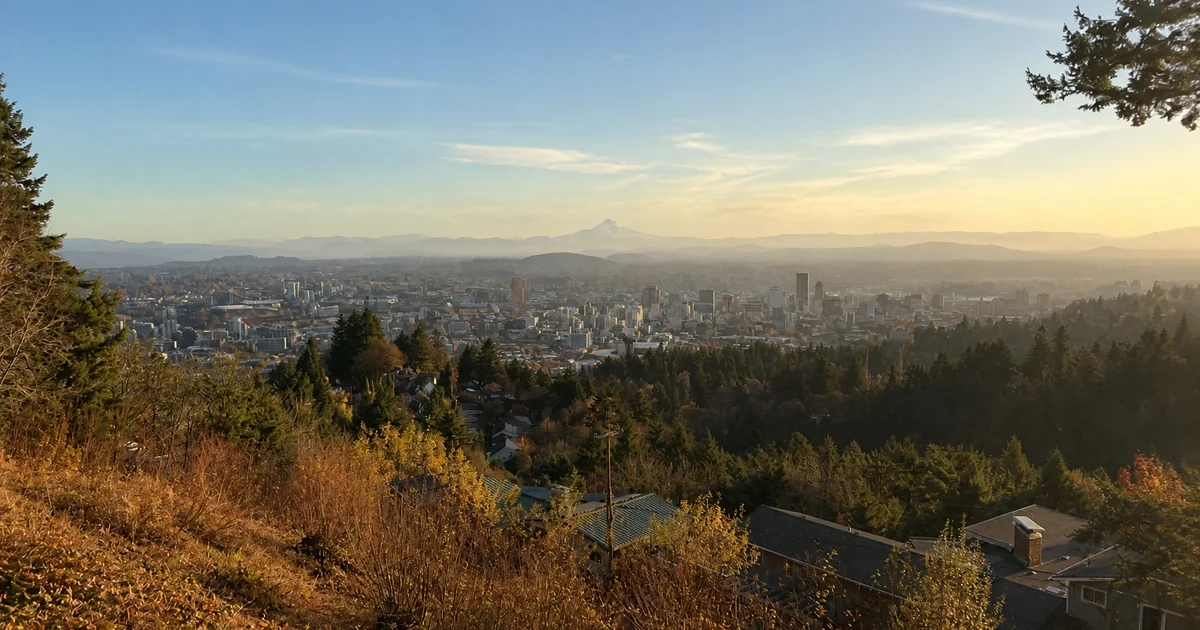
Lents sits about six miles southeast of downtown Portland, bordered by SE Powell Boulevard on the north, the Clackamas County line on the south, SE 82nd Avenue on the west, and roughly SE 112th on the east. At 3.75 square miles, it is one of the largest and oldest neighborhoods in the city, originally platted in 1892 by Oliver P. Lent as a self-sufficient town before Portland annexed it in 1912. The defining feature today is the Lents Town Center at the intersection of SE Foster Road and SE 92nd, where the MAX Green Line crosses three major arterials (Powell, Foster, and 82nd) and I-205 cuts diagonally through the original townsite.
A weekday morning in Lents sounds like MAX trains pulling into the Lents Town Center station, the Springwater Corridor's bike commuters rolling west toward downtown, and traffic moving through the Foster-92nd intersection where Oliver Station, Lents Commons, and Asian Health and Services Center frame the corner. Weekends shift toward the Lents International Farmers Market (in season), Walker Stadium for Portland Pickles baseball games, and the restaurants along Foster that draw visitors from across the southeast. Evenings bring residents out on the Springwater Corridor for walks and bike rides, or to Zoiglhaus Brewing's taproom on 92nd.
On residential blocks you will see gardens spilling over fences, bungalow owners working on porches, cyclists heading for the 205 multi-use path, and a visible layer of Asian, Russian, Eastern European, and Latino small-business owners that gives Lents a genuinely international commercial strip. The Lents Town Center Urban Renewal investment has driven more than $200 million in infrastructure, housing, and business development over the past two decades, but much of the interior residential fabric remains pre-war cottages and post-war ranches on deep lots. Lents is one of the few Portland neighborhoods where the sense of "original town" is still visible in the street grid.
Looking for broader context on the area? Read my full East Portland relocation guide for how Lents fits into the wider district.
Homes and Architecture in Lents
Lents has one of the widest housing stock ranges in Portland. Pre-1940 cottages and bungalows from the original Town of Lent era sit alongside 1940s through 1960s post-war bungalows and ranches, which are the numerical majority of single-family stock. Scrape-and-build activity from the urban renewal era produced a layer of New Traditional infill homes, ADUs, and narrow-lot townhomes from roughly 2010 forward. Along Foster, 92nd, and the MAX stations, Oliver Station and Lents Commons added mixed-income apartments over ground-floor retail, and more mid-rise construction is in the pipeline on Prosper Portland's 4.4-acre site at 92nd and Harold. Lot sizes run from tight 3,000 square foot infill parcels up to original 7,000 to 10,000 square foot town-era lots on quieter interior blocks.
When you shop Lents, expect meaningful block-by-block variation. Some streets have been steadily remodeled over the past decade with updated kitchens, baths, and systems; others still hold original cast-iron plumbing, knob-and-tube wiring, and cosmetic work deferred from decades ago. Competitive dynamics fall in the middle of the Portland range, with updated homes on quieter blocks drawing multiple offers while fixer-stock on the I-205 edge negotiates more. The biggest variable is proximity to I-205. Homes within a few blocks of the freeway, especially on the east side of the cut, deal with more road noise and air quality tradeoffs than blocks west or south toward Brentwood-Darlington.
- Pre-war cottages & bungalows
- Post-war ranch & mid-century
- 21st-century infill & townhomes
- 3,000 to 10,000 sq ft lots (wide range)
- Entry-level for Southeast Portland
Dining, Parks, and Daily Life
Zoiglhaus Brewing Company
A neighborhood brewery with a rotating tap and German-leaning menu (bratwurst, schnitzel, Bavarian pretzels). The name refers to Zoigl, a communal brewing tradition from Bavaria. The patio is one of the best outdoor drinking spots in outer southeast, and the kitchen turns out one of the more reliable burgers in the district.
Bella's Italian Bakery
A family-run Italian bakery and market that started at the Lents Farmers Market and grew into a brick-and-mortar. Cannoli, amaretti, biscotti, ciambella, fresh bread, plus imported cheese, olives, and pantry staples. One of those places that would be a destination in any Portland neighborhood and just happens to be in Lents.
Refuge Coffee & Lents Cafes
Refuge Coffee, a husband-and-wife shop at the Foster-92nd hub, is where Lents residents actually gather in the morning. Ding Tea next door handles the boba line, and the cluster of cafes along the Foster corridor between 82nd and Lents Town Center gives the neighborhood a genuine coffee-and-breakfast rotation.
Walker Stadium & Lents Park
Lents Park holds Walker Stadium, home of the Portland Pickles collegiate summer baseball team. Summer evenings here are a local rhythm anchor. The 38-acre park also includes trails, athletic fields, a community garden, and playgrounds. It is one of the larger single-park footprints in outer southeast.
Fred Meyer & WinCo
Fred Meyer at 82nd and Foster handles the full-service grocery run with pharmacy, hardware, and home goods under one roof. WinCo on SE Powell is three minutes away by car for lower-price bulk shopping. Walmart on SE 82nd rounds out the big-box options. Hardware and pharmacy needs rarely require leaving the neighborhood.
Getting Around
The MAX Green Line runs through Lents with two stops (Lents Town Center and SE Flavel) giving direct service to downtown in roughly 25 minutes. I-205 provides direct north-south access; downtown Portland runs 15 to 20 minutes by car off-peak via Foster or Powell. The Springwater Corridor pedestrian and bike trail crosses the neighborhood east-west, connecting Lents to the Willamette waterfront and Boring to the east. TriMet buses run along Powell, Foster, 82nd, and Holgate.
Joe's Take on Lents
When buyers tell me they want an entry-level single-family home in Southeast Portland, with MAX access, and are willing to be part of a neighborhood that is actively changing, Lents is usually on the short list. You get prices that run meaningfully below Foster-Powell, Mt. Scott-Arleta, and the corridor neighborhoods to the west, you get direct MAX Green Line service, you get the Springwater Corridor at your doorstep, and you get one of the most interesting food scenes in outer southeast. The honest trade-off is that Lents is still a neighborhood in transition. The Town Center redevelopment is working, but it is not finished, and the gap between the remodeled blocks and the fixer-stock blocks is wider here than in most Portland neighborhoods.
The housing stock and location suit buyers who want single-family space at a Southeast entry point, value MAX access over inner-Portland walkability, and appreciate a genuinely international food and small-business scene. Cyclists benefit from direct Springwater Corridor and I-205 path access. Remote workers who can take advantage of MAX for occasional downtown trips do well here. It is less of a fit for buyers who need a fully renovated home right now without any work, or who want blocks that all read the same, since Lents varies more street to street than most inner Portland neighborhoods.
Before you write an offer in Lents, four specifics matter. First, check proximity to I-205. Blocks within two or three streets of the freeway cut deal with road noise and air quality differently than blocks further east or south. Second, pull a full inspection on pre-1940 homes; original cast-iron sewer laterals, knob-and-tube wiring, and undersized electrical panels are common and can run five figures to replace. Third, verify school assignment at the specific address, since Lent Elementary converted to dual-language immersion only and most neighborhood students in the English scholars program now attend Kelly or Marysville, followed by Kellogg Middle School and Franklin High School. Fourth, check the Prosper Portland Urban Renewal Area map; parcels inside the LTCURA can have additional levies plus potentially different development rights.
Frequently Asked Questions About Lents
How do home prices in Lents compare to the rest of Southeast Portland?
Lents consistently prices in the entry-level range for Southeast Portland. Expect to pay less than Foster-Powell, Mt. Scott-Arleta, Woodstock, and Sellwood-Moreland on a per-square-foot basis. Lents tends to price roughly in line with Brentwood-Darlington and Powellhurst-Gilbert, and above outer East Portland neighborhoods like Centennial and Glenfair because of the MAX Green Line access. New construction near the Town Center commands a premium over the pre-war stock on interior blocks. The current average sales price and active listing count are shown at the top of this page and update automatically with the market.
What are property taxes like in Lents?
Multnomah County property taxes in Lents run at an effective combined rate of approximately 1.3% to 2.1% of assessed value. Parcels inside the Lents Town Center Urban Renewal Area (LTCURA) may be subject to tax-increment financing obligations, which can affect how property tax revenue growth is allocated. Because Lents home values tend to run below the Portland median, typical annual tax bills are lower on average. Oregon Measure 50 caps assessed value growth at 3% per year, so long-held homes often pay less than their market value would suggest. Verify current rates and the specific assessment for any address at multco.us/assessment-taxation.
Which schools serve Lents?
Lents is served by Portland Public Schools. Lent K-5 now operates as a Spanish and English dual-language immersion program; most neighborhood students in the English scholars program attend Marysville K-5 or Kelly Elementary, depending on address. Kelly Elementary also hosts an English and Russian dual-language immersion program. Middle school is Kellogg Middle School, and the neighborhood's comprehensive high school is Franklin High School. Portland Public Schools uses open enrollment, so residents can apply to any PPS school regardless of address, though acceptance at oversubscribed schools is not guaranteed. Verify the specific address assignment with the PPS School Finder at pps.net.
What is the housing stock like in Lents?
Housing stock ranges widely: pre-1940 cottages and bungalows from the original Town of Lent era, post-war 1940s through 1960s bungalows and ranches (the numerical majority), plus 21st-century New Traditional infill and narrow-lot townhomes from roughly 2010 forward. Lot sizes run from 3,000 square foot infill parcels up to 10,000 square foot original town-era lots. Amenity access includes Lents Park (38 acres with Walker Stadium), the Springwater Corridor pedestrian and bike trail, and the I-205 multi-use path. Commercial density concentrates along Foster Road, 82nd Avenue, Powell Boulevard, and the Lents Town Center at Foster and 92nd.
How long is the commute from Lents to downtown Portland?
Downtown Portland typically runs 15 to 20 minutes by car off-peak via Foster Road or Powell Boulevard, and about 25 minutes on the MAX Green Line from the Lents Town Center station. Peak-hour drives can stretch to 30 to 40 minutes. For bike commuters, the Springwater Corridor provides a direct, protected route to the Willamette waterfront and downtown in about 30 to 40 minutes. I-205 also provides quick access north to Gateway and PDX Airport or south to Clackamas Town Center.
Is Lents walkable?
Walkability varies by block. The core around Lents Town Center (Foster and 92nd) and along Foster Road has Walk Scores in the 70s to low 80s with restaurants, grocery, transit, and the MAX station all within a few blocks. Interior residential blocks score in the 50s to 60s. The Springwater Corridor and I-205 multi-use path give Lents strong bike infrastructure that most outer Portland neighborhoods cannot match. Sidewalk coverage is continuous on the main arterials and improving on interior streets thanks to LTCURA-funded infrastructure work. Portland Pickles games at Walker Stadium add a walkable summer rhythm for residents within a few blocks of the park.
How does Lents compare to nearby Southeast Portland neighborhoods?
Lents prices below Foster-Powell, Mt. Scott-Arleta, Woodstock, and Sellwood-Moreland, roughly in line with Brentwood-Darlington and Powellhurst-Gilbert. Foster-Powell has more bungalow stock in updated condition and no I-205 cut, but also higher prices. Mt. Scott-Arleta has better elevation and is closer to Mount Tabor. Brentwood-Darlington has similar pricing but no MAX access. Lents is the pick when a buyer wants an entry-level Southeast Portland single-family home, direct MAX Green Line service, Springwater Corridor access, and an active-transition neighborhood food and business scene that prices above-the-corridor neighbors cannot match.
Can I add an ADU or short-term rental in Lents?
Most Lents lots are eligible for an accessory dwelling unit under Portland's Residential Infill Project rules, which allow up to one ADU on a single-family lot. The larger original town-era lots can make ADU construction more flexible than tight infill parcels. Parcels inside the Lents Town Center Urban Renewal Area may have additional development rights and may qualify for Prosper Portland programs. Short-term rentals require a City of Portland STR permit; Type A permits require owner-occupancy, and Type B permits (non-owner-occupied) have stricter limits. Verify both ADU eligibility and STR permit type for your specific address with Portland Bureau of Development Services (portland.gov/bds) before counting on rental income.
Thinking About Buying in Lents?
I help buyers navigate East Portland neighborhoods every week. Let's talk about what you need, what you can afford, and whether Lents is the right fit.
Schedule a Free Consultation Or call Joe directly: (503) 910-7364Joe Saling · Saling Homes at eXp Realty · 10+ years serving Portland metro buyers and sellers
Saling Homes at eXp Realty is committed to the principles of the Fair Housing Act and Equal Housing Opportunity. Licensed in the State of Oregon. Information deemed reliable but not guaranteed. Verify all data independently before making real estate decisions.
MY BLOGS

MARKET TRENDS

HOUSING DETAIL
NEARBY SCHOOL & BUSINESS
9136 SE STEELE ST, Portland, OR 97266
Single Family Home 3 Beds 1 Bath 1,584 SqFt
Listed by Oregon First
10515 SE MALDEN ST, Portland, OR 97266
Single Family Home 3 Beds 2 Baths 1,459 SqFt
Listed by Cascade Hasson Sotheby's International Realty9704 SE REEDWAY ST, Portland, OR 97266
Single Family Home 3 Beds 2.1 Baths 1,808 SqFt
Listed by Urban Nest Realty5916 SE 85TH AVE, Portland, OR 97266
Single Family Home 2 Beds 1 Bath 588 SqFt
Listed by Opt8411 SE CLATSOP CT, Portland, OR 97266
Single Family Home 3 Beds 2.1 Baths 2,180 SqFt
Listed by Premiere Property Group, LLC4815 SE 99TH AVE, Portland, OR 97266
Single Family Home 3 Beds 1 Bath 1,625 SqFt
Listed by Opendoor Brokerage LLC6371 SE 84TH AVE, Portland, OR 97266
Single Family Home 4 Beds 2.1 Baths 2,254 SqFt
Listed by Crestview Realty, LLCSE 92nd AVE, Happy Valley, OR 97086
Single Family Home 4 Beds 2.1 Baths 2,442 SqFt
Listed by John L. Scott Sandy6712 SE 94TH AVE, Portland, OR 97266
Single Family Home 4 Beds 2.1 Baths 1,615 SqFt
Listed by Better Homes & Gardens Realty5401 SE 89TH AVE, Portland, OR 97266
Single Family Home 3 Beds 1 Bath 1,105 SqFt
Listed by Living Room Realty10422 SE ELLIS ST, Portland, OR 97266
Single Family Home 1 Bed 1 Bath 680 SqFt
Listed by MORE Realty5315 SE 97TH AVE, Portland, OR 97266
Single Family Home 7 Beds 4.1 Baths 3,125 SqFt
Listed by Soldera Properties, Inc6415 SE 90TH AVE, Portland, OR 97266
Single Family Home 2 Beds 1 Bath 1,198 SqFt
Listed by Redfin9641 SE YUKON ST, Portland, OR 97266
Single Family Home 2 Beds 1 Bath 913 SqFt
Listed by Opt6022 SE 86TH AVE, Portland, OR 97266
Single Family Home 3 Beds 2.1 Baths 1,894 SqFt
Listed by John L. Scott Portland Central4824 84th Av, Portland, OR 97266
Single Family Home 3 Beds 1 Bath 936 SqFt
Listed by MARIAH CRAWFORD of REAL BROKER
6914 SE 83RD AVE, Portland, OR 97266
Single Family Home 3 Beds 1 Bath 2,330 SqFt
Listed by Found It LLC6318 SE 89TH AVE, Portland, OR 97266
Single Family Home 3 Beds 1 Bath 1,014 SqFt
Listed by Matin Real Estate4905 SE 99TH AVE, Portland, OR 97266
Single Family Home 2 Beds 1 Bath 768 SqFt
Listed by Home Team Realty, LLC.4922 SE 111TH AVE, Portland, OR 97266
Single Family Home 4 Beds 2 Baths 1,562 SqFt
Listed by Realty Brokers Skw Co.

Coming Soon
Commute Score
Coming Soon
Coming Soon
DEMOGRAPHICS
Population:
Density:
Households:
Gender
Coming Soon
Coming Soon
Coming Soon
Coming Soon

Joe Saling
joe@sellingpdxhomes.com