

OR Portland
Old Town-Chinatown




Living in Old Town-Chinatown
Portland's oldest neighborhood, anchored by Lan Su Chinese Garden, the Burnside Bridgehead, and Tom McCall Waterfront Park, with historic loft buildings and Saturday Market at its core.
Updated April 2026 by Joe SalingWhat Old Town-Chinatown Is Really Like
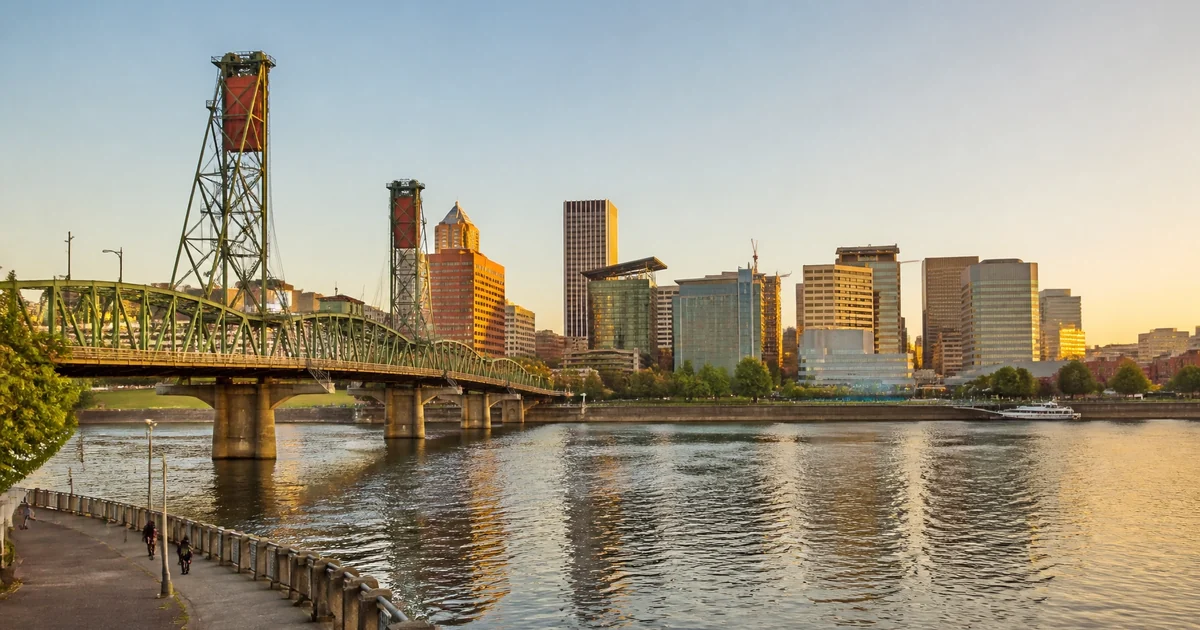
Old Town-Chinatown sits at the historic core of Portland, wrapping the west bank of the Willamette River from the Burnside Bridge north to the Steel Bridge, with NW Broadway as the western boundary and the river itself as the eastern edge. This is where Portland began in the 1840s, and the bones of that history are still here: cast-iron and brick storefronts from the 1880s and 1890s, the carved gateway at NW 4th and Burnside marking the entrance to historic Chinatown, and the dense street grid that pre-dates the rest of the central city. The defining geography is the riverfront on one side and the dense historic urban core on the other.
A weekday rhythm here is set by commuters arriving at Old Town/Chinatown MAX station, social-service drop-ins along the western blocks, and lunch crowds heading to the food carts and counter-service spots near the courthouse and Burnside Bridgehead. By midday Lan Su Chinese Garden, a one-block walled garden that is one of the most authentic Suzhou-style gardens outside China, draws a steady flow of visitors. Saturday and Sunday from March through December bring Portland Saturday Market, the country's largest weekend open-air arts and crafts market, to the blocks under the Burnside Bridge along Tom McCall Waterfront Park. Nights vary by block: the eastern waterfront and Pearl-adjacent streets are active, while the western edge near the bus station is quieter and more transient.
On any given day in Old Town-Chinatown you will see a mix that few other Portland neighborhoods match: residents heading to coffee at Floyd's or Backstory Books and Cafe, workers arriving at downtown courthouses and offices, tourists photographing the Chinatown gateway, social-service clients moving between Blanchet House and other support locations, and Portland State University students cutting through to riverfront events. The neighborhood is in active transition; new investment, hotel conversions, and adaptive reuse projects are reshaping blocks that struggled through the past decade. It is an honest urban environment with both real assets and real challenges, and any buyer should walk it at multiple times of day before forming an impression.
Looking for broader context on the area? Read my full Northwest Portland relocation guide for how Old Town-Chinatown fits into the wider district.
Homes and Architecture in Old Town-Chinatown
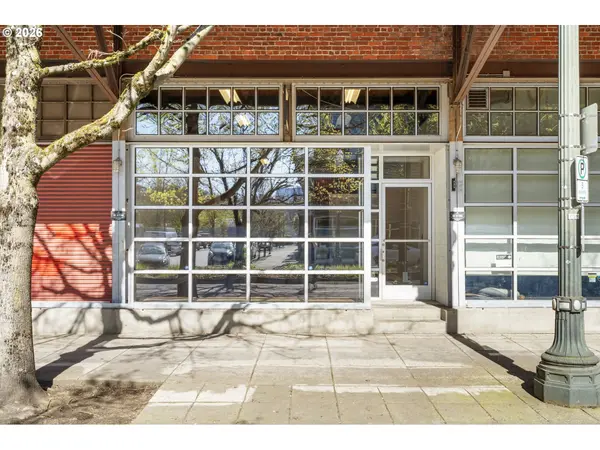
Old Town-Chinatown's housing stock is almost entirely condominiums and apartments inside historic mid-rise and low-rise buildings, plus a small layer of newer mid-rise construction from the past two decades. The historic stock includes adaptive-reuse loft conversions in late-1800s and early-1900s warehouses and commercial buildings, with original brick walls, cast-iron columns, timber beams, and tall windows still defining many units. Building heights generally run 4 to 8 stories, with a few taller modern additions. The Skidmore/Old Town Historic District designation governs much of the neighborhood's preservation rules and shapes what owners can and cannot do to facades.
When you shop here, expect significant variation in HOA structure, building condition, and amenity package depending on the building's vintage and conversion quality. Older conversions can offer character that is hard to find elsewhere in Portland, but they sometimes come with deferred-maintenance reserves, older HVAC, single-pane historic windows, or limited parking. Newer mid-rise buildings offer modern systems and often include parking, fitness rooms, and rooftop access. Pricing varies more by building reputation and view than by raw square footage. Run the HOA documents carefully: special assessments on historic buildings have been a recurring theme, and the neighborhood is one of the few in Portland where building-level due diligence matters as much as unit-level.
- Historic loft conversions
- Cast-iron & brick mid-rises
- Modern mid-rise condos
- Condo & rental focused
- Lower entry point for downtown core
Dining, Parks, and Daily Life
Voodoo Doughnut (Original)
The original Voodoo Doughnut storefront on SW 3rd just south of Burnside is one of Portland's most recognizable food destinations, with the neon-pink building and the line that stretches around the corner most weekends. Open 24 hours and a tourist-and-resident landmark for two decades.
Mucca Osteria & House of Louie
Mucca Osteria on NW 13th draws diners for handmade pasta in a small Italian room, while House of Louie on NW 4th remains one of Chinatown's longest-running dim sum spots. The blocks between NW Davis and NW Glisan hold a rotating mix of casual and destination dining.
Floyd's Coffee & Backstory Books
Floyd's Coffee Shop on SW Pine has anchored the Old Town coffee scene for years with locals on laptops and a steady morning regulars crowd. Backstory Books and Cafe on SW 4th adds a used-book-and-coffee combination for a slower afternoon stop.
Tom McCall Waterfront Park & Lan Su Garden
Tom McCall Waterfront Park stretches the entire length of the neighborhood along the Willamette with paved paths, public art, and event lawns. Lan Su Chinese Garden on NW 3rd and Everett occupies a full city block with traditional Suzhou-style architecture, koi ponds, and seasonal exhibits.
Daily Errands
The closest grocery is Whole Foods on NW 12th in the Pearl District, about a 10-minute walk from most Old Town addresses, with Trader Joe's on SW 4th in downtown about the same distance south. Walgreens at NW 6th and Burnside handles pharmacy. Most residents use a combination of nearby grocery and downtown big-box.
Getting Around
Old Town/Chinatown MAX station serves the Blue, Red, and Green lines with direct service to downtown, the airport, and the eastside. The Portland Streetcar runs along NW 10th and 11th. Bus lines including 4, 8, 12, and 35 connect across the city. Most destinations within central Portland are 10 to 15 minutes by transit; many residents do not own a car.
Joe's Take on Old Town-Chinatown
Old Town-Chinatown is the most polarizing neighborhood I work in. The honest trade-off is between the lowest entry point for a downtown-adjacent address with real architectural character, and a neighborhood that is mid-recovery from years of disinvestment, social-service concentration, and the pandemic's effect on central-city retail. You can buy a loft in a 1890s cast-iron building with original brick walls and direct MAX access for less per square foot than almost anywhere else in walking distance of the river. You also need to be honest with yourself about street-level conditions, which vary dramatically block to block and time to time.
The housing stock and location features suit buyers who specifically want a historic loft in a walkable downtown setting, who do not need a car, and who value transit access (MAX, streetcar, bus) over a quiet residential block. It works for buyers who are comfortable with the texture of an active urban environment and who want to be part of a neighborhood that is genuinely changing. It is not a fit for buyers seeking a quiet residential block, single-family housing, or predictable comps; the building you choose matters more here than in most Portland neighborhoods.
Before you write an offer in Old Town-Chinatown, the building-level due diligence is critical. Pull the full HOA reserve study, the past five years of board meeting minutes, and any pending special assessments. Ask about historic-district restrictions on facade changes, window replacements, and exterior systems. Verify whether the building has known issues with seismic retrofit, plumbing, or roofing, since century-old buildings have meaningfully different maintenance profiles than modern construction. Visit the specific block at 9 PM on a Friday and 6 AM on a Tuesday; conditions vary widely. Verify the school assignment at pps.net for the address. And talk with your lender early about condo project approval, since some Old Town buildings have warrantability issues that affect financing options.
Frequently Asked Questions About Old Town-Chinatown
How do home prices in Old Town-Chinatown compare to the rest of downtown Portland?
Old Town-Chinatown typically prices below the Pearl District and the South Waterfront on a per-square-foot basis for comparable condos, reflecting both the historic-building maintenance profile and the recent street-level challenges. It generally prices in line with or slightly above the southern downtown core. The pricing ranges widely by building, with newer mid-rises and renovated loft conversions commanding higher prices than older historic buildings with deferred maintenance. The current average sales price and active listing count are shown at the top of this page and update automatically with the market.
What are property taxes like in Old Town-Chinatown?
Multnomah County property taxes in Old Town-Chinatown run at an effective combined rate of approximately 1.3% to 2.1% of assessed value, in line with the rest of the county. Condos here often carry lower assessed values than equivalent suburban single-family homes, but HOA dues add a meaningful monthly cost on top of taxes. Some buildings in the neighborhood may have specific local improvement districts or historic preservation assessments worth confirming. Verify current rates and the specific assessment for any address at multco.us/assessment-taxation.
Which schools serve Old Town-Chinatown?
Old Town-Chinatown is served by Portland Public Schools. The default elementary assignment is generally Chapman Elementary in the Northwest District, with middle school routing to West Sylvan and high school to Lincoln High School. Because the neighborhood has limited multi-bedroom housing and a high share of studio and one-bedroom units, the school-age population here is small. Portland Public Schools uses open enrollment, allowing residents to apply to any PPS school regardless of address. Verify the specific address assignment with the PPS boundary finder at pps.net.
What is the housing stock like in Old Town-Chinatown?
Housing stock is almost entirely condominiums and apartments inside historic mid-rise and low-rise buildings, plus a smaller layer of newer mid-rise construction from the past two decades. The historic stock includes adaptive-reuse loft conversions in late-1800s and early-1900s commercial and warehouse buildings, with original brick walls, cast-iron columns, and timber beams often preserved. Building heights run 4 to 8 stories with some taller modern additions. Single-family detached housing essentially does not exist in this neighborhood. Amenity access includes Tom McCall Waterfront Park along the river, Lan Su Chinese Garden on NW 3rd and Everett, and the immediate proximity to downtown Portland.
How long is the commute from Old Town-Chinatown to downtown Portland?
The commute from Old Town-Chinatown to most downtown Portland destinations is essentially zero, since the neighborhood is part of the central city. Walking to most downtown offices, courthouses, and PSU is 10 to 20 minutes. Old Town/Chinatown MAX station serves the Blue, Red, and Green lines for direct service to the airport, the eastside, and the suburbs. The Portland Streetcar runs along NW 10th and 11th. The MAX Red Line reaches PDX airport in approximately 35 minutes.
Is Old Town-Chinatown walkable?
Old Town-Chinatown is one of the most walkable neighborhoods in Portland, with most addresses scoring in the 95 to 99 range on Walk Score. Daily errands, transit, dining, and the riverfront are all reachable on foot within a few blocks. Bike infrastructure is strong with dedicated lanes on NW Broadway and the waterfront greenway. Transit Score is also among the highest in the metro because of the multi-line MAX station and streetcar access. The walkability is real, but block-by-block conditions vary, so most residents develop their own preferred routes.
How does Old Town-Chinatown compare to nearby neighborhoods?
Old Town-Chinatown is genuinely distinct from its neighbors. The Pearl District, just to the west, is denser with new construction, more upscale retail, and higher per-square-foot pricing. The downtown core south of Burnside has a more office-driven daytime rhythm and less residential character. The Lloyd District, across the Steel Bridge in Northeast Portland, has more event venues but less historic architecture. Old Town is the pick when a buyer wants the lowest entry price for a historic-character downtown loft and is comfortable with the active urban environment.
Can I have a short-term rental in Old Town-Chinatown?
Short-term rentals require a City of Portland STR permit, and many condo buildings in Old Town-Chinatown have additional HOA-level rules that further restrict or prohibit short-term rentals. Type A permits require owner-occupancy. Type B permits (non-owner-occupied) have stricter limits and are harder to obtain. Before assuming a unit can be operated as a short-term rental, review the building's CC&Rs and HOA rules, and verify both city permit eligibility and HOA approval. Verify with Portland Bureau of Development Services at portland.gov/bds.
Thinking About Buying in Old Town-Chinatown?
I help buyers navigate downtown Portland condo purchases every week, including the historic-building due diligence that Old Town-Chinatown requires. Let's talk about what you need, what you can afford, and whether this neighborhood is the right fit.
Schedule a Free Consultation Or call Joe directly: (503) 910-7364Joe Saling · Saling Homes at eXp Realty · 10+ years serving Portland metro buyers and sellers
Saling Homes at eXp Realty is committed to the principles of the Fair Housing Act and Equal Housing Opportunity. Licensed in the State of Oregon. Information deemed reliable but not guaranteed. Verify all data independently before making real estate decisions.
MY BLOGS
MARKET TRENDS

HOUSING DETAIL
NEARBY SCHOOL & BUSINESS
910 NW NAITO PKWY #I23, Portland, OR 97209
Condo 2 Beds 2 Baths 1,082 SqFt
Listed by Premiere Property Group LLC
910 NW NAITO PKWY #I-12, Portland, OR 97209
Condo 1 Bed 1 Bath 738 SqFt
Listed by McCormick Pier Realty,LCC1010 NW NAITO PKWY #M19, Portland, OR 97209
Condo 2 Beds 2 Baths 1,026 SqFt
Listed by Paris Group Realty LLC940 NW NAITO PKWY #L15, Portland, OR 97209
Condo 1 Bed 1 Bath 694 SqFt
Listed by Kelly Right Real Estate of Portland, LLC840 NW NAITO PKWY #H-10, Portland, OR 97209
Townhouse 2 Beds 1 Bath 895 SqFt
Listed by Century 21 North Homes Realty910 NW NAITO PKWY #i-4, Portland, OR 97209
Condo 1 Bed 1 Bath 690 SqFt
Listed by Julie Galaski Realty620 NW NAITO PKWY #B7, Portland, OR 97209
Condo 1 Bed 1 Bath 732 SqFt
Listed by ELEETE Real Estate840 NW NAITO PKWY #H12, Portland, OR 97209
Condo 1 Bed 1 Bath 690 SqFt
Listed by Real Broker606 NW NAITO PKWY #A9, Portland, OR 97209
Condo 1 Bed 1 Bath 792 SqFt
Listed by Berkshire Hathaway HomeServices NW Real Estate920 NW NAITO PKWY #J18, Portland, OR 97209
Condo 1 Bed 1 Bath 738 SqFt
Listed by Realty Works Group730 NW NAITO PKWY #E10, Portland, OR 97209
Condo 1 Bed 1 Bath 725 SqFt
Listed by Paris Group Realty LLC920 NW NAITO PKWY #J25, Portland, OR 97209
Condo 2 Beds 2 Baths 1,026 SqFt
Listed by Cascade Hasson Sotheby's International Realty720 NW NAITO PKWY #D24, Portland, OR 97209
Condo 1 Bed 1 Bath 684 SqFt
Listed by Redfin810 NW NAITO PKWY #F-10, Portland, OR 97209
Condo 1 Bed 1 Bath 738 SqFt
Listed by McCormick Pier Realty,LCC810 NW NAITO PKWY #F11, Portland, OR 97209
Condo 1 Bed 1 Bath 700 SqFt
Listed by Keller Williams Realty Portland Premiere1040 NW NAITO PKWY #O-9, Portland, OR 97209
Condo 1 Bed 1 Bath 690 SqFt
Listed by Bridgetown Equity Prop LLC1010 NW NAITO PKWY #M15, Portland, OR 97209
Condo 1 Bed 1 Bath 871 SqFt
Listed by Windermere Realty TrustNW 1ST ST, Portland, OR 97231
Vacant Land 0.2 Acres
Listed by Acquire Properties122 SW 3RD AVE, Portland, OR 97204
Commercial 4,375 SqFt
Listed by LUXE Forbes Global Properties

Coming Soon
Commute Score
Coming Soon
Coming Soon
DEMOGRAPHICS
Population:
Density:
Households:
Gender
Coming Soon
Coming Soon
Coming Soon
Coming Soon

Joe Saling
joe@sellingpdxhomes.com