

OR Portland
Beaumont-Wilshire
Beaumont-Wilshire is a tree-lined inner Northeast Portland neighborhood with pre-1940 Craftsman bungalows, English Tudors, and foursquares on 5,000 to 7,000 square foot lots. The NE Fremont Street commercial corridor anchors the dining and shopping scene, and the 40-acre Wilshire Park sits at the neighborhood's center. Alameda Elementary and Beaumont Middle School are the default assignments.


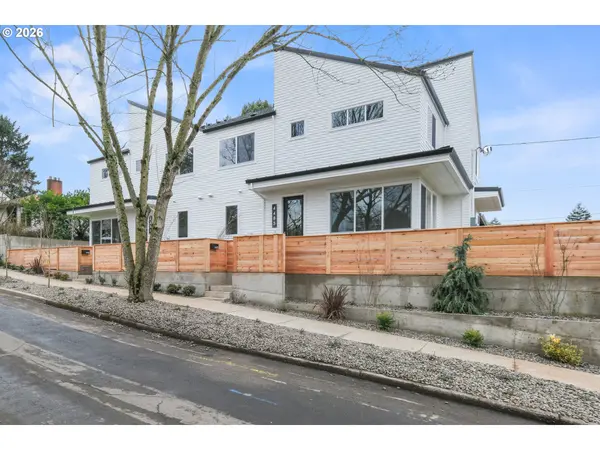



Living in Beaumont-Wilshire
A tree-lined inner Northeast pocket with 1920s Craftsman and Tudor homes, the Fremont Street commercial corridor, and the 40-acre Wilshire Park at its center.
Updated April 2026 by Joe SalingWhat Beaumont-Wilshire Is Really Like
Beaumont-Wilshire sits in inner Northeast Portland, bounded roughly by NE Fremont Street on the south, NE Prescott on the north, NE 33rd Avenue on the west, and NE 47th on the east. The defining geography is the tree canopy: most residential blocks are lined with mature elms, maples, and oaks that meet overhead in summer, giving the neighborhood the kind of shaded streets usually associated with older East Coast cities. Wilshire Park sits in the middle of the neighborhood as a 40-acre green anchor, and the Alameda Ridge runs just south of Fremont, giving parts of the neighborhood gentle topography and territorial views.
A weekday morning here is coffee cups at Fleur de Lis Bakery on Fremont, foot traffic on the sidewalks headed toward Beaumont Middle School and Alameda Elementary, and runners looping Wilshire Park before the workday. By mid-morning the Fremont corridor fills in: diners at Stanich's (the historic neighborhood tavern), shoppers at the small-format retail, and the steady rhythm of local commerce. Weekends shift toward Wilshire Park for pickup soccer and picnics, and to the restaurants along Fremont between NE 42nd and NE 46th. Evenings are porch lights, dog walkers, and the low hum of I-84 a few blocks south, audible but not dominant on most blocks.
On residential blocks you will see people gardening in the parking strip, bike commuters heading to the NE Going or NE Klickitat greenways, and remote workers on porches with laptops. The neighborhood has an active Beaumont-Wilshire Neighborhood Association, a volunteer-maintained community garden, and an annual Fremont Fest that closes the street for music and food booths. The residential streets have full sidewalks, traffic-calmed intersections, and the kind of walkable block-to-block flow that has made inner Northeast a consistent top of the market for three decades.
Looking for broader context on the area? Read my full Northeast Portland relocation guide for how Beaumont-Wilshire fits into the wider district.
Homes and Architecture in Beaumont-Wilshire
Beaumont-Wilshire's housing stock is predominantly pre-1940, with the bulk built between 1910 and 1935 during the streetcar-era expansion of Northeast. You see a strong concentration of Craftsman bungalows and foursquares, English Tudors (particularly on the blocks south of Fremont near the Alameda Ridge), Colonial Revivals, and a handful of Mediterranean-style homes. Lot sizes run a consistent 5,000 to 7,000 square feet, with deeper lots near the park. A small layer of mid-century and contemporary infill fills occasional scrape-and-build lots, but the neighborhood is unusually intact architecturally compared to much of Portland.
When you shop here, expect most listings to show substantial remodel work layered over original architecture. Kitchens and baths are typically updated; original oak and fir floors, built-ins, leaded glass, and coved ceilings are usually preserved. Competitive dynamics are consistently strong in this neighborhood; well-prepared homes near Wilshire Park or on the Alameda Ridge blocks frequently draw multiple offers. Two recurring inspection items to price in: cast-iron sewer laterals with tree-root intrusion under the full canopy, and knob-and-tube or early-cloth wiring in homes where prior owners never pulled a comprehensive electrical update. Both are manageable but meaningful.
- Craftsman bungalows & foursquares
- English Tudor
- Colonial Revival
- 5,000 to 7,000 sq ft lots
- Upper-mid for Northeast Portland
Dining, Parks, and Daily Life
Stanich's Tavern
The neighborhood's anchor restaurant and one of the oldest operating taverns in Portland, long known for its double-stack burger. Reopened after a multi-year closure, it remains the corridor landmark that most buyers recognize on a Fremont drive-through.
Beaumont Market & Fleur de Lis
Beaumont Market is an independent full-service grocer at NE 42nd and Fremont, locally owned and carrying a strong deli, wine selection, and produce. Fleur de Lis Bakery, just a few doors down, is the neighborhood's daily coffee and pastry stop and one of the highest-rated bakeries in inner Northeast.
Fremont Corridor Cafes
The Fremont commercial strip between NE 42nd and NE 46th holds a rotating mix of coffee shops, a neighborhood wine bar, and restaurants like Gaetano's Market and Deli. These blocks function as the neighborhood's gathering center, within walking distance of most of Beaumont-Wilshire's residential streets.
Wilshire Park
The neighborhood's green centerpiece, sitting between NE 33rd and NE 37th with Skidmore and Shaver as the north-south bounds. Features include open lawn for pickup games, mature tree cover, a playground, a softball field, and the seasonal Wilshire Park concert series. A defining reason many buyers target this neighborhood specifically.
Daily Errands
Beaumont Market handles specialty grocery within walking distance. For full-format shops and pharmacy, New Seasons on NE Alberta and Fred Meyer at Hollywood are both 5 to 7 minutes by car. Hardware routes to Parkrose Hardware (NE Sandy) or Rebuilding Center (N Mississippi), both within 10 minutes.
Getting Around
Beaumont-Wilshire offers direct I-84 access via NE 33rd or NE 42nd, putting downtown Portland 12 to 18 minutes by car off-peak. The MAX Red and Blue lines run at Hollywood Transit Center, about 8 minutes south. TriMet bus service runs on Fremont and NE 33rd. The NE Klickitat and NE Going neighborhood greenways offer protected bike routes west to the river.
Joe's Take on Beaumont-Wilshire
When buyers tell me they want classic inner Northeast Portland architecture on a tree-lined block with a real park in walking distance, Beaumont-Wilshire is one of the first three neighborhoods I show them. You get the full Craftsman and Tudor housing stock, the Fremont corridor with Stanich's, Beaumont Market, and Fleur de Lis, a 40-acre central park, and one of the better-regarded default elementary schools in Portland Public Schools. The honest trade-off is price. This is an upper-mid neighborhood for inner Northeast, consistently priced above Cully, Roseway, and Madison South, and frequently in line with or slightly below Alameda and Grant Park depending on the specific block.
The housing stock and location suit buyers who prioritize pre-war architecture, want full sidewalks and a walkable grocery and cafe block, and are willing to pay the inner-Northeast premium for the school access and tree canopy. It is less of a fit for buyers who want new construction with modern systems, or who need a ground-floor primary suite that's uncommon in pre-1940 housing. It also does not work for buyers who need a detached garage with RV space; most garages here are small single-car structures built for Model-T-era vehicles.
Before you write an offer in Beaumont-Wilshire, there are a few specifics worth checking. Pull the sewer lateral scope; cast-iron laterals under the full canopy commonly show root intrusion and partial replacement runs 8K to 15K. Check for knob-and-tube wiring that has not been fully updated, since some insurance carriers will not write a policy until it's replaced. Verify the specific school boundary at pps.net, since Beaumont Middle and Alameda Elementary boundaries have been redrawn in prior years. Finally, drive the block on a weekday evening to hear I-84 noise levels; the south-facing blocks near NE Knott and Thompson pick up more freeway sound than the blocks closer to Prescott.
Frequently Asked Questions About Beaumont-Wilshire
How do home prices in Beaumont-Wilshire compare to the rest of Northeast Portland?
Beaumont-Wilshire prices in the upper-mid tier of Northeast Portland. Expect to pay above Cully, Roseway, Madison South, and Sumner on a per-square-foot basis, roughly in line with Grant Park and Rose City Park, and slightly below Alameda and Irvington. The intact pre-war architecture, Wilshire Park, the Fremont commercial corridor, and Beaumont Middle and Alameda Elementary assignments all support the price premium. The current average sales price and active listing count are shown at the top of this page and update automatically with the market.
What are property taxes like in Beaumont-Wilshire?
Multnomah County property taxes in Beaumont-Wilshire run at an effective combined rate of approximately 1.3% to 2.1% of assessed value. Because home values in this neighborhood sit in the upper-mid tier of inner Northeast, typical annual property tax bills run higher than the Northeast district average. Oregon Measure 50 caps assessed value growth at 3% per year, so long-held homes often pay meaningfully less than their market value would suggest, creating a wide spread between bills on the same block. Verify current rates and the specific assessment for any address at multco.us/assessment-taxation.
Which schools serve Beaumont-Wilshire?
Beaumont-Wilshire is served by Portland Public Schools. The default assignments are Alameda Elementary, Beaumont Middle School, and Grant High School. All three consistently rate among the higher-performing schools in Portland Public Schools on GreatSchools and Niche. Portland Public Schools uses open enrollment, so residents can apply to other PPS schools regardless of address, though acceptance at oversubscribed schools is not guaranteed. Verify the specific address assignment with the PPS boundary finder at pps.net, since boundaries can change.
What is the housing stock like in Beaumont-Wilshire?
Housing stock is predominantly pre-1940 Craftsman bungalows, foursquares, English Tudors, and Colonial Revivals on 5,000 to 7,000 square foot lots, with deeper lots near Wilshire Park. Most homes have substantial remodel work layered over original architecture: updated kitchens and baths with original oak or fir floors, built-ins, and coved ceilings preserved. A small layer of mid-century and contemporary infill fills occasional scrape-and-build lots. Amenity access includes Wilshire Park (40 acres), the Fremont corridor, and the NE Klickitat and Going neighborhood greenways.
How long is the commute from Beaumont-Wilshire to downtown Portland?
Downtown Portland is typically 12 to 18 minutes by car via I-84 outside of peak hours, using NE 33rd or NE 42nd to enter the freeway. Peak-hour drives can stretch to 20 to 30 minutes. The MAX Red and Blue lines at Hollywood Transit Center (about 8 minutes south) offer a transit option with direct downtown and airport service. Bike commuters use the NE Klickitat or NE Going neighborhood greenways to reach the downtown bridges.
Is Beaumont-Wilshire walkable?
Walkability is strong for an inner Northeast residential neighborhood. Homes within three to four blocks of NE Fremont can walk to Beaumont Market, Fleur de Lis, Stanich's, and the cluster of corridor restaurants. Wilshire Park adds a walkable inner loop for runners, dog walkers, and pickup games. Full sidewalks run on most residential streets, and traffic-calmed intersections support low-stress walking. Walk Scores in the neighborhood generally run from the mid-60s on interior blocks to the low 80s on the Fremont-adjacent blocks.
How does Beaumont-Wilshire compare to nearby Northeast Portland neighborhoods?
Beaumont-Wilshire typically prices below Alameda and Irvington, roughly in line with Grant Park and Rose City Park, and above Concordia, Cully, and Roseway. Alameda has the Alameda Ridge's larger homes and view premium. Irvington has the historic district designation and more consistent high-end inventory. Grant Park has the park-central siting and similar housing stock. Rose City Park is closer in price and architecture but with more arterial traffic on NE Sandy. Beaumont-Wilshire is the pick when a buyer wants the Fremont corridor, Wilshire Park, and the Beaumont Middle and Alameda Elementary school combination on a slightly quieter residential block.
Can I add an ADU or short-term rental in Beaumont-Wilshire?
Most Beaumont-Wilshire lots are eligible for an accessory dwelling unit under Portland's Residential Infill Project rules, which allow up to one ADU on a single-family lot. Deeper lots near Wilshire Park can support larger detached ADUs than tighter parcels allow. Short-term rentals require a City of Portland STR permit; Type A permits require owner-occupancy, and Type B permits (non-owner-occupied) have stricter limits and are harder to obtain. Verify both ADU eligibility and STR permit type for your specific address with Portland Bureau of Development Services (portland.gov/bds) before counting on rental income.
Thinking About Buying in Beaumont-Wilshire?
I help buyers navigate Northeast Portland neighborhoods every week. Let's talk about what you need, what you can afford, and whether Beaumont-Wilshire is the right fit.
Schedule a Free Consultation Or call Joe directly: (503) 910-7364Joe Saling · Saling Homes at eXp Realty · 10+ years serving Portland metro buyers and sellers
Saling Homes at eXp Realty is committed to the principles of the Fair Housing Act and Equal Housing Opportunity. Licensed in the State of Oregon. Information deemed reliable but not guaranteed. Verify all data independently before making real estate decisions.
Real Estate News & Resources
Market Trends

housing detail

Coming Soon
Listing Detail
3931 NE 41ST AVE, Portland, OR 97212
3 Beds 2 Baths 1,877 SqFt
Single Family Home
Listed by Urban Nest Realty
3979 NE 42ND AVE, Portland, OR 97213
3 Beds 1.1 Baths 2,872 SqFt
Single Family Home
Listed by Neighbors Realty4529 NE 34TH AVE, Portland, OR 97211
4 Beds 4 Baths 2,872 SqFt
Single Family Home
Listed by Windermere Realty Trust4525 NE 37TH AVE, Portland, OR 97211
3 Beds 3 Baths 2,315 SqFt
Single Family Home
Listed by MORE Realty3405 NE 46TH AVE, Portland, OR 97213
2 Beds 1 Bath 1,546 SqFt
Single Family Home
Listed by Living Room Realty4435 NE 35TH AVE, Portland, OR 97211
4 Beds 2.1 Baths 3,074 SqFt
Single Family Home
Listed by Premiere Property Group, LLC4040 NE CESAR E CHAVEZ BLVD, Portland, OR 97212
3 Beds 2 Baths 2,159 SqFt
Single Family Home
Listed by Windermere Realty Trust4637 NE 40TH AVE, Portland, OR 97211
2 Beds 2 Baths 1,472 SqFt
Single Family Home
Listed by Neighbors Realty4839 NE 41ST AVE, Portland, OR 97211
4 Beds 3 Baths 1,932 SqFt
Single Family Home
Listed by Integrity Home Realty LLC3415 NE 41ST AVE, Portland, OR 97212
3 Beds 3.2 Baths 2,170 SqFt
Single Family Home
Listed by William E Johnson3996 NE 35TH AVE, Portland, OR 97212
3 Beds 2.1 Baths 1,487 SqFt
Single Family Home
Listed by Real Broker3992 NE 35TH AVE, Portland, OR 97212
2 Beds 2.1 Baths 1,347 SqFt
Single Family Home
Listed by Real Broker3852 NE ALAMEDA ST, Portland, OR 97212
4 Beds 2.1 Baths 5,445 SqFt
Single Family Home
Listed by Living Room Realty4891 NE Cesar E Chavez BLVD, Portland, OR 97211
2 Beds 2.1 Baths 969 SqFt
Single Family Home
Listed by Keller Williams Realty Portland Premiere3325 NE SISKIYOU ST, Portland, OR 97212
5 Beds 3 Baths 2,353 SqFt
Single Family Home
Listed by RE/MAX Advantage Group3864 NE Alberta CT, Portland, OR 97211
3 Beds 2.1 Baths 1,325 SqFt
Single Family Home
Listed by Keller Williams Realty Portland Premiere4110 NE 42ND AVE, Portland, OR 97218
4,371 SqFt
Multi-Family
Listed by ELEETE Real Estate4895 NE CESAR E CHAVEZ BLVD, Portland, OR 97211
3,619 SqFt
Multi-Family
Listed by Keller Williams Realty Portland Premiere
Commute Score
Coming Soon
demographics
Population
Density
Households
Gender
Coming Soon
Education
Coming Soon
Coming Soon
Coming Soon

GET MORE INFORMATION