

OR Portland
Marshall Park


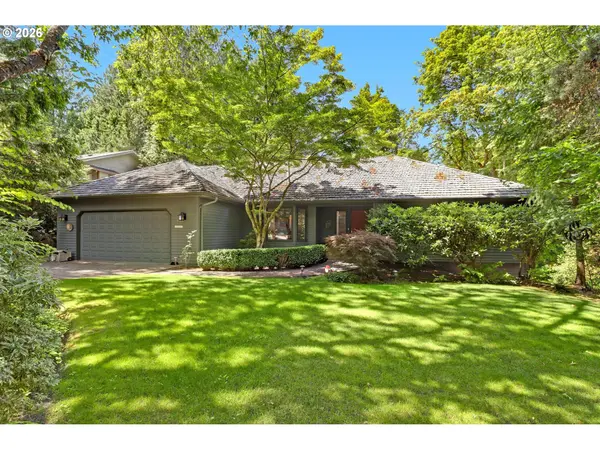





Living in Marshall Park
A wooded Southwest Portland pocket built around a 26-acre canyon park, with custom hillside homes, Tryon Creek tributaries, and 15-minute I-5 access to downtown.
Updated April 2026 by Joe SalingWhat Marshall Park Is Really Like
The Marshall Park neighborhood sits in Southwest Portland, bordered by West Portland Park, Markham, South Burlingame, Collins View, and Arnold Creek. The neighborhood is named for Marshall Park itself, a 26-acre canyon park donated to the City of Portland in 1948 by Frederick and Addie Mae Marshall on land that had been a former quarry. Tryon Creek and its tributaries flow through the park's natural area, and the surrounding residential blocks are built on the wooded hillsides above and around the canyon.
A weekday morning here is dense canopy, birdsong, and the trickle of Tryon Creek tributaries through the canyon below. Most blocks lack sidewalks, the streets curve to follow the topography, and the wooded hillside setting gives the neighborhood a feel closer to Lake Oswego or rural Multnomah County than to most of Portland. Weekend rhythms shift toward the Marshall Park trail system itself (with its small waterfall, footbridges, and playground), the larger Tryon Creek State Natural Area to the south, and short drives to Multnomah Village or Lake Oswego for dining.
On any given block you'll see joggers heading down to the canyon trail, long-term homeowners working established yards, and dog walkers using the curving streets as informal loops. Many homes are custom builds set back into the hillside on half-acre or larger parcels, with cantilevered decks or sweeping windows oriented toward the canyon and territorial views. The Marshall Park Neighborhood Association is small but active, with regular Tryon Creek Watershed Council partnerships for native plant restoration and English ivy removal in the park itself.
Looking for broader context on the area? Read my full Southwest Portland relocation guide for how Marshall Park fits into the wider district.
Homes and Architecture in Marshall Park
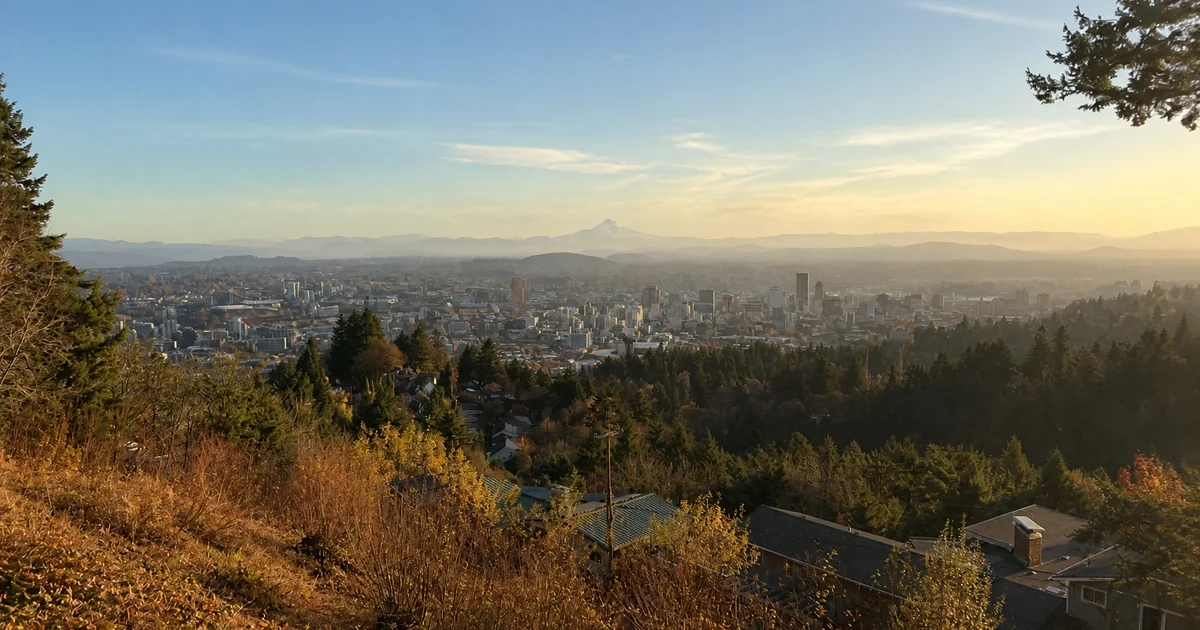
Marshall Park's housing stock is mostly post-1960, with a notable share of 1970s and 1980s contemporary and Northwest Modern homes built on hillside lots, plus a layer of mid-century ranches and split-levels on the flatter pockets. Newer custom homes from the 2000s and 2010s fill scrape-and-build lots and tend to be substantial in size, often 3,000 to 4,000 square feet on parcels of half an acre or more. Lot sizes generally run 10,000 to 25,000 square feet, with some hillside parcels well above an acre. Many homes carry territorial, canyon, or Mount Hood views from the elevated streets.
When you shop in Marshall Park, expect inventory to be thin and homes to skew larger and more custom than typical Portland fare. Median sale prices have historically run higher than the surrounding outer SW neighborhoods, reflecting the lot sizes, the canyon setting, and the custom housing stock. Competitive dynamics depend on the specific micro-pocket: hillside view properties on quieter cul-de-sacs draw multiple offers when they hit the market, while interior lots without view or canyon access are more negotiable. Two items worth pricing in: hillside slope and drainage (this is steep, creek-fed terrain and stormwater management is a real cost), and tree preservation overlays from the city, which can limit what you can remove or replace on heavily wooded parcels.
- Northwest Modern & contemporary
- Mid-century ranch
- Custom 21st-century infill
- 10,000 to 25,000 sq ft lots common
- Premium for outer Southwest Portland
Geography, Amenities, and Getting Around
Marshall Park Canyon & Tryon Creek
Marshall Park is built around a 26-acre canyon park with a small waterfall, footbridges, and 3.1 miles of trails through the Tryon Creek tributary system. The neighborhood sits on the wooded hillsides above and around the canyon, with elevations dropping sharply at the canyon edge and rising again on the residential plateaus. The mature canopy of Douglas fir, western red cedar, and big-leaf maple is dense enough that aerial views show very few rooftops.
Multnomah Village & Lake Oswego
Marshall Park is entirely residential, with no commercial businesses within the neighborhood boundary. Multnomah Village (about 7 minutes north) handles most daily errands: a small grocery, Annie Bloom's Books, multiple coffee shops, and brunch spots. Lake Oswego (about 10 minutes south) offers Whole Foods, Trader Joe's, and a denser dining scene. For full-service grocery closer to home, Safeway and Fred Meyer on Barbur Boulevard are 6 to 8 minutes by car. Hillsdale Farmers Market runs Sunday mornings about 12 minutes north.
Marshall Park & Tryon Creek State Natural Area
Marshall Park itself sits at the heart of the neighborhood with 26 acres of canyon trails, a small waterfall, footbridges, and a playground. Tryon Creek State Natural Area, a 658-acre Oregon state park, sits a short drive south and offers 8 miles of hiking trails, a 3-mile paved bike path connecting to Lake Oswego, and equestrian trails. River View Natural Area to the southeast provides additional hillside trails. Outdoor access is, frankly, the defining amenity of this neighborhood.
Getting Around
Marshall Park is car-oriented. Downtown Portland is typically 12 to 18 minutes by car via I-5 outside of peak hours, with peak-hour drives stretching to 25 to 30 minutes. Lake Oswego is about 10 minutes south. TriMet bus service runs along SW Boones Ferry Road and Barbur Boulevard, with the Barbur Transit Center providing express bus connections to downtown. OHSU is roughly 12 minutes north via I-5. The Sunset Corridor tech employers in Beaverton are 18 to 25 minutes west, depending on time of day.
Joe's Take on Marshall Park
When buyers tell me they want privacy, mature trees, large lots, and proximity to nature without leaving Portland, Marshall Park is one of the first neighborhoods I show them. You get hillside settings, custom housing, and direct trail access to a 26-acre canyon park, all 15 minutes from downtown. The honest trade-off is price and walkability. Marshall Park typically prices at a premium to the surrounding outer-SW neighborhoods, and there is essentially no walkable commercial life within the boundary. If you want to walk to coffee, this is not the neighborhood; if you want to walk to a trailhead from your front door, it might be.
The housing stock and location suit buyers who prioritize lot size, privacy, and natural setting over walkable amenities. It works well for buyers wanting a custom-built home with character and views, remote workers who don't need a daily downtown commute, and anyone who wants serious daily access to hiking trails. It's less of a fit for buyers who want corridor walkability, consistent sidewalk infrastructure, or smaller lots requiring less yard maintenance and tree work.
Before you write an offer in Marshall Park, there are a few specifics worth checking. Pull the slope and stormwater overlay for any hillside lot; steep grades affect insurance rates, what you can build or modify, and how stormwater must be managed. Verify any environmental zone or tree preservation overlay on the property at portlandmaps.com, since wooded lots near the canyon often carry restrictions. Pull the sewer scope on any pre-1980 home and assess the septic system if the property is on septic (a small handful of edge parcels still are). Confirm the school assignment at pps.net, since Marshall Park has split elementary boundaries: different parts of the neighborhood have historically fed Capitol Hill, Rieke, or Stephenson elementary schools depending on the address.
Frequently Asked Questions About Marshall Park
How do home prices in Marshall Park compare to the rest of Southwest Portland?
Marshall Park typically prices at a premium relative to the surrounding outer-SW neighborhoods like Markham, Maplewood, and Ashcreek, and is often comparable to or above South Burlingame and parts of Collins View. It generally prices below Hillsdale and Bridlemile on a per-square-foot basis, but absolute home prices can be high because lot sizes and home sizes are larger. The custom hillside housing, the canyon access, and the wooded setting all support the premium. The current average sales price and active listing count are shown at the top of this page and update automatically with the market.
What are property taxes like in Marshall Park?
Multnomah County property taxes in Marshall Park run at an effective combined rate of approximately 1.3% to 2.1% of assessed value, in line with the rest of the county. Because Marshall Park home values run higher than surrounding outer-SW neighborhoods, absolute annual property tax bills are typically larger as well. Oregon Measure 50 caps assessed value growth at 3% per year, so long-held homes often pay less than their market value would suggest. Verify current rates and the specific assessment for any address you're considering at multco.us/assessment-taxation.
Which schools serve Marshall Park?
Marshall Park is served by Portland Public Schools, but the elementary boundary is split. Different parts of the neighborhood have historically fed Capitol Hill Elementary (to the east), Rieke Elementary (to the north), and Stephenson Elementary (to the south). Middle school is typically Jackson Middle School and high school is Ida B. Wells-Barnett High School for most of the neighborhood. All three feeder elementaries rate well on GreatSchools and Niche. Verify the specific address assignment at pps.net, since boundary lines can run mid-block in this neighborhood and have changed before.
What is the housing stock like in Marshall Park?
Housing stock is mostly post-1960, with a notable share of 1970s and 1980s contemporary and Northwest Modern homes on hillside lots, plus mid-century ranches and split-levels on the flatter pockets. Newer custom builds from the 2000s and 2010s fill scrape-and-build lots and tend to be substantial. Lot sizes generally run 10,000 to 25,000 square feet, with hillside parcels often above an acre. Amenity access includes Marshall Park (26 acres of canyon trails within the neighborhood) and short drives to Tryon Creek State Natural Area's 658 acres.
How long is the commute from Marshall Park to downtown Portland?
Downtown Portland is typically 12 to 18 minutes by car via I-5 outside of peak hours, which is one of the shorter commutes in outer Southwest Portland. Peak-hour drives can stretch to 25 to 30 minutes, particularly when I-5 backs up at the Terwilliger or Capitol Highway interchanges. Lake Oswego is about 10 minutes south, and OHSU is roughly 12 minutes north via I-5. TriMet bus service runs along SW Boones Ferry Road and Barbur Boulevard, with the Barbur Transit Center providing express bus connections to downtown.
Is Marshall Park walkable?
Marshall Park is not a walkable neighborhood for daily errands. There are no commercial businesses within the boundary, most blocks lack sidewalks, and the terrain is steep and curving. Walk Scores in the neighborhood generally run in the 20s to 40s. What residents do walk for is recreation: the Marshall Park canyon trail system runs directly through the neighborhood, and Tryon Creek State Natural Area is a short distance south. If a buyer's priority is walking to coffee, restaurants, or a corridor, neighborhoods like Multnomah Village or Hillsdale are a better fit.
How does Marshall Park compare to nearby Southwest Portland neighborhoods?
Marshall Park typically prices above Markham, Maplewood, Ashcreek, and West Portland Park on a per-square-foot basis, and is often comparable to South Burlingame and parts of Collins View. It generally prices below Hillsdale and Bridlemile per square foot, though absolute home prices can run high due to larger lot and home sizes. Markham offers similar housing at lower price points but with less canyon access. Collins View has comparable wooded settings and more proximity to Lewis & Clark College. Marshall Park is the pick when a buyer wants the canyon trail access, the custom hillside housing, and the larger lots, and is willing to pay a premium for the privacy and natural setting.
Can I add an ADU or short-term rental in Marshall Park?
Most Marshall Park lots are eligible for an accessory dwelling unit under Portland's Residential Infill Project rules, which allow up to one ADU on a single-family lot. The larger lot sizes typical in Marshall Park can make detached ADU construction more feasible than tighter inner-Portland parcels, but hillside slopes, tree preservation overlays, and environmental zones can restrict what you can build. Short-term rentals require a City of Portland STR permit; Type A permits require owner-occupancy, and Type B (non-owner-occupied) permits are harder to obtain. Verify both ADU eligibility and STR permit type, plus any environmental or tree-preservation overlay on your specific address, with Portland Bureau of Development Services (portland.gov/bds) before counting on rental income.
Thinking About Buying in Marshall Park?
I help buyers navigate Southwest Portland neighborhoods every week. Let's talk about what you need, what you can afford, and whether Marshall Park is the right fit.
Schedule a Free Consultation Or call Joe directly: (503) 910-7364Joe Saling · Saling Homes at eXp Realty · 10+ years serving Portland metro buyers and sellers
Saling Homes at eXp Realty is committed to the principles of the Fair Housing Act and Equal Housing Opportunity. Licensed in the State of Oregon. Information deemed reliable but not guaranteed. Verify all data independently before making real estate decisions.
MY BLOGS


MARKET TRENDS

HOUSING DETAIL
NEARBY SCHOOL & BUSINESS
10051 SW BALMER CIR, Portland, OR 97219
Single Family Home 3 Beds 3 Baths 2,461 SqFt
Listed by Windermere Heritage
10332 SW 14TH DR, Portland, OR 97219
Single Family Home 4 Beds 3.1 Baths 3,576 SqFt
Listed by Redfin10000 SW 25TH AVE, Portland, OR 97219
Single Family Home 4 Beds 2.1 Baths 2,206 SqFt
Listed by NextHome Realty Connection1324 SW TAYLORS FERRY CT, Portland, OR 97219
Single Family Home 3 Beds 2 Baths 2,153 SqFt
Listed by Living Room Realty10744 SW LANCASTER RD, Portland, OR 97219
Single Family Home 4 Beds 3.1 Baths 4,463 SqFt
Listed by Windermere Realty Trust10071 SW 8TH PL, Portland, OR 97219
Single Family Home 5 Beds 4 Baths 3,493 SqFt
Listed by Living Room Realty1520 SW TAYLORS FERRY RD, Portland, OR 97219
Single Family Home 4 Beds 1.1 Baths 4,625 SqFt
Listed by Redfin731 SW MAPLECREST DR, Portland, OR 97219
Single Family Home 3 Beds 2 Baths 1,536 SqFt
Listed by Where, Inc1933 SW BROADLEAF DR, Portland, OR 97219
Single Family Home 3 Beds 3 Baths 2,468 SqFt
Listed by Where, Inc10708 SW 11TH DR, Portland, OR 97219
Single Family Home 4 Beds 3.1 Baths 3,574 SqFt
Listed by John L. Scott1389 SW TAYLORS FERRY CT, Portland, OR 97219
Single Family Home 3 Beds 2 Baths 2,060 SqFt
Listed by Premiere Property Group, LLC1103 SW MAPLECREST DR, Portland, OR 97219
Vacant Land 0.94 Acres
Listed by OptSW LANCASTER RD, Portland, OR 97219
Vacant Land 0.76 Acres
Listed by JUDIE DUNKEN REAL ESTATE LLCSW Taylors Ferry CT, Portland, OR 97219
Vacant Land
Listed by Matin Real Estate1345 SW TAYLORS FERRY CT, Portland, OR 97219
Vacant Land 0.48 Acres
Listed by Cascade Hasson Sotheby's International Realty

Coming Soon
Commute Score
Coming Soon
Coming Soon
DEMOGRAPHICS
Population:
Density:
Households:
Gender
Coming Soon
Coming Soon
Coming Soon
Coming Soon

Joe Saling
joe@sellingpdxhomes.com