Home Improvements That Add the Most Value Before You Sell in Portland

Home Improvements That Add the Most Value Before You Sell in Portland
When you sell your home, every dollar you spend before listing should have one job: come back to you in the form of a higher sale price. The challenge for most homeowners isn’t deciding whether to update their home—it’s figuring out where those prep dollars will work hardest.
Some projects bring back two or even three times what they cost. Others barely move the needle. And in Portland’s current market—where buyers are selective, inventory is available, and condition matters more than it has in years—the gap between strategic prep and wasted spending is wider than ever.
The good news? You don’t need a full renovation to maximize your return. A handful of targeted, high-ROI improvements can dramatically improve how buyers perceive your home, how strong their offers are, and how quickly you close. Here’s what to focus on if you want the biggest return with the least stress.
Key Takeaways & Quick Navigation
- Highest-Return Projects — Garage doors, paint, and stone veneer that deliver 100%+ ROI
- Low-Cost DIY Updates — Small changes with outsized impact on buyer perception
- Mid-Range Improvements — Kitchen, bath, and flooring projects that still pay off
- How to Prioritize in Portland — A framework for deciding where to invest
- The Step Most Sellers Skip — Why a professional evaluation changes everything
- Frequently Asked Questions — ROI data, Portland-specific costs, project timing
Key Takeaways: Where Your Prep Dollars Work Hardest
- Curb appeal projects consistently deliver the highest ROI—a garage door replacement can return 268% of its cost
- Interior painting in warm neutrals costs $2–$6 per square foot and returns 107%—one of the simplest wins available
- Most sellers see the best return from focused improvements under $5,000, not major renovations
- Portland buyers are especially responsive to move-in condition, outdoor living space, and visible maintenance signals
- A $30,000 kitchen remodel on a $475,000 home rarely recovers its cost—match your investment to your price point
The Highest-Return Projects That Boost Value Fast
First impressions matter more than most sellers realize. Curb appeal and visible upgrades often shape how buyers feel about a home before they even walk inside. In Portland, where a rainy Tuesday showing might be a buyer’s first experience with your property, the exterior does heavy lifting.
The mechanism is straightforward: buyers form an emotional impression within the first 30 seconds. A well-maintained exterior signals that the rest of the home has been cared for too. A neglected one raises doubt—even if the interior is spotless. Here are the projects that consistently deliver the strongest returns nationally:
| Project | Avg. Cost | Resale Value Added | ROI | Why It Works |
|---|---|---|---|---|
| Garage Door Replacement | ~$4,672 | ~$12,507 | 268% | Largest visual surface on most facades—instantly modernizes the exterior |
| Basic Lawn & Yard Cleanup | ~$415 | ~$900 | 217% | Signals active maintenance; removes buyer objections before they form |
| Steel Entry Door Upgrade | ~$2,435 | ~$5,270 | 216% | First thing buyers touch; sets the tone for the entire showing |
| Manufactured Stone Veneer | ~$11,702 | ~$24,328 | 208% | Adds architectural character and a “custom home” feel at a fraction of the cost |
Source: National Association of Realtors / National Association of the Remodeling Industry 2024 Report
Notice the pattern: the strongest returns come from projects that are immediately visible and hard to ignore. These aren’t buried behind walls or hidden in mechanical systems. They’re the first things a buyer sees when they pull up to your home, step out of the car, and walk to your front door. That visual sequence is where the ROI lives.
Example: The $7,500 Curb Appeal Package
A Portland seller spends $7,522 on three exterior upgrades: garage door replacement ($4,672), steel entry door ($2,435), and basic yard cleanup ($415). The combined resale value added is approximately $18,677—a 248% blended ROI. That’s over $11,000 in net gain for work that can typically be completed in 2–3 weeks.
Compare that to a midrange kitchen remodel at $28,000–$35,000, which typically recovers 50–60% of its cost. The curb appeal package delivers more net dollars at less than a quarter of the investment.
Low-Cost DIY Updates That Still Deliver Big Returns
You don’t need a massive budget to make a noticeable difference. Some of the most affordable improvements consistently return more than they cost—and they tend to be the updates that improve how your home looks in photos, during showings, and in online listings. That matters in Portland, where the overwhelming majority of buyer interest starts with a screen.
| Project | Cost Range | Value Added | ROI | Portland Context |
|---|---|---|---|---|
| Interior Painting (Neutrals) | $2–$6/sq ft | $1,070–$3,210 | 107% | Removes buyer objections; photographs better under Portland’s natural light |
| Hardwood Floor Refinishing | ~$3,400 | ~$5,000 | 147% | Many Portland homes have original hardwood under carpet—revealing it is a major win |
| Closet Organization | $500–$2,500 | ~$2,000 | 55–60% | Older Portland homes often have small closets; systems make them feel functional |
| Landscaping Refresh | $4,800–$9,000 | $5,000–$9,000 | 100–104% | Native plantings resonate with Portland buyers; low-maintenance is a plus |
Sources: NAR 2025 Remodeling Impact Report, ACE Handyman Services
Why These Low-Cost Projects Punch Above Their Weight
The mechanism behind low-cost project ROI is worth understanding. These updates work because they solve perception problems, not structural ones. A buyer who sees scuffed hardwood, dated paint, or cluttered closets subconsciously discounts the entire home. They assume other maintenance has been deferred too. Fixing these visible items removes that doubt and lets the home’s actual value come through.
In Portland specifically, hardwood refinishing deserves special attention. Many homes built between the 1920s and 1960s have original fir or oak floors hiding under carpet. Revealing and refinishing those floors often costs less than new flooring and creates a feature buyers actively seek out in Portland’s older neighborhoods like Sellwood, Woodstock, and Alameda.
Mid-Range Improvements That Still Pay Off
For homeowners with a little more time or budget before listing, these mid-range upgrades tend to deliver solid value while making homes more attractive to a broader pool of buyers. The trade-off is higher upfront cost and longer project timelines—but the returns are still strong when matched to the right price point.
| Project | Avg. Cost | Value Added | ROI | Portland Relevance |
|---|---|---|---|---|
| New Wood Deck | ~$18,263 | ~$17,323 | 95% | Outdoor living is a priority in Portland; covered decks extend usability into fall |
| Concrete Paver Patio | ~$10,500 | ~$10,000 | 95% | Lower maintenance than wood; pairs well with Portland’s backyard garden culture |
| Fiber-Cement Siding | ~$21,485 | ~$24,420 | 114% | Handles Pacific NW moisture well; eliminates a major buyer concern in older homes |
| Smart-Home Upgrades | ~$3,026 | ~$2,633 | 87% | Thermostats, video doorbells, smart locks—signals a “current” home to younger buyers |
Source: NAR / NARI 2025 Remodeling Impact Report
A Note on Fiber-Cement Siding in Portland
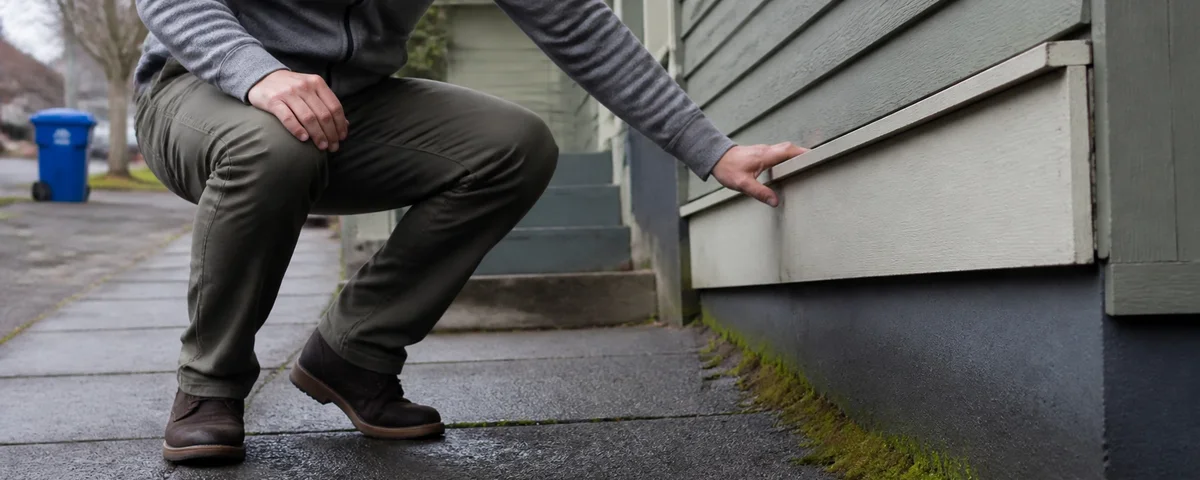
Fiber-cement siding deserves special attention in our market. Portland receives roughly 37 inches of rain annually, and older homes with wood siding often show signs of moisture damage, peeling paint, or rot—particularly on north-facing walls. For buyers, damaged siding raises immediate red flags about what else might be deteriorating behind the walls.
Replacing damaged wood siding with fiber-cement eliminates that concern entirely. At 114% ROI, it’s one of the rare mid-range projects that actually returns more than its cost. If your home has visible siding issues, this upgrade is worth a serious conversation before listing.
Portland Market Context: Why Condition Matters More Now
In a seller’s market with limited inventory, buyers often overlook cosmetic issues because they have fewer choices. Portland’s current market is more balanced. Inventory has increased, days on market have lengthened, and buyers are more selective about condition. That means deferred maintenance that might have been forgiven in 2021 or 2022 now directly impacts how many showings you get and how strong the offers are.
The practical takeaway: in today’s market, strategic pre-listing prep isn’t optional—it’s the difference between selling well and sitting on the market. Check the market snapshot for current conditions.
How to Prioritize Your Home Prep in Portland
Every home and budget is different, but a smart pre-listing strategy usually follows a clear hierarchy. The goal isn’t to do everything—it’s to do the right things in the right order.
The Prioritization Framework
Before spending on upgrades, homeowners should work through these steps in order:
- Start with what buyers notice first. Curb appeal and entry experience shape the entire showing. If your exterior doesn’t create a positive first impression, interior updates won’t carry their full weight.
- Focus on 100%+ ROI projects. Garage doors, entry doors, paint, and landscaping consistently return their cost or more. Prioritize these before anything else.
- Match upgrades to your price point. A $475,000 home in Lents doesn’t need the same level of finish as an $850,000 home in Alameda. Over-improving relative to your neighborhood’s price ceiling wastes money.
- Avoid highly personalized renovations. Custom tile patterns, bold accent walls, and niche fixtures appeal to your taste but may not appeal to your buyer. Neutral choices have broader market appeal.
- Consider deep cleaning and staging first. Many sellers think their home needs multiple upgrades when, in reality, it needs a professional deep clean, decluttering, and strategic staging. These are often the fastest, cheapest ways to improve buyer perception.
| Priority Level | Projects | Typical Budget | Expected Impact |
|---|---|---|---|
| Do First | Deep clean, declutter, yard cleanup, minor repairs | $500–$1,500 | Removes buyer objections; makes photos presentable |
| High ROI | Interior paint, garage door, entry door, curb appeal | $2,000–$8,000 | Directly increases perceived value; 100%–268% ROI |
| Worth Considering | Hardwood refinishing, closet systems, smart home | $3,000–$6,000 | Differentiates from competition; appeals to modern buyers |
| Only If Needed | Deck, patio, siding, larger landscaping | $10,000–$25,000 | Strong ROI but higher commitment; weigh against timeline |
| Proceed With Caution | Kitchen remodel, bathroom renovation, room additions | $20,000–$50,000+ | Rarely recovers full cost; risk of over-improving for your area |
Example: Two Approaches, Same $5,000 Budget
Seller A spends $5,000 on a partial kitchen update—new countertops and a backsplash. The kitchen looks better, but the dated cabinets, worn exterior, and scuffed floors remain. Estimated recovery: $2,500–$3,000 (50–60% ROI).
Seller B spreads $5,000 across four projects: interior paint ($2,200), hardwood refinishing ($1,800), yard cleanup ($415), and new entry hardware ($250). Every room and the entire exterior are improved. Estimated recovery: $6,500–$8,000 (130–160% ROI).
Seller B’s home photographs better, feels better during showings, and generates stronger offers—all from the same budget.
When This Advice Doesn’t Apply
- If your home has major structural or systems issues (roof, foundation, HVAC, plumbing), those take priority over cosmetic upgrades. Buyers with inspectors will find them, and unresolved structural problems can kill deals entirely.
- If you’re selling to investors or in as-is condition, cosmetic prep offers minimal return. Investor buyers discount based on their own renovation plans, regardless of your updates.
- If your home is already in excellent condition, resist the urge to over-improve. A home that’s clean, well-maintained, and neutrally presented may just need professional photos and thoughtful staging—not more money spent on upgrades.
- If you’re priced near your neighborhood’s ceiling, additional improvements won’t push the price past what comparable sales support. The market sets the upper bound, not the upgrades.
The One Step Most Sellers Skip
Before spending anything on upgrades, have a conversation with your real estate agent. Not after you’ve already booked the contractor or bought the paint—before.
An experienced agent who knows your neighborhood can walk through your home and tell you which updates will actually move the needle for your specific property, your specific price point, and your specific buyer pool. Sometimes the answer is “paint, clean, and list.” Sometimes it’s “that siding issue needs attention.” And sometimes it’s “your home is already in great shape—let’s focus the budget on staging and professional photography instead.”
The goal is to focus your investment on updates that actually move your home’s value in the right direction. Strategic, ROI-backed improvements consistently lead to stronger offers, faster sales, and less stress during negotiations.
“The smartest pre-listing investment isn’t always the most expensive one. It’s the one your buyer will actually notice.”
Frequently Asked Questions
What home improvement has the highest ROI before selling?
Garage door replacement consistently ranks highest at approximately 268% ROI. It costs around $4,672 and adds roughly $12,507 in resale value. The reason is simple—it’s the largest visual surface on most home exteriors and instantly changes how the home is perceived from the street.
How much should I spend on pre-listing updates?
Most Portland sellers see the best return from focused improvements in the $2,000–$8,000 range: interior paint, curb appeal, and one or two targeted fixes. Major renovations before selling rarely recover their full cost. A home evaluation can identify which updates will matter most for your specific property.
Is it worth repainting my house before selling?
Almost always yes—if you have bold, dated, or heavily worn paint. Interior painting in warm neutrals costs $2–$6 per square foot and returns about 107% of its cost. It photographs better, shows better in person, and removes one of the most common buyer objections. If your walls are already neutral and in good condition, the money is better spent elsewhere.
Does curb appeal really affect how much a home sells for?
Curb appeal primarily affects buyer engagement—how many people schedule showings, how they feel walking in, and whether they stay long enough to connect with the home. Homes with strong curb appeal tend to sell faster and attract more competitive offers. The investment is typically $500–$7,500 depending on scope, with projects like yard cleanup ($415, 217% ROI) offering outsized returns.
Should I renovate my kitchen before listing?
Usually not. A midrange kitchen remodel costs $28,000–$35,000 and typically recovers only 50–60% of its cost. Unless your kitchen is severely outdated or nonfunctional, you’re better off investing that budget across multiple high-ROI projects—paint, curb appeal, flooring—that collectively deliver more return. A focused $5,000 spread across visible improvements almost always outperforms a $30,000 kitchen spend.
Are smart-home upgrades worth adding before selling?
At about 87% ROI, smart-home upgrades don’t fully recover their cost, but they serve a different purpose: signaling that a home is current and well-maintained. A smart thermostat, video doorbell, and smart lock ($300–$600 total) are low-cost additions that create a “modern home” impression. Skip the elaborate whole-home automation systems before selling.
How do I know if my home needs updates or just staging?
If your home is structurally sound, has neutral paint, functional systems, and no visible deferred maintenance, it probably just needs professional cleaning, decluttering, and staging. If buyers would walk in and immediately notice worn floors, bold paint colors, a neglected yard, or dated fixtures, targeted updates are worth the investment. An agent walkthrough is the fastest way to know which category you’re in.
What’s the biggest home prep mistake Portland sellers make?
Over-improving relative to the neighborhood’s price ceiling. A $50,000 renovation on a home in a $475,000 neighborhood won’t push the sale price to $525,000—comparable sales set the ceiling regardless of upgrades. The second most common mistake is spending the entire prep budget on one project (usually a kitchen) while neglecting curb appeal, paint, and flooring that collectively deliver more impact.
Not Sure Where to Start With Your Home Prep?
A quick walkthrough can help you identify which updates will actually move the needle—and which ones you can skip entirely. No pressure, no pitch. Just a clear-eyed look at what your home needs to compete in Portland’s current market.
Search the Newest Listings for Sale in Portland Metro
Questions about Portland real estate or ready to explore your options?
Joe Saling provides calm, strategic guidance for buyers and sellers across Portland.
Data Sources & Verification: ROI and cost data from National Association of Realtors / National Association of the Remodeling Industry 2024 Remodeling Impact Report. Additional project data from ACE Handyman Services. Market context from RMLS (Regional Multiple Listing Service). Data verified: February 2026
About the Author: Joe Saling is a Portland-based Real Estate Advisor with eXp Realty, specializing in urban neighborhoods, view properties, and lifestyle-driven communities. Joe’s approach is calm, consultative, and grounded in real data—not hype. For personalized guidance on Portland real estate, visit SellingPDXHomes.com.
Categories
- All Blogs (93)
- Buying a Home (35)
- Community Page (14)
- Downsizing (7)
- Home Buying Process (7)
- Homeownership (6)
- Increasing Your Homes Value (4)
- Local Events (2)
- Market Update (21)
- Mortgage Information (9)
- Neighborhood Eats and Experiences (1)
- neighborhood info (3)
- Real Estate News (15)
- Selling Your Home (20)
Recent Posts







GET MORE INFORMATION