What Actually Makes a Listing Stand Out in Portland | 2026

In a 2026 market where buyers scroll past dozens of listings, presentation is the first filter your home has to pass.
What Actually Makes a Listing Stand Out in Portland's 2026 Market
The listings winning in 2026 are not the cheapest or the biggest. They are the most prepared. In a Portland metro market where active inventory is climbing and buyers are negotiating larger discounts than at any point since 2019, sellers need a different playbook. That playbook has three chapters: invest in scroll-stopping professional media, be transparent about your home's condition before the first showing, and price with precision from day one. Miss any of the three and you are watching your listing sit while the competition moves.
The playbook for selling a home has changed fast. Buyers have more options, more leverage, and they are using both.
Active housing inventory rose more than 16% year-over-year in 2025, one of the largest annual increases since the pandemic-era crunch. At the same time, the majority of homebuyers last year paid below the original list price, with the average discount reaching levels not seen in over a decade.
Here in the Portland metro, I have seen this shift play out in real time. Listings that would have drawn five offers in 2021 are sitting for three or four weeks. Homes priced even 3-5% above where comparable sales suggest they should be are watching days on market climb while the seller waits for a buyer who is not coming at that number. The market has not collapsed. But the margin for error has. And the sellers who recognize that early are the ones closing on their terms.
Here is what separating the listings that move from the ones that sit actually looks like.
Know What the 2026 Buyer Is Filtering For
Before we talk strategy, it helps to understand what is driving buyer decisions right now. It is not just about bedrooms and bathrooms anymore. Today's buyer is thinking about what a home will cost them after they buy it.
Layout and Function Over Size
According to the Better Homes & Gardens Real Estate 2026 Design Trends Report, the vast majority of buyers say flexible layouts help them see past square footage. Dedicated home offices, walk-in pantries, and multipurpose rooms are outweighing raw size. Nearly half of buyers in that same study said they will not buy a home that does not feel right the moment they walk in.
If you are selling a 2,400-square-foot home in Tigard with a choppy floor plan and small kitchen, a 1,800-square-foot home down the street with an open layout and a functional pantry may be your real competition. Square footage alone does not win anymore.
Move-In Ready Is Increasingly Non-Negotiable
Home inspections are the number one reason deals fall apart today. In mid-2025, roughly 15% of pending sales fell through, above the 12% historical norm, largely because financially stretched buyers are not willing to absorb surprise repair costs.
Oregon's property disclosure laws already require sellers to disclose known material defects. But disclosure is not the same as preparation. Buyers in this market are not just reading your disclosure. They are hiring inspectors who will find what you did not disclose because you genuinely did not know. The tolerance for deferred maintenance has evaporated. When a buyer sees deferred maintenance, they do not see potential. They see risk.
According to a HomeLight survey of agents, a significant majority report that buyers are requesting closing cost credits, and roughly one in five agents recommend sellers reduce their price based on inspection findings. That means every deferred repair has a dollar value, and the buyer is going to calculate it.
Energy Efficiency as a Financial Filter
Energy efficiency is not just a lifestyle preference anymore. Buyers are evaluating it as a financial hedge against utility costs, climate risk, and future insurability. In the Pacific Northwest, where winter heating costs and summer cooling are both real budget items, features like updated HVAC systems, quality windows, and heat pump conversions are landing differently with buyers than they did even two years ago.
Sellers who understand this can position those features not as nice-to-haves but as cost-saving assets that reduce the buyer's total monthly expense. If you have already invested in energy improvements, make sure your listing highlights those home improvements that add the most value.
Win the Screen Before You Win the Showing
The online listing is the first showing. By the time a buyer walks through the front door, they have already decided they are interested, or they have already scrolled past.
The First Photo Is Everything
Research consistently shows that listing photos are the most critical factor buyers consider when evaluating a property online. Not the price. Not the description. The photo.
According to industry research compiled by PhotoUp, listings with professional photography receive significantly more views and sell faster than those without. In a market where inventory is rising and buyers are more selective, professional photography is not an optional upgrade. It is a baseline expectation.
Listings with professional photography receive up to 61% more online views and sell up to 32% faster than listings without professional photos. Source: PhotoUp, 2025 real estate photography statistics.
Go Beyond Standard Photography
Standard photography gets you in the game. Going beyond standard photography is what generates momentum. Twilight photos used as the primary listing image can dramatically increase views. Homes with aerial or drone photography often sell faster. And listings with video content generate significantly more buyer inquiries.
These are not small edges. In a market where buyers have more options, these are the differences that help a listing break through the noise. If you have not already, review the seven proven steps to stage your home to sell before your photographer arrives.
3D Tours Are Becoming Expected
Virtual tours accomplish two things at once. They filter out buyers who are not a good fit before anyone's time is wasted. And they give serious buyers the confidence to move faster when they do show up in person.
According to Matterport research, listings with 3D virtual tours can sell significantly faster and for a higher price. Worth noting: Matterport is a virtual tour provider, so these are self-reported figures. But the directional takeaway is consistent with what I see in the Portland metro. Buyers who have already walked the home virtually show up to in-person showings more prepared and more decisive.
The visual package for your listing is doing the work of an open house before anyone sets foot in the property. If the first photo does not stop the scroll, the square footage and the price never get a chance to matter.
Remove Every Reason to Say No
In a slower market, uncertainty creates lower offers or no offers at all. Every unanswered question is a reason to negotiate down or walk away.
The smartest move? Answer the hard questions before they are asked.
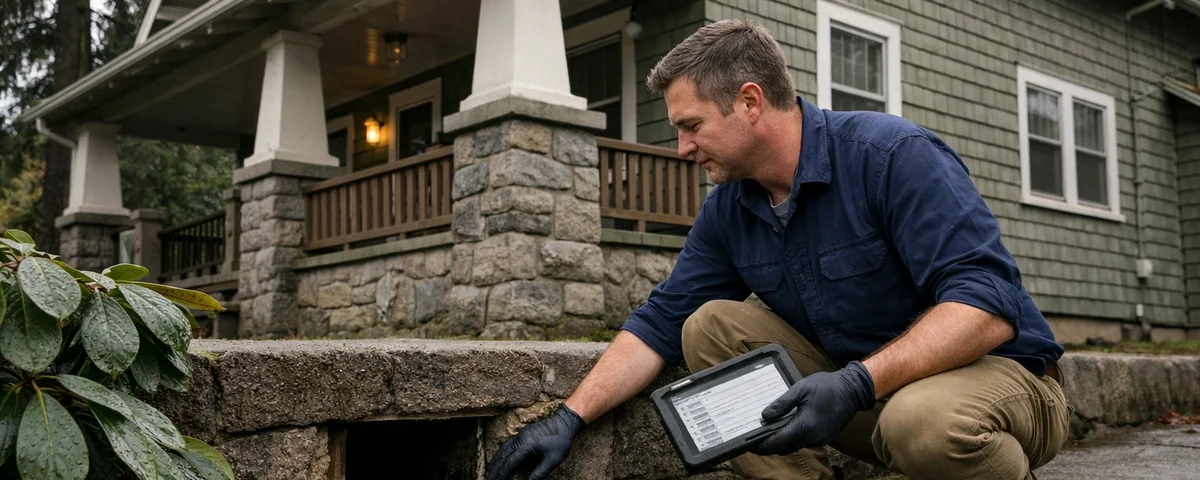
That starts with a pre-listing inspection. For $300 to $800, a seller can identify and address issues on their own timeline and terms, before a buyer's inspector turns a minor finding into a deal-killing negotiation. NAR has actively encouraged this approach as a strategy for preventing canceled contracts and giving sellers the opportunity to handle repairs before the For Sale sign goes up.
Beyond the inspection, consider providing buyers with the ages of major systems (HVAC, roof, water heater), a 12-month utility cost history, and documentation of any recent repairs. This is not about over-sharing. It is about removing the discount that buyers are mentally applying to account for risk and uncertainty.
Assemble these before listing: pre-listing inspection report, ages and service records for HVAC, water heater, and roof, 12 months of utility bills, permits for any recent work, and a one-page summary of what you have invested in the home over the past five years. This package does not just help the buyer. It signals that you are a serious, prepared seller, which sets a more professional tone for the entire negotiation. For a complete step-by-step timeline, see the seller's prep timeline checklist.
Photos win hearts. Data wins brains. A winning listing needs both.

The transparency package above may feel like overkill if you have never sold before, but it is the single most effective way to control the narrative. First-time sellers often underestimate how much leverage a buyer's inspection creates. Spending $500 upfront on a pre-listing inspection can save you $10,000 or more in concessions you did not see coming. Pair it with a home seller guide and you will walk into the process with a clear picture of what to expect.
Price It Right or Pay the Price
Everything above, understanding the buyer, presenting beautifully, being transparent, leads here. Pricing. Overpriced listings do not just sit longer. They sell for less than if they had been priced correctly from the start.
The Overpricing Trap
Roughly 39% of all listings nationwide had price reductions in 2025. The typical home sold for nearly 4% under its asking price during peak season, the steepest discount in six years.
When a listing sits, days on market climb and buyers start to assume something is wrong, even when the only issue was the price. That stigma is real and hard to undo. I have seen it happen in every price band across the Portland metro, from $400,000 starter homes in Gresham to $800,000 listings in Lake Oswego. The pattern is the same: overprice by 5%, sit for six weeks, reduce by 3%, sit for three more weeks, reduce again. By the time it sells, the final price is lower than where it should have been listed originally. This is one of the most common and most costly mistakes sellers make.
The First Two Weeks Are Everything
A listing's visibility and buyer interest peak immediately after launch. Pricing high to see what happens is a dangerous gamble because every week of inactivity makes the next correction less effective.
Pricing competitively from the start can attract multiple offers and often results in a higher final sale price. The goal is not to leave money on the table by underpricing. The goal is to price with precision, right at the point where serious buyers recognize value and act fast. You can see how current pricing trends are playing out in the Portland real estate market data.
Homes with repeated small price reductions sell for significantly less as a percentage of original list price than those with one well-timed strategic adjustment. Source: NAR research on listing price reductions, 2025.
One Bold Move Beats Death by a Thousand Cuts
Multiple small reductions signal desperation and train buyers to wait for the next drop. A single strategic correction, aggressive enough to restart the clock, is almost always more effective.
The market reads hesitation as weakness. Pricing correctly from day one is not conservative. It is strategic. And it is one of the most valuable things a good agent brings to the table. For more on maximizing your return, read these tips to maximize your home's sale price.

If your home has been on the market for more than three weeks without a strong offer, the price is almost always the primary issue. But before you make another small reduction, stop and evaluate the full picture: are the photos competitive, is there a virtual tour, and has the buyer feedback pointed to condition concerns? A single strategic correction paired with refreshed media and a transparency package is almost always more effective than another 1-2% trim. The goal is to restart the clock, not nibble at the edges.
The biggest risk for experienced sellers in 2026 is assuming the market still works the way it did last time. If you sold in 2020 or 2021, the leverage dynamics have shifted significantly. Buyers today are negotiating harder, inspecting more thoroughly, and walking away more willingly. The preparation bar is higher, but the good news is that experienced sellers are usually in the best position to meet it. Invest in the full presentation and transparency stack up front and you will see it reflected in the speed and strength of your offers.
Not every listing needs to check all of these boxes to sell. In genuinely competitive micro-markets within the Portland metro, or for properties priced well below area medians, strong demand can compensate for less polish. A well-located, well-priced home in a supply-constrained pocket can still move fast with basic photos and minimal preparation.
This analysis is about the difference between "sold" and "sold well" in a market where buyers have options. If you are selling a unique property in a high-demand area with limited comparable inventory, the calculus changes. The strategy outlined here is most relevant for the majority of Portland metro sellers competing in price bands where multiple similar listings are active at the same time.
Frequently Asked Questions
How do I make my home listing stand out in 2026?
Focus on three things: professional-quality media that stops the scroll, transparency that builds buyer confidence before the first showing, and precise pricing from day one. In a market where buyers have more options and more leverage, the listings that win are the ones that eliminate every reason to hesitate. Start with professional photography, consider a pre-listing inspection, and price based on current comparable sales rather than what you hope the home is worth.
Is professional real estate photography worth the cost?
Yes. Research shows that listings with professional photography receive significantly more online views and sell faster than those without. In a rising-inventory market where buyers are scrolling past dozens of listings, the first photo determines whether anyone clicks through to read the details. The cost of professional photography is typically a few hundred dollars. The cost of a listing that sits because the photos did not stop the scroll is measured in thousands.
What is a pre-listing home inspection and should I get one?
A pre-listing inspection is a professional home inspection ordered by the seller before the home goes on the market. It typically costs between $300 and $800 and gives you the chance to identify and address issues on your own timeline rather than having a buyer's inspector turn minor findings into major negotiation points. NAR has encouraged this approach as a way to prevent canceled contracts. It is one of the most cost-effective steps a seller can take.
How do I price my home to sell in a buyer's market?
Start with current comparable sales data, not aspirational pricing or what your neighbor sold for two years ago. A listing's visibility and buyer interest peak immediately after launch, so pricing high to test the market is risky. If the data shows your home should be listed at $525,000, listing at $549,000 and hoping for the best usually costs more than it gains. The goal is to price at the point where serious buyers recognize value and act quickly.
Why is my house not selling in Portland?
The most common reasons are pricing, presentation, and unresolved buyer concerns. If your listing has been on the market for more than three weeks without strong showing activity, the price is likely the primary issue. If you are getting showings but no offers, buyers may be seeing condition issues or deferred maintenance that makes them hesitant. Review your listing photos critically, consider a price adjustment, and ask your agent for honest feedback from showing agents.
What do homebuyers care about most in 2026?
Today's buyers are evaluating homes based on total cost of ownership, not just the purchase price. Flexible layouts, move-in readiness, and energy efficiency features like updated HVAC systems and quality windows are top priorities. Buyers are also less willing to absorb surprise repair costs, which means deferred maintenance is a bigger deal-breaker than it was even a few years ago. Homes that feel ready to move into on day one are consistently outperforming those that need work.
Should I do a price reduction or take my home off the market?
It depends on how long the home has been listed and how many reductions you have already made. If this would be your first adjustment and the home has been on market for three to four weeks, a single well-sized reduction is usually the right move. Multiple small reductions signal desperation and train buyers to wait for the next drop. If the listing has already had two or more reductions, taking it off market, addressing any condition issues, and relisting with a fresh strategy may be more effective.
How important are virtual tours for selling a home?
Virtual tours have become increasingly expected by buyers, especially those relocating or narrowing their search before visiting in person. According to Matterport research, listings with 3D virtual tours can sell significantly faster and for a higher price. Beyond the potential price benefit, virtual tours serve a practical purpose. They help filter out buyers who are not a good fit before anyone's time is spent on an in-person showing, and they give serious buyers the confidence to move faster.
Ready to List or Need a New Strategy?
Whether you are preparing to list your Portland metro home or you have a listing that is not performing the way you expected, the difference between a home that moves and one that sits often comes down to strategy, not the property itself. I would be happy to walk through your specific situation and put together a plan that positions your home to compete.
Data Sources and References (as of March 2026)
- HousingWire, "The U.S. Housing Market in 2025: A Year of Normalization." housingwire.com
- Redfin, "Homebuyers Are Scoring the Biggest Discounts in 13 Years." redfin.com
- Better Homes & Gardens Real Estate, 2026 Design Trends Report (via HousingWire). housingwire.com
- Redfin, "Why 15% of Home Sales Are Falling Apart." redfin.com
- HomeLight, "What Buyers Want in a Home: Top Must-Haves in 2026." homelight.com
- PhotoUp, "Hot Real Estate Photography Statistics You Need to Know in 2025." photoup.net
- Matterport, "With 3D Tours, Properties Sell Up to 31% Faster and at a Higher Price." matterport.com
- NAR Magazine, "Agents Turn to Pre-Listing Inspections to Prevent Canceled Contracts." nar.realtor
- NAR Magazine, "Listing Price Reduction? How to Navigate It With Buyers, Sellers." nar.realtor
- Redfin, "Home Sellers Are Cutting Prices at a Record Rate to Lure Skittish Buyers." redfin.com
Saling Homes at eXp Realty is committed to equal housing opportunity. We do not discriminate on the basis of race, color, religion, sex, handicap, familial status, or national origin.
Categories
- All Blogs (92)
- Buying a Home (34)
- Community Page (14)
- Downsizing (7)
- Home Buying Process (7)
- Homeownership (6)
- Increasing Your Homes Value (4)
- Local Events (2)
- Market Update (20)
- Mortgage Information (9)
- Neighborhood Eats and Experiences (1)
- neighborhood info (3)
- Real Estate News (14)
- Selling Your Home (19)
Recent Posts







GET MORE INFORMATION