Portland Downsizing Checklist: What to Do 6 Months Before You Move
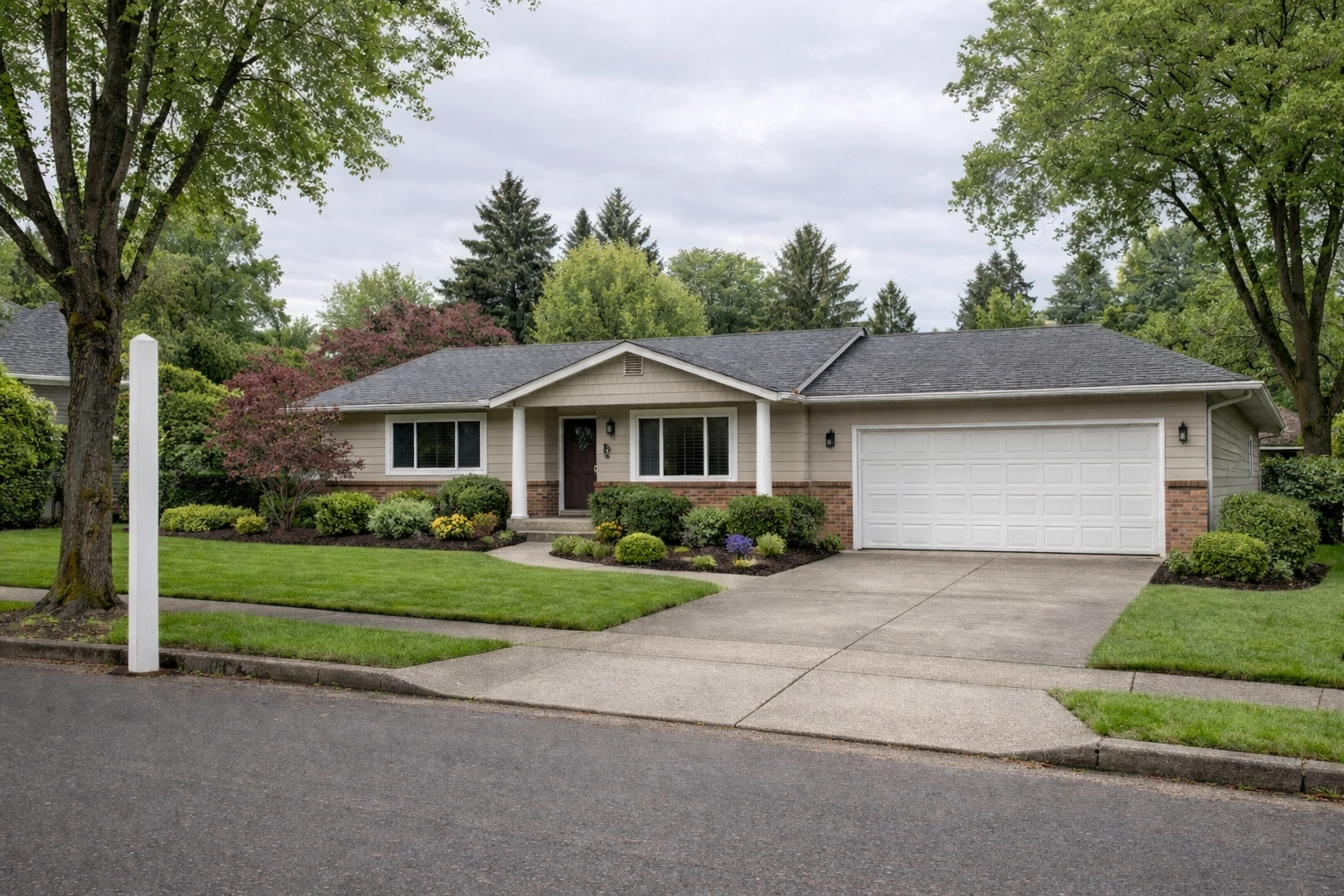
Portland, Oregon. A single-level home in the Portland metro area ready for its next chapter.
Downsizing a Portland home is one of the biggest financial and emotional transitions you will make as a homeowner. The good news is that with the right timeline, it does not have to feel overwhelming. This checklist walks you through exactly what to do at each stage, from six months out to move week, so you can sell with confidence, avoid costly surprises, and settle into your next home without the chaos.
What Should Be on Your Downsizing Checklist?
A solid downsizing checklist starts six months before your target move date. The first priorities are understanding your home equity, consulting a CPA on capital gains implications, and beginning the decluttering process room by room. From there, you layer in home prep, neighborhood research for your next property, listing strategy, and moving logistics. Portland homeowners should also factor in Oregon-specific items like the senior property tax deferral program and seasonal timing that affects both your sale price and your moving costs.
6 Months Out: Know Your Numbers
Six months feels early, but this is the window where the most important decisions happen. Everything that follows depends on getting these numbers right.
Get a Current Home Valuation
Your home's value may have shifted significantly since you last checked. Online estimates are a starting point, but they do not account for condition, upgrades, or neighborhood-level trends. A comparative market analysis from a local advisor gives you the specific number you need to plan around. This is free and there is no commitment attached.
Run the Equity Math
Subtract your remaining mortgage balance from your estimated sale price. Then subtract estimated selling costs, which typically run 7-9% of the sale price in the Portland metro area when you include agent commissions, title, escrow, and closing fees. The number you are left with is your working equity. That number determines your budget for the next home, moving costs, and any cash reserve. For a complete breakdown of every expense on both sides of the transaction, see the full cost to downsize in Portland guide.
Portland Example: Equity Calculation for a Typical Downsizer
A homeowner in the Sellwood-Moreland area purchased in 2012 for $310,000 and owes $140,000. Current market value is approximately $625,000. After 8% in selling costs ($50,000), the working equity is roughly $435,000. That is a strong position for purchasing a smaller home or condo in most Portland metro communities.
Consult a CPA on Capital Gains
If you have owned and lived in your home for at least two of the last five years, you likely qualify for the federal capital gains exclusion: up to $250,000 for single filers or $500,000 for married couples filing jointly. Oregon follows the same exclusion thresholds, but any gains above the exclusion are taxed as ordinary income at state rates ranging from 4.75% to 9.9%. For long-held Portland homes with significant appreciation, this conversation is not optional. For a deeper breakdown, see the Portland homeowner tax deductions guide.
Start the Keep, Donate, Sell Process
Begin with one room per weekend. The six-month runway exists specifically so you do not have to make these decisions under pressure. Start with the rooms you use least: guest bedrooms, the garage, storage areas. Sort everything into four categories: keep, donate, sell, and discard. Photograph sentimental items you are ready to release. This early start is the single biggest stress reducer in the entire process.
4 Months Out: Research and Prepare
With your financial picture clear, this phase is about answering two questions: where are you going, and what does your current home need before it goes on the market?
Research Target Neighborhoods and Property Types
Downsizing does not mean settling. It means matching your home to how you actually live today. Start by deciding which property type fits: a condo with minimal maintenance, a single-level ranch for accessibility, or a smaller single-family home with a manageable yard. The downsizing hub has county-specific search pages for condos and single-level homes across Clackamas, Multnomah, and Washington counties. For a neighborhood-by-neighborhood comparison of condos, suburban ranches, and value pockets, see the best places to downsize in Portland.

Decide: Sell First or Buy First?
In the Portland metro market, selling first is typically the safer strategy for downsizers. It gives you a known budget, eliminates the risk of carrying two mortgages, and makes your offer on the next home stronger because it is not contingent on a sale. The trade-off is a potential gap between closing and moving into the new place. Discuss bridge options with your advisor early so you have a plan if timing does not overlap perfectly.
Evaluate Your Sell-First Timeline
Ask your real estate advisor two questions: How long are homes in your price range and neighborhood currently taking to sell? And how quickly can you find and close on a smaller replacement home? The gap between those two answers determines whether you need temporary housing, a rent-back agreement, or whether the timing can overlap naturally.
Begin Home Prep and Repairs
Buyers pay top dollar for homes that feel move-in ready. Four months out is the time to handle deferred maintenance: touch-up paint, fix leaky faucets, clean gutters, and address anything that would show up on an inspection. For guidance on which improvements actually move the needle on sale price, see the improvements that add the most value before selling.
2 Months Out: List and Declutter
This is the execution phase. Your home should be approaching show-ready condition, and your decluttering should be well ahead of schedule.
Finalize Your Listing Strategy
Work with your advisor on pricing, staging, and photography. A decluttered, well-staged home photographs better and sells faster. For downsizers, staging often means removing furniture rather than adding it, because buyers need to see the space, not your belongings. The staging guide covers specific strategies for making large homes feel open and inviting. If your current home is 2,500 square feet or larger, the guide to selling a large home in Portland covers pricing and staging strategies specific to bigger properties.
Measure Your Target Home
Before you start shopping seriously, get exact dimensions of the homes you are considering. Measure doorways, hallways, and closets. Then measure your furniture. A king bed that fits perfectly in your current primary suite may not clear the doorframe of a condo bedroom. Apps like MagicPlan can help you create a digital floor plan, but a tape measure and a notepad work just as well.
Watch For: The Furniture Trap
One of the most common downsizing regrets is moving furniture that does not fit the new space. If a piece will not work in the smaller home, sell or donate it now rather than paying movers to transport it and then dealing with it later. Be honest about what you actually use versus what you are keeping out of habit.
Schedule Estate Sale or Donation Pickups
If you have significant furniture, collectibles, or household goods to move out, book an estate sale company or schedule donation pickups now. Portland-area organizations like Habitat for Humanity ReStore accept furniture, appliances, and building materials. Estate sale professionals typically take a 30-40% commission but handle everything from pricing to cleanup.
1 Month Out: Lock In Logistics
With one month to go, the focus shifts from preparation to logistics. This is where the timeline gets real.
Book Your Moving Company
Local movers in Portland typically charge $90-$200 per hour per mover. For a 3-bedroom home, expect to pay roughly $1,500-$2,500 for a local move. Booking at least four weeks out gives you access to better availability and pricing. If you are moving during summer months (May through September), costs can run 20-30% higher due to peak demand. A midweek, mid-month move in the off-season is the most affordable option.
Portland Local Moving Costs by Home Size
One-bedroom: approximately $540 with 2 movers for 3 hours. Two-bedroom: approximately $1,350 with 3 movers for 5 hours. Three-bedroom: approximately $2,160 with 4 movers for 6 hours. Four-bedroom: approximately $3,600 with 4 movers for 8 hours. These are averages for local Portland moves under 30 miles.
Source: MoveAdvisor, 2025 Portland data

Handle Oregon-Specific Items
If you are 62 or older and considering staying in your current home instead, Oregon offers a Senior Property Tax Deferral Program. The 2026 household income limit is $70,000, and the real market value minimum cap is $301,000. The state pays your property taxes and places a lien on the property at 6% annual interest. This is not a reason to avoid downsizing, but it is a data point worth understanding before you make a final decision. Visit the Oregon Department of Revenue deferral page for full details. If you are still weighing whether to downsize at all, the downsizing vs. aging in place comparison walks through both options side by side.
This is one of those moments where your specific numbers matter more than any general advice. Your equity, your tax situation, your monthly budget in retirement, and the kind of home you actually want to live in all factor into the math. If you are at this stage and want someone to walk through the numbers with you before you commit either way, a quick planning conversation can save you months of second-guessing.
Set Up Mail Forwarding and Transfer Utilities
Submit a change of address with USPS at least two weeks before your move date. Contact Portland General Electric, NW Natural, and your water provider to schedule service transfers. If you are moving from Portland proper to a suburb, your utility providers may change entirely. Make a list now so nothing falls through the cracks in the final week.
2 Weeks Out: Final Details
Two weeks out is about confirming what is already in motion and handling the details that are easy to overlook.
Walk Through Your New Space One More Time
If possible, visit your new home with a tape measure and your furniture list. Confirm that everything you plan to bring will actually fit. Check closet configurations, kitchen cabinet space, and garage dimensions. This is your last opportunity to adjust the plan before movers arrive.
Pack an Essentials Bag
Pack a bag (or box) with everything you need for the first 48 hours in your new home: medications, phone chargers, toiletries, a change of clothes, important documents, basic kitchen items, and pet supplies if applicable. This bag goes with you, not on the truck. Moving day is chaotic, and having immediate access to essentials makes the first night in your new place significantly more comfortable.
Confirm All Moving Day Logistics
Call your moving company to confirm the date, arrival time, and any special instructions (stairs, narrow doorways, elevator reservations). If you are moving into a condo or apartment building in Portland, check whether you need to reserve the elevator or loading dock in advance. Many buildings require 48-72 hours notice. For more details, the moving tips guide covers the logistics step by step.
Move Week: Execute the Plan
If you followed the timeline, move week should be the simplest part of the entire process. Most of the heavy lifting, both literal and figurative, is already done.
Portland-Specific Moving Tips
If you are moving between October and May, plan for rain. Cover furniture and boxes with plastic sheeting or tarps. Movers will work in rain, but wet cardboard fails fast. If you are moving to or from a Portland street without a driveway, you may need a temporary parking permit from the city to reserve curb space for the moving truck.
Moving Day Game Plan
Be at your current home when movers arrive. Walk them through the house, flag fragile items, and point out anything that needs special handling. Take photos of valuable items before they go on the truck. Keep your essentials bag, important documents, and medications in your own vehicle. Once the truck is loaded, do a final walkthrough of every room, closet, and storage area before you hand over the keys.
Settle In Without Rebuilding Clutter
Once you are in the new space, resist the urge to unpack everything on day one. Set up the bedroom, kitchen, and bathroom first. Live with the space for a week before deciding where everything goes. The biggest risk after a successful downsize is immediately filling the new, smaller space with things you do not need. Give yourself permission to leave rooms a little empty. That breathing room is the whole point.
When This Checklist Does Not Apply
When This Timeline Does Not Fit
This checklist assumes a planned, voluntary downsizing move with a six-month runway. If you are downsizing because of a health event, a sudden financial change, a divorce, or the loss of a spouse, the timeline may compress significantly. In those situations, the priorities shift: secure your financial picture first, lean on professionals to handle the logistics you cannot manage alone, and give yourself permission to make imperfect decisions rather than no decisions.
If you are navigating an urgent transition, reach out directly and we can help you build a condensed plan that fits your situation.
Frequently Asked Questions About Downsizing in Portland
How far in advance should I start preparing to downsize?
Six months is the recommended minimum for a well-planned downsizing move. This gives you enough time to understand your equity, consult a CPA, declutter at a manageable pace, prep your home for sale, and research your next property without making rushed decisions. If you have a large home with decades of belongings, starting even earlier can reduce stress significantly.
Should I renovate my large home before selling to downsize?
Major renovations are rarely worth it when you are selling to downsize. Focus on repairs and cosmetic updates that have a high return: fresh paint, clean landscaping, updated light fixtures, and fixing anything that would flag on an inspection. The goal is to present a clean, well-maintained home, not a newly remodeled one. The improvements guide covers which projects actually move the needle on sale price in Portland.
What are the tax implications of selling a long-held Portland home?
If you have owned and lived in your home for at least two of the last five years, you can exclude up to $250,000 (single) or $500,000 (married filing jointly) of capital gains from federal taxes. Oregon follows the same exclusion. Any gains above the exclusion are taxed as ordinary income by the state at rates up to 9.9%. For homes purchased 15-20 years ago in Portland, the appreciation may exceed the exclusion, making early CPA consultation essential.
How much does it cost to move locally in Portland?
Local movers in Portland charge roughly $90-$200 per hour per mover. A 2-bedroom local move averages around $1,350 and a 3-bedroom averages around $2,160. Summer moves cost 20-30% more than off-season moves, and midweek moves are generally cheaper than weekends. Get at least three quotes and confirm that the estimate includes travel time, fuel surcharges, and any stair or long-carry fees.
Should I sell first or buy first when downsizing?
For most Portland downsizers, selling first is the safer approach. It gives you a confirmed budget, removes the risk of carrying two mortgage payments, and makes your offer on the next home more competitive. The trade-off is potential temporary housing between closings. Discuss bridge financing, rent-back agreements, or extended closing timelines with your advisor to minimize any gap.
How do I decide what to keep when downsizing?
Start with the floor plan of your target home. If a piece of furniture does not have a specific place in the new layout, it should not make the move. For sentimental items, photograph them before letting go. Work through one room at a time starting with the spaces you use least. The earlier you begin, the less emotional the process becomes, because you are making choices on your own timeline rather than under pressure.
What Portland-area resources help with decluttering and estate sales?
Habitat for Humanity ReStore accepts furniture, appliances, and building materials and will schedule pickups. Local estate sale companies typically handle pricing, marketing, and cleanup for a 30-40% commission. For large-scale decluttering, Portland-area junk removal services offer same-day or scheduled pickups. Goodwill, the Oregon Humane Society thrift stores, and neighborhood Buy Nothing groups on Facebook are additional options for rehoming usable items.
Does the Oregon senior property tax deferral program affect my decision to downsize?
The Oregon Senior Property Tax Deferral Program lets homeowners 62 and older defer property taxes if their household income is under $70,000 (2026 limit). The state pays the taxes and places a lien at 6% annual interest. This can help with cash flow if you prefer to stay, but it does not eliminate the taxes, it delays them. For many homeowners, the equity freed by downsizing outweighs the deferral benefit. A CPA or financial advisor can help you compare the two paths side by side.
Ready to Start Your Downsizing Plan?
Every downsizing situation is different. Whether you are six months out or just starting to think about it, a conversation about your specific home, equity, and goals is the best first step.
Downsizer-Friendly Homes for Sale in Portland Metro
Browse current listings filtered for smaller homes, condos, and single-level properties.
Data Sources and References (as of March 2026):
Data verified: March 2026
- IRS Publication 523: Selling Your Home - Capital gains exclusion rules and qualification requirements.
- Oregon Department of Revenue: Senior and Disabled Property Tax Deferral Program - 2026 income limits, RMV caps, and program details.
- MoveAdvisor: Portland Moving Costs - Local moving cost estimates by home size.
- City of Portland: Transportation Permitting - Parking permit information for moving day.
- Habitat for Humanity Portland Metro ReStore - Furniture and appliance donation and pickup information.
Educational Disclaimer
The information in this post is for general educational purposes and does not constitute financial, legal, or tax advice. Consult a qualified professional for guidance specific to your situation.
Saling Homes at eXp Realty is committed to equal housing opportunity. We do not discriminate on the basis of race, color, religion, sex, handicap, familial status, or national origin.
Categories
- All Blogs (93)
- Buying a Home (35)
- Community Page (14)
- Downsizing (7)
- Home Buying Process (7)
- Homeownership (6)
- Increasing Your Homes Value (4)
- Local Events (2)
- Market Update (21)
- Mortgage Information (9)
- Neighborhood Eats and Experiences (1)
- neighborhood info (3)
- Real Estate News (15)
- Selling Your Home (20)
Recent Posts









GET MORE INFORMATION